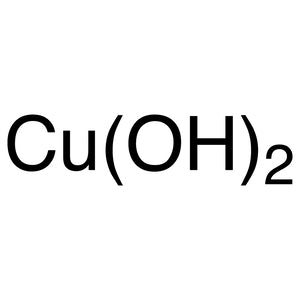
Copper(II) Hydroxide (Cu(OH)₂) is a solid chemical compound commonly used in various laboratory experiments. It plays a significant role in both qualitative and quantitative chemical analysis, particularly in identifying copper ions. Its chemical stability makes it a reliable material for use in different chemical processes. This compound is widely utilized in Indonesian laboratories for educational and research purposes, supporting both academic and industrial applications.
The properties of Copper(II) Hydroxide make it a preferred choice for many laboratory applications. It has a distinctive blue-green color and is amphoteric, meaning it can react with both acids and bases. This characteristic is essential for reactions requiring pH changes or redox processes. Its stability under certain conditions also ensures that it remains effective for extended periods, making it a practical choice for long-term storage and use.
In Indonesian laboratories, Copper(II) Hydroxide is a key component in chemical education and research. It is frequently used in high school and university chemistry courses to demonstrate chemical reactions and properties. Researchers also rely on it for experiments involving synthesis, redox reactions, and analytical chemistry. Its versatility and reliability make it an essential material in the laboratory setting.
TCI brochures (PDF)
- Metallic Salts 2025-11-06 · p. 9
- Transition Metal Catalysts 2026-04-10 · p. 15
- Redox Reactions: Copper(II) Hydroxide is used in redox experiments due to its ability to participate in electron transfer processes, making it ideal for studying oxidation-reduction mechanisms.
- Qualitative Analysis: It serves as a reagent for identifying copper ions in solution, providing a clear visual indicator through color changes during precipitation reactions.
- Synthesis of Complex Compounds: Its amphoteric nature allows it to act as a versatile reagent in the synthesis of coordination compounds and other metal complexes.
- pH Adjustment in Reactions: The compound's ability to react with both acids and bases makes it useful for controlling pH in chemical reactions, especially in buffer systems.
- Educational Demonstrations: It is commonly used in classroom settings to illustrate chemical properties, reactions, and the behavior of transition metals in different environments.
| Brand | TCI |
|---|---|
| CAS number | 20427-59-2 |
| Molecular formula | — |
| Purity | — |
| Category | Chemistry > Catalysis and Inorganic Chemistry > Transition Elements |
| Pack sizes | Available in various quantities as per supplier specifications |
| Physical form | Solid |
| Storage | Store in a cool, dry place away from moisture and direct sunlight |
Copper(II) Hydroxide should be stored in a cool, dry environment to maintain its chemical stability. It is recommended to keep it in airtight containers to prevent moisture absorption, which can lead to degradation. The compound is generally non-toxic but should be handled with care to avoid inhalation or contact with skin. In laboratory settings, it is advisable to use appropriate personal protective equipment such as gloves and safety goggles. Proper labeling of storage containers is essential for safe handling and to prevent accidental exposure. Regular inspection of storage conditions ensures that the material remains in optimal condition for use in experiments.
—
Produk Terkait
-
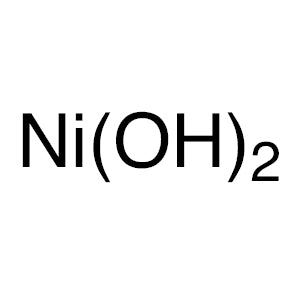
Nickel(II)Hydroxide TCI N1202
Regular price From Rp 664.650,00Regular price -
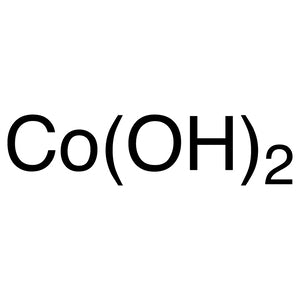
Cobalt(II)Hydroxide TCI C3824
Regular price Rp 1.988.700,00Regular price -
Copper(I)Acetate TCI A1540
Regular price From Rp 1.565.550,00Regular price -
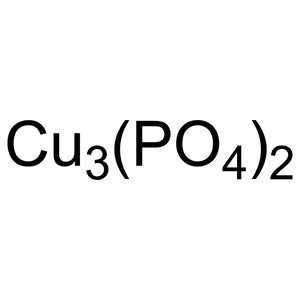
Copper(II)Phosphate TCI C4029
Regular price From Rp 1.246.350,00Regular price -
Copper(II)Oxide TCI C3849
Regular price Rp 610.050,00Regular price -
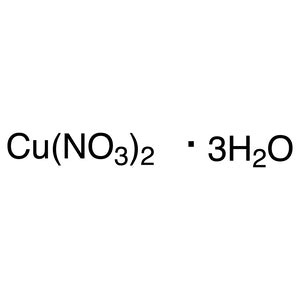
Copper(II)NitrateTrihydrate TCI C3775
Regular price From Rp 610.050,00Regular price -
Copper(II)Fluoride TCI C3762
Regular price From Rp 1.298.850,00Regular price -
Copper(I)Thiocyanate TCI C3417
Regular price From Rp 848.400,00Regular price