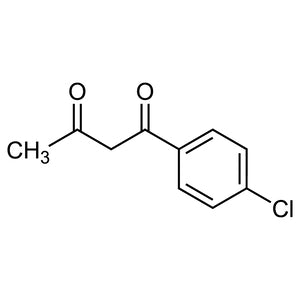
1-(4-Chlorophenyl)butane-1,3-dione is a chemical compound widely used in organic synthesis reactions within laboratory settings. It serves as a key building block in the development of various organic compounds, playing a crucial role in the creation of pharmaceuticals, materials, and chemical intermediates. Its unique molecular structure enables it to participate in multiple reaction types, including condensation and substitution, making it a versatile reagent for synthetic chemists. This compound is particularly valuable in the design of complex molecules due to its reactivity and compatibility with a range of functional groups.
The compound’s chemical properties make it a preferred choice for synthetic applications. It exhibits stability under controlled laboratory conditions, which simplifies handling and storage. Its ability to form stable intermediates during reactions enhances its utility in multi-step synthesis processes. Additionally, its reactivity allows it to undergo various chemical transformations, making it adaptable to different synthetic strategies. These characteristics make it an essential tool for researchers working in both academic and industrial settings.
In Indonesian laboratories, 1-(4-Chlorophenyl)butane-1,3-dione is commonly used in research and development projects. It supports the creation of new compounds and the testing of chemical hypotheses. Its availability ensures that scientists have access to a reliable source of this compound for their experiments. This makes it an important component in the chemical supply chain for Indonesian research institutions and laboratories.
TCI brochures (PDF)
- Ligands 2025-12-01 · p. 18
Related TCI products
- TCI M3497 4023-79-4 1-(p-Tolyl)butane-1,3-dione
- TCI B2935 1070-70-8 1,4-Bis(acryloyloxy)butane (stabilized with MEHQ)
- TCI B0684 4534-68-3 meso-Butane-1,2,3,4-tetracarboxylic Acid
- TCI M3139 760-93-0 Methacrylic Anhydride [stabilized with 1,1,3-Tris(3-tert-butyl-4-hydroxy-6-methylphenyl)butane]
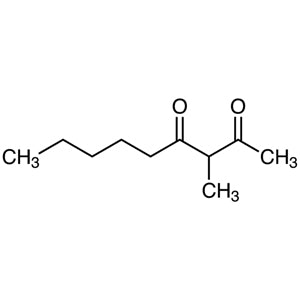
- TCI M3277 113486-29-6 3-Methylnonane-2,4-dione
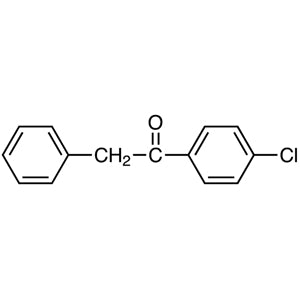
- TCI B4704 1889-71-0 Benzyl 4-Chlorophenyl Ketone
- Organic synthesis reactions benefit from this compound's reactivity and structural versatility, enabling the formation of complex molecules.
- Pharmaceutical research utilizes it as a building block for the development of new drug compounds and chemical intermediates.
- Material science applications leverage its chemical stability and reactivity to create advanced polymers and functional materials.
- Analytical chemistry experiments use it as a reference standard for spectroscopic and chromatographic analyses.
- Academic research projects incorporate it in teaching and experimental setups to demonstrate synthetic methodologies and chemical transformations.
| Brand | TCI |
|---|---|
| CAS number | 6302-55-2 |
| Molecular formula | — |
| Purity | — |
| Category | Chemistry > Building Blocks > Non-Heterocyclic Building Blocks |
| Pack sizes | Available in standard laboratory quantities |
| Physical form | Solid or liquid, depending on the specific product variant |
| Storage | Store in a cool, dry place away from direct sunlight and moisture |
This compound should be stored in a cool, dry environment to maintain its chemical stability. It is recommended to keep it in a tightly sealed container to prevent exposure to moisture and air. Due to its reactivity, it should be handled in a well-ventilated area, preferably under a fume hood, to minimize inhalation risks. Avoid contact with incompatible substances such as strong oxidizing agents. Proper personal protective equipment, including gloves and safety goggles, should be worn during handling. Regular monitoring of storage conditions ensures the compound remains in optimal condition for use in laboratory applications.
—
Produk Terkait
-
1-(p-Tolyl)butane-1,3-dione TCI M3497
Regular price Rp 5.619.600,00Regular price -
1,4-Bis(acryloyloxy)butane(stabilizedwithMEHQ) TCI B2935
Regular price Rp 637.350,00Regular price -
meso-Butane-1,2,3,4-tetracarboxylicAcid TCI B0684
Regular price From Rp 717.150,00Regular price -
MethacrylicAnhydride[stabilizedwith1,1,3-Tris(3-tert-butyl-4-hydroxy-6-methylphenyl)butane] TCI M3139
Regular price From Rp 1.193.850,00Regular price -
3-Methylnonane-2,4-dione TCI M3277
Regular price From Rp 2.279.550,00Regular price -
Benzyl4-ChlorophenylKetone TCI B4704
Regular price From Rp 848.400,00Regular price -
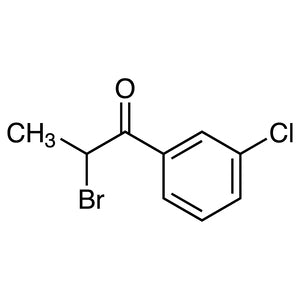
2-Bromo-1-(3-chlorophenyl)propan-1-one TCI B2932
Regular price From Rp 1.881.600,00Regular price -
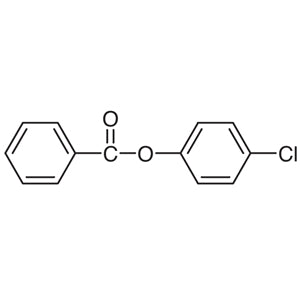
4-ChlorophenylBenzoate TCI B0063
Regular price Rp 2.174.550,00Regular price


![760-93-0 Methacrylic Anhydride [stabilized with 1,1,3-Tris(3-tert-butyl-4-hydroxy-6-methylphenyl)butane] - AMI Scientific](http://amiscientific.com/cdn/shop/files/TCI2510M3139.jpg?v=1767127793&width=533)