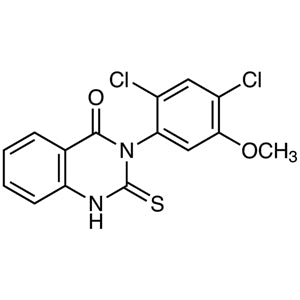
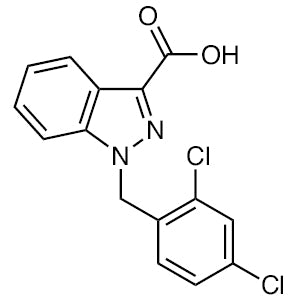
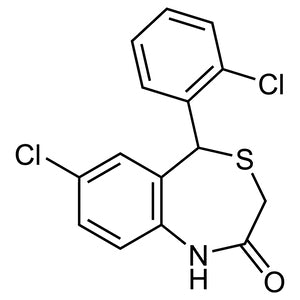
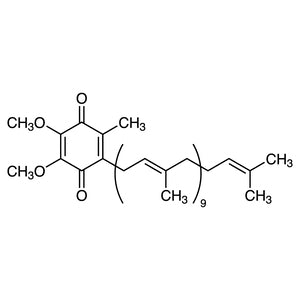
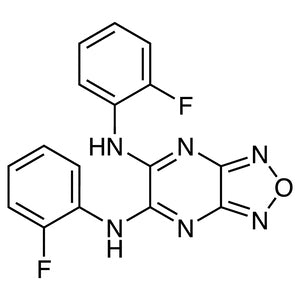
TCI C4054 68003-38-3 CTPI-2 is a chemical compound widely used in mitochondrial research within life science laboratories. It plays a crucial role in studying cellular metabolism and mitochondrial function, offering researchers insights into the mechanisms of mitochondrial activation and cellular responses to oxidative stress. This compound is essential for understanding the complex interactions between mitochondria and various physiological processes, making it a valuable tool in both basic and applied research. Its application spans across multiple disciplines, including biochemistry, pharmacology, and molecular biology, where mitochondrial health is a key factor in disease progression and treatment.
The chemical properties of CTPI-2 make it a preferred choice for laboratory use. It exhibits stability under specific conditions, which simplifies storage and handling, ensuring consistent performance in experiments. Its solubility in organic solvents allows for easy dissolution and integration into various experimental protocols. These characteristics contribute to its reliability and reproducibility, making it a trusted reagent for researchers aiming for high-quality results. The compound’s consistent behavior across different experimental setups further enhances its utility in both routine and advanced research applications.
In Indonesian laboratories, CTPI-2 is commonly used in biomedical and biotechnology research. It is a staple in academic and research institutions, supporting studies on mitochondrial dysfunction in diseases such as diabetes and neurodegenerative disorders. Its widespread adoption reflects its importance in advancing scientific understanding and developing novel therapeutic approaches based on mitochondrial biology.
- Mitochondrial Function Analysis: CTPI-2 is ideal for assessing mitochondrial activity and enzyme function, providing critical data on cellular energy production and metabolic pathways.
- Oxidative Stress Research: Its role in studying cellular responses to oxidative stress makes it a key component in experiments examining antioxidant defense mechanisms and cellular damage.
- Diabetes and Neurodegenerative Disease Studies: Researchers use CTPI-2 to investigate mitochondrial involvement in disease progression, supporting the development of targeted therapies.
- Enzymatic Activity Assays: The compound is frequently employed in assays that measure mitochondrial enzyme activity, offering precise and reproducible results.
- Biomedical and Biotecnological Research: Its versatility supports a wide range of applications in both fundamental and applied research, enhancing scientific discovery and innovation.
| Brand | TCI |
|---|---|
| CAS number | 68003-38-3 |
| Molecular formula | — |
| Purity | — |
| Category | Life Science > Cell Biology > Mitochondria Research |
| Pack sizes | — |
| Physical form | — |
| Storage | Store in a cool, dry place away from light |
CTPI-2 should be stored in a cool, dry environment, away from direct sunlight and sources of heat. It is recommended to keep the compound in a sealed container to prevent exposure to moisture and air. While specific physical form and pack sizes are not provided, general laboratory precautions include handling with care to avoid contamination and ensuring proper ventilation when working with organic solvents. Researchers should follow standard safety protocols to maintain the integrity of the compound and ensure safe laboratory practices. Proper storage and handling are essential to preserve the chemical’s stability and effectiveness in experimental applications.
—
Produk Terkait
-
UK-5099 TCI U0146
Regular price Rp 4.823.700,00Regular price -
Mdivi-1 TCI M3108
Regular price From Rp 3.367.350,00Regular price -
Lonidamine TCI L0283
Regular price Rp 4.743.900,00Regular price -
3-HydroxyhexadecanoicAcid TCI H1854
Regular price Rp 2.650.200,00Regular price -
CGP37157 TCI C3956
Regular price From Rp 3.155.250,00Regular price -
CCCP TCI C2876
Regular price Rp 4.638.900,00Regular price -
CoenzymeQ10 TCI C1971
Regular price From Rp 955.500,00Regular price -
BAM15 TCI B6594
Regular price Rp 9.168.600,00Regular price