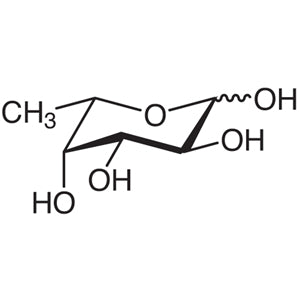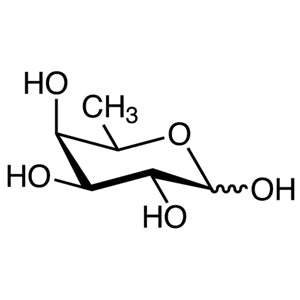
Fucose is a monosaccharide that plays a significant role in various fields of chemistry and biology. TCI D0049 3615-37-0 D-(+)-Fucose is a widely used form of fucose in laboratory research, particularly in chemical biology and glycoscience. This compound is essential for the synthesis of complex molecules such as glycoproteins and glycolipids, which are critical in biological systems. Its presence is vital in the formation of biological structures like the extracellular matrix and cell membrane components.
The unique chemical structure of fucose, with its symmetrically distributed hydroxyl groups, makes it highly suitable for reactions requiring high specificity. Its solubility in organic solvents such as ethanol and acetone facilitates its use in a wide range of experimental procedures. The availability of pure fucose ensures accurate and reliable results in research settings. This makes it an indispensable tool for scientists working in both basic and applied research.
In Indonesian laboratories, fucose is commonly used in studies related to molecular interactions, cellular processes, and the development of bioactive compounds. Its role in understanding biological functions and structural integrity has made it a key component in many research projects. Researchers rely on its consistent quality and well-defined properties to achieve reproducible outcomes in their experiments.
- Glycoprotein Synthesis: Fucose is essential for the synthesis of glycoproteins, which are crucial for cellular communication and immune responses.
- Glycolipid Research: It is used in the study of glycolipids, which are important components of cell membranes and signaling pathways.
- Extracellular Matrix Analysis: Fucose contributes to the study of extracellular matrix components, aiding in understanding tissue structure and function.
- Molecular Interaction Studies: Its unique structure allows for precise molecular interactions, making it ideal for studying biochemical processes.
- Bioactive Compound Development: Fucose is a key building block in the development of bioactive compounds with therapeutic potential.
| Brand | TCI |
|---|---|
| CAS number | 3615-37-0 |
| Molecular formula | — |
| Purity | — |
| Category | Chemistry > Chemical Biology > Glycoscience |
| Pack sizes | Available in various quantities as per standard laboratory supply |
| Physical form | White crystalline powder |
| Storage | Store in a cool, dry place away from light and moisture |
Fucose should be stored in a cool, dry place, away from direct light and moisture to maintain its chemical integrity. It is recommended to use airtight containers to prevent exposure to humidity and contaminants. Due to its hygroscopic nature, it is important to ensure that the storage environment is controlled to avoid degradation. Proper labeling of containers is essential for safe handling and to prevent cross-contamination. In laboratory settings, always use appropriate personal protective equipment when handling fucose to ensure safety and maintain the quality of the compound.
—
Produk Terkait
-
L-(-)-Fucose TCI F0065
Regular price From Rp 1.565.550,00Regular price -
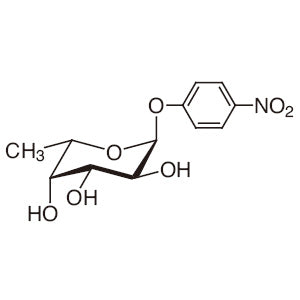
4-Nitrophenylalpha-L-Fucopyranoside TCI N0392
Regular price From Rp 1.565.550,00Regular price -
Lectin,Fucosespecific(=AOL)fromAspergillusoryzae(5mg/mL,PBSpH6.5) TCI L0169
Regular price Rp 10.044.300,00Regular price -
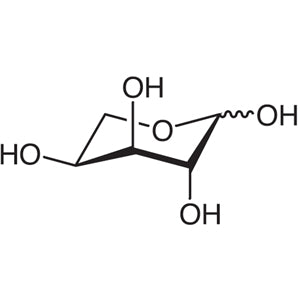
D-(-)-Arabinose TCI A0513
Regular price From Rp 1.140.300,00Regular price -
L-(+)-Arabinose TCI A0515
Regular price From Rp 1.115.100,00Regular price -
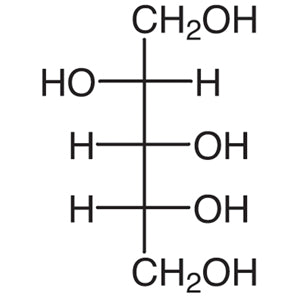
D-(+)-Arabitol TCI A0516
Regular price Rp 717.150,00Regular price -
L-(-)-Arabitol TCI A0518
Regular price From Rp 557.550,00Regular price -
N-Acetyl-D-glucosamine TCI A0092
Regular price From Rp 928.200,00Regular price