TCI L0169 Lectin, Fucose specific (AOL) from *Aspergillus oryzae* is a biological compound widely used in biochemical and molecular biology laboratories. This lectin is specifically designed to bind to fucose, a type of carbohydrate found on the surface of various cells. Its role in the laboratory is critical for identifying and isolating carbohydrate molecules, which are essential in understanding cellular interactions and molecular structures. This product is a key tool for researchers working in glycoscience, enabling precise and efficient separation of biological components such as proteins, lipids, and carbohydrates.
The lectin’s high specificity and affinity for fucose make it a preferred choice for a wide range of applications. Its ability to selectively bind to fucose ensures accurate results in experimental procedures, reducing the risk of cross-reactivity with other molecules. The product is supplied as a solution in PBS pH 6.5, which enhances its compatibility with various laboratory techniques. This formulation simplifies its use in methods like ELISA, Western blot, and protein-carbohydrate interaction studies, making it a versatile and reliable reagent for research purposes.
In Indonesian laboratories, TCI L0169 Lectin is commonly used in molecular biology, pharmacology, and medical research. It supports studies related to disease mechanisms, vaccine development, and carbohydrate analysis. Many research institutions and universities rely on this lectin for its consistent performance and reliability, ensuring reproducible results in complex experimental setups. Its availability and effectiveness make it an essential component in the toolkit of scientists working in glycoscience and related fields.
- Molecular biology research utilizes this lectin to study carbohydrate-protein interactions and cell surface recognition, offering precise binding capabilities for targeted analysis.
- Pharmacological studies benefit from its use in identifying glycan structures associated with drug targets, aiding in the development of therapeutic agents.
- Diagnostic applications leverage its specificity for fucose to detect and characterize carbohydrate markers in biological samples, supporting early disease detection.
- Immunological research employs this lectin to investigate immune cell interactions and glycan-based signaling pathways, enhancing understanding of immune responses.
- Biotechnology applications use it for isolating and characterizing fucose-containing compounds, supporting the development of bioactive molecules and therapeutic proteins.
| Brand | TCI |
|---|---|
| CAS number | — |
| Molecular formula | — |
| Purity | — |
| Category | Chemistry > Chemical Biology > Glycoscience |
| Pack sizes | 5 mg/mL |
| Physical form | Solution in PBS pH 6.5 |
| Storage | Store at 2–8°C, protected from light |
This lectin should be stored at a temperature range of 2–8°C to maintain its stability and activity. It is recommended to keep the product in a dark, cool place to prevent degradation due to light exposure. The solution should be stored in a tightly sealed container to avoid contamination and evaporation. When handling, it is important to use appropriate personal protective equipment, such as gloves and safety goggles, to ensure safety. The product is non-hazardous under normal laboratory conditions but should be treated with care to maintain its integrity. Proper storage and handling ensure consistent performance and reliable results in experimental applications.
—
Produk Terkait
-
TCI B5774 5,10-Bis(4,4,5,5-tetramethyl-1,3,2-dioxaborolan-2-yl)naphtho[1,2-c:5,6-c']bis([1,2,5]oxadiazole)
Regular price Rp 10.255.350,00Regular price -
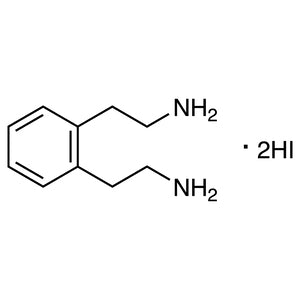
Dihydroiodide TCI B6569
Regular price From Rp 1.936.200,00Regular price -
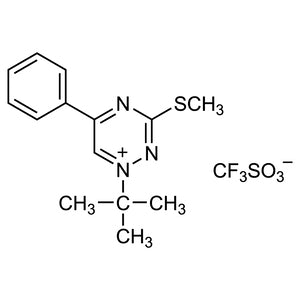
Trifluoromethanesulfonate TCI B7003
Regular price From Rp 1.936.200,00Regular price
![5,10-Bis(4,4,5,5-tetramethyl-1,3,2-dioxaborolan-2-yl)naphtho[1,2-c:5,6-c']bis([1,2,5]oxadiazole) - TCI B5774 - AMI Scientific](http://amiscientific.com/cdn/shop/files/TCI2510B5774.jpg?v=1769180228&width=533)