TCI R0235 rPSL1a-LecBeads [for Sia alpha(2-6)Gal] is a specialized reagent designed for use in chemical and molecular biology laboratories, particularly in glycoscience research. These beads are chemically modified to specifically bind to glycolipids or glycoproteins with the Sia alpha(2-6)Gal structure. This makes them an essential tool for researchers studying carbohydrate-based interactions and their biological significance. The beads are engineered to provide high specificity and sensitivity, enabling accurate detection and analysis of target molecules in complex biological samples.
The unique properties of TCI R0235 rPSL1a-LecBeads make them a preferred choice for advanced glycoscience applications. Their high affinity for specific glycan structures ensures reliable and reproducible results in various experimental setups. The beads are also compatible with a range of analytical techniques, including ELISA and flow cytometry, which enhances their versatility in laboratory workflows. Additionally, their consistent performance and ease of use contribute to their popularity among researchers working on complex glycan-related projects.
In Indonesian laboratories, TCI R0235 rPSL1a-LecBeads are commonly used in studies related to degenerative diseases, immunology, and pharmacology. Researchers from universities and research institutions rely on these beads to investigate cellular interactions and develop glycan-based therapies. The reagent's specificity and sensitivity make it an invaluable tool for precision-driven research in the field of glycoscience.
TCI brochures (PDF)
- Reagents for Biological Research 2025-03-11 · p. 14
Related TCI products
- TCI A3331 AOL-LecBeads [for Fuc alpha(1-6)/alpha(1-4)/alpha(1-3)/alpha(1-2)]
- TCI R0239 rGRFT-LecBeads [for Man alpha(1-2)Man]
- TCI R0237 rMOA-LecBeads [for Gal alpha(1-3)Gal]
- TCI R0238 rSRL-LecBeads [for GlcNAc beta(1-2)Man, Gal beta(1-3)GalNAc]
- TCI R0236 rLSL-N-LecBeads [for Gal beta(1-4)GlcNAc, poly LacNAc]
- TCI L0169 Lectin, Fucose specific (= AOL) from Aspergillus oryzae (5mg/mL, PBS pH6.5)
- Glycan Binding Assays – These beads are ideal for studying specific interactions between glycan structures and proteins, enabling precise quantification of binding affinities.
- ELISA Development – Their ability to selectively bind target glycoproteins makes them suitable for developing sensitive and specific ELISA kits.
- Flow Cytometry Analysis – The beads can be used to label and analyze cell surface glycans, providing insights into cellular heterogeneity and functional states.
- Cell-Cell Interaction Studies – Their specificity allows researchers to investigate how glycan structures influence intercellular communication and signaling pathways.
- Therapeutic Target Validation – These beads aid in identifying and validating glycan-based targets for drug development and therapeutic interventions.
| Brand | TCI |
|---|---|
| CAS number | — |
| Molecular formula | — |
| Purity | — |
| Category | Chemistry > Chemical Biology > Glycoscience |
| Pack sizes | — |
| Physical form | Beads |
| Storage | Store at 2–8°C in a dry place, away from light |
TCI R0235 rPSL1a-LecBeads should be stored at a temperature range of 2–8°C to maintain their structural integrity and binding efficiency. They should be kept in a dry environment and protected from direct sunlight to prevent degradation. Suitable containers for storage include airtight vials or sealed containers to minimize exposure to moisture and contaminants. When handling, it is important to wear appropriate personal protective equipment such as gloves and safety goggles to ensure laboratory safety. The beads should be used under aseptic conditions to avoid cross-contamination, especially in sensitive analytical applications. Regular inspection of storage conditions is recommended to ensure optimal performance and reliability in experimental settings.
—
Product Categories
- GlycoscienceApplications Using Glyco-materialsGlyco-functional Analysis [Applications Using Glyco-materials]
- GlycoscienceApplications Using Glyco-materialsGlyco-chemical Analysis [Applications Using Glyco-materials]
- GlycoscienceEnzyme, Lectin, Antibody [Glycoscience]Lectin [Glycoscience]
- Cell BiologyExosome ResearchExosome Research [Applications Using Glyco-materials]
Produk Terkait
-
AOL-LecBeads[forFucalpha(1-6)/alpha(1-4)/alpha(1-3)/alpha(1-2)] TCI A3331
Regular price Rp 13.063.050,00Regular priceRp 9.150.750,00Sale price Rp 13.063.050,00 -
rGRFT-LecBeads[forManalpha(1-2)Man] TCI R0239
Regular price Rp 10.890.600,00Regular priceRp 7.631.400,00Sale price Rp 10.890.600,00 -
rMOA-LecBeads[forGalalpha(1-3)Gal] TCI R0237
Regular price Rp 10.890.600,00Regular priceRp 7.631.400,00Sale price Rp 10.890.600,00 -
rSRL-LecBeads[forGlcNAcbeta(1-2)Man,Galbeta(1-3)GalNAc] TCI R0238
Regular price Rp 10.890.600,00Regular priceRp 7.631.400,00Sale price Rp 10.890.600,00 -
rLSL-N-LecBeads[forGalbeta(1-4)GlcNAc,polyLacNAc] TCI R0236
Regular price Rp 10.890.600,00Regular priceRp 7.631.400,00Sale price Rp 10.890.600,00 -
Lectin,Fucosespecific(=AOL)fromAspergillusoryzae(5mg/mL,PBSpH6.5) TCI L0169
Regular price Rp 10.096.800,00Regular priceRp 7.075.950,00Sale price Rp 10.096.800,00 -
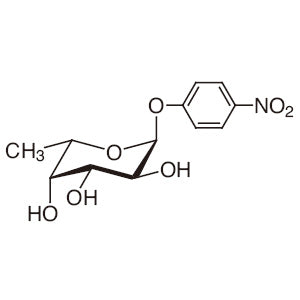
4-Nitrophenylalpha-L-Fucopyranoside TCI N0392
Regular price From Rp 1.618.050,00Regular priceRp 1.146.600,00Sale price From Rp 1.618.050,00 -
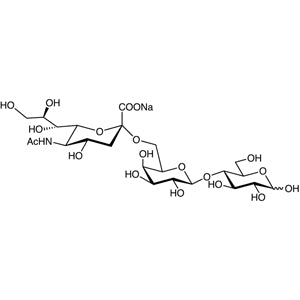
6'-SialyllactoseSodiumSalt TCI S0886
Regular price From Rp 5.485.200,00Regular priceRp 3.851.400,00Sale price From Rp 5.485.200,00