TCI R0237 rMOA-LecBeads [for Gal alpha(1-3)Gal] is a specialized chemical reagent used in glycoscience for the analysis and characterization of glycans. This material functions as a binding agent designed to identify and separate specific glycans, particularly Gal alpha(1-3)Gal, which is a relevant glycan structure in various biomedical research applications. In the laboratory, it plays a crucial role in procedures such as ELISA, immunochromatography, and glycan structural analysis, helping researchers understand the role of glycans in physiological and pathological processes.
The product is preferred due to its specific binding properties that allow selective attachment to target glycans, enhancing the accuracy and sensitivity of testing. Its stability under common laboratory conditions makes it versatile for use in multiple analytical methods. These characteristics ensure reliable and consistent results, making it a valuable tool for researchers requiring high precision in their work.
In Indonesian laboratories, this product is widely used by researchers in universities and research institutions to support studies in biomedical sciences, pharmacology, and immunology. Its availability ensures that local scientists can access high-quality reagents necessary for advanced glycan analysis and related research fields.
TCI brochures (PDF)
- Reagents for Biological Research 2025-03-11 · p. 14
Related TCI products
- TCI A3331 AOL-LecBeads [for Fuc alpha(1-6)/alpha(1-4)/alpha(1-3)/alpha(1-2)]
- TCI R0239 rGRFT-LecBeads [for Man alpha(1-2)Man]
- TCI R0235 rPSL1a-LecBeads [for Sia alpha(2-6)Gal]
- TCI R0238 rSRL-LecBeads [for GlcNAc beta(1-2)Man, Gal beta(1-3)GalNAc]
- TCI R0236 rLSL-N-LecBeads [for Gal beta(1-4)GlcNAc, poly LacNAc]
- TCI L0169 Lectin, Fucose specific (= AOL) from Aspergillus oryzae (5mg/mL, PBS pH6.5)
- ELISA assays benefit from the selective binding properties of rMOA-LecBeads, enabling precise detection of Gal alpha(1-3)Gal in complex biological samples.
- Immunochromatography utilizes the material for rapid and sensitive identification of target glycans in diagnostic and research settings.
- Glycan structural analysis relies on the reagent's ability to isolate specific glycan structures, aiding in the study of their biological functions.
- Biomedical research applications use the product to investigate the role of Gal alpha(1-3)Gal in disease mechanisms and immune responses.
- Pharmacological studies incorporate the reagent to assess glycan modifications in drug development and therapeutic applications.
| Brand | TCI |
|---|---|
| CAS number | — |
| Molecular formula | — |
| Purity | — |
| Category | Chemistry > Chemical Biology > Glycoscience |
| Pack sizes | — |
| Physical form | — |
| Storage | Store at 2–8°C |
This product should be stored at a temperature range of 2–8°C to maintain its stability and effectiveness. It is recommended to use airtight containers to prevent contamination and moisture exposure. In a laboratory setting, it should be handled with care to avoid any physical damage or exposure to incompatible substances. Proper labeling and storage conditions are essential to ensure the integrity of the material during use. Always follow standard laboratory safety protocols when handling and storing chemical reagents to maintain a safe and efficient working environment.
—
Product Categories
- GlycoscienceApplications Using Glyco-materialsGlyco-functional Analysis [Applications Using Glyco-materials]
- GlycoscienceApplications Using Glyco-materialsGlyco-chemical Analysis [Applications Using Glyco-materials]
- GlycoscienceEnzyme, Lectin, Antibody [Glycoscience]Lectin [Glycoscience]
- Cell BiologyExosome ResearchExosome Research [Applications Using Glyco-materials]
Produk Terkait
-
AOL-LecBeads[forFucalpha(1-6)/alpha(1-4)/alpha(1-3)/alpha(1-2)] TCI A3331
Regular price Rp 13.063.050,00Regular priceRp 9.150.750,00Sale price Rp 13.063.050,00 -
rGRFT-LecBeads[forManalpha(1-2)Man] TCI R0239
Regular price Rp 10.890.600,00Regular priceRp 7.631.400,00Sale price Rp 10.890.600,00 -
rPSL1a-LecBeads[forSiaalpha(2-6)Gal] TCI R0235
Regular price Rp 13.063.050,00Regular priceRp 9.150.750,00Sale price Rp 13.063.050,00 -
rSRL-LecBeads[forGlcNAcbeta(1-2)Man,Galbeta(1-3)GalNAc] TCI R0238
Regular price Rp 10.890.600,00Regular priceRp 7.631.400,00Sale price Rp 10.890.600,00 -
rLSL-N-LecBeads[forGalbeta(1-4)GlcNAc,polyLacNAc] TCI R0236
Regular price Rp 10.890.600,00Regular priceRp 7.631.400,00Sale price Rp 10.890.600,00 -
Lectin,Fucosespecific(=AOL)fromAspergillusoryzae(5mg/mL,PBSpH6.5) TCI L0169
Regular price Rp 10.096.800,00Regular priceRp 7.075.950,00Sale price Rp 10.096.800,00 -
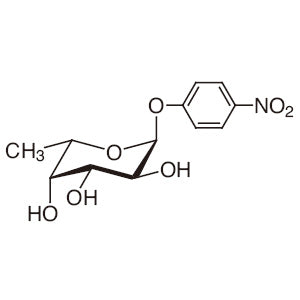
4-Nitrophenylalpha-L-Fucopyranoside TCI N0392
Regular price From Rp 1.618.050,00Regular priceRp 1.146.600,00Sale price From Rp 1.618.050,00 -
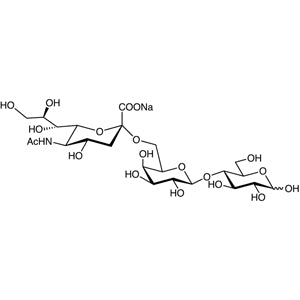
6'-SialyllactoseSodiumSalt TCI S0886
Regular price From Rp 5.485.200,00Regular priceRp 3.851.400,00Sale price From Rp 5.485.200,00