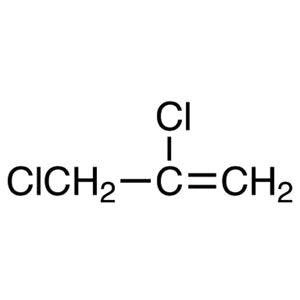
2,3-Dichloro-1-propene is a chemical compound widely used in organic synthesis to create complex organic molecules. It serves as a key building block in various chemical reactions, particularly in the development of longer carbon chains. Its simple molecular structure plays a crucial role in enabling the formation of more intricate chemical structures. In the laboratory, this compound is essential for both substitution and addition reactions, making it a versatile reagent in synthetic chemistry. Its utility extends to the synthesis of aromatic and heterocyclic compounds, where its reactivity and structural characteristics are highly valued.
The compound's chemical properties make it a preferred choice for controlled synthetic processes. It exhibits stability under specific conditions but remains reactive to environmental factors such as high temperature and humidity. This reactivity allows it to participate in a wide range of chemical transformations. The presence of chlorine atoms on two carbon positions imparts polarity, which influences its interactions with solvents and other reagents. These characteristics make it ideal for applications requiring precise control over reactivity and chemical behavior.
In Indonesian laboratories, 2,3-Dichloro-1-propene is commonly used in organic chemistry research, particularly in academic and research institutions. Its availability and chemical properties make it an essential component of chemical supplies in local laboratories. Researchers rely on this compound for its role in synthesizing complex organic compounds, supporting both educational and scientific advancements in the field.
Related TCI products
- TCI B2467 1458-98-6 3-Bromo-2-methyl-1-propene
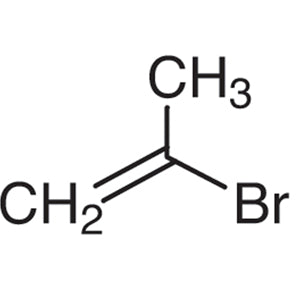
- TCI B1269 557-93-7 2-Bromo-1-propene
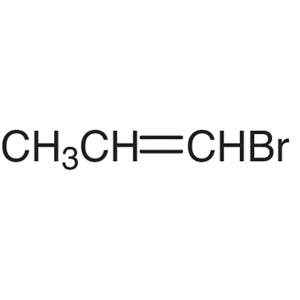
- TCI B1038 590-14-7 1-Bromo-1-propene (cis- and trans- mixture)
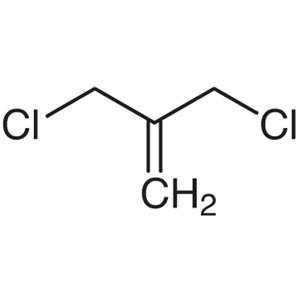
- TCI C1565 1871-57-4 3-Chloro-2-chloromethyl-1-propene
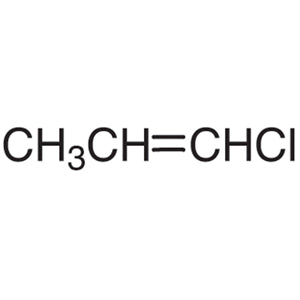
- TCI C0272 590-21-6 1-Chloro-1-propene (cis- and trans- mixture)
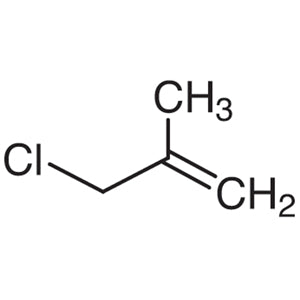
- TCI C0209 563-47-3 3-Chloro-2-methyl-1-propene (stabilized with Stearyl 3-(3,5-Di-tert-butyl-4-hydroxyphenyl)propionate)
- Organic synthesis is a key application where 2,3-Dichloro-1-propene is used to build complex molecular structures through substitution and addition reactions.
- Aromatic compound synthesis benefits from its reactivity and ability to form stable intermediates in the creation of aromatic rings.
- Heterocyclic compound synthesis relies on its structural versatility and reactivity for forming ring systems with diverse functionalities.
- Teaching laboratories use it to demonstrate chemical reactivity and synthetic techniques in undergraduate and graduate courses.
- Research institutions incorporate it into studies focused on chemical reactivity, reaction mechanisms, and synthetic pathways.
| Brand | TCI |
|---|---|
| CAS number | 78-88-6 |
| Molecular formula | — |
| Purity | — |
| Category | Chemistry > Building Blocks > Non-Heterocyclic Building Blocks |
| Pack sizes | Available in standard laboratory quantities |
| Physical form | Liquid |
| Storage | Store in a cool, dry place away from light and incompatible materials |
This compound should be stored in a cool, dry place, away from direct sunlight and sources of heat. It is recommended to use airtight containers made of materials compatible with its chemical properties, such as glass or high-density polyethylene. Due to its reactivity, it should be kept away from incompatible substances like strong oxidizing agents or moisture. In laboratory settings, proper ventilation and personal protective equipment should be used when handling. Regular monitoring of storage conditions is essential to maintain its stability and ensure safe handling. Always follow standard chemical safety protocols to minimize risks associated with its use and storage.
—
Produk Terkait
-
3-Bromo-2-methyl-1-propene TCI B2467
Regular price Rp 2.332.050,00Regular price -
2-Bromo-1-propene TCI B1269
Regular price Rp 2.386.650,00Regular price -
1-Bromo-1-propene(cis-andtrans-mixture) TCI B1038
Regular price From Rp 1.431.150,00Regular price -
3-Chloro-2-chloromethyl-1-propene TCI C1565
Regular price From Rp 2.174.550,00Regular price -
1-Chloro-1-propene(cis-andtrans-mixture) TCI C0272
Regular price Rp 4.743.900,00Regular price -
3-Chloro-2-methyl-1-propene(stabilizedwithStearyl3-(3,5-Di-tert-butyl-4-hydroxyphenyl)propionate) TCI C0209
Regular price From Rp 505.050,00Regular price -
2,5-Dichloro-2,5-dimethylhexane TCI D6125
Regular price From Rp 848.400,00Regular price -
1,4-Dichloro-2-butyne TCI D1528
Regular price From Rp 1.008.000,00Regular price