TCI D0409 Sodium 2,2-Dichloropropionate is the sodium salt of 2,2-dichloropropionic acid. In agricultural literature it is known as the salt form of the herbicide dalapon. In the laboratory it serves as a small non-heterocyclic building block with two chlorine atoms on the alpha carbon of the carboxylate group. It is also widely used as a reference compound in herbicide research, pesticide residue analysis, and studies on how microorganisms biodegrade organochlorine compounds.
Because it is a sodium salt, this compound dissolves in water more readily than its free acid form. That makes aqueous solutions easier to prepare for biological assays, microbial cultures, and environmental analysis. The structure is simple, but it carries two chlorine atoms on a single carbon (a gem-dichloro arrangement), which makes it useful for studying both enzymatic and chemical dehalogenation. For analysts, the documented purity and identity that come with TCI material help when preparing standard solutions that must hold up to scrutiny. Researchers can rely on consistent material from one experiment to the next.
Indonesia has a very large agriculture and plantation sector. Pesticide residue testing laboratories, crop research institutes, and university programs in agrotechnology or environmental science all need reliable reference compounds such as this one. Typical users include analytical laboratories that monitor herbicide residues in soil, water, and crops, microbiology groups that screen local bacterial isolates for dehalogenase activity, and academic research teams working on organochlorine fate and remediation in tropical environments.
- Herbicide research: as the sodium salt form of dalapon, it is a suitable reference material for studies of herbicide activity, behaviour, and fate in plants and soil.
- Pesticide residue analysis: the documented identity and purity from TCI support the preparation of traceable standard solutions for checking residues in environmental and agricultural samples.
- Microbial biodegradation studies: its good water solubility allows easy dosing into microbial cultures to study how microorganisms break down organochlorine compounds.
- Enzymatic and chemical dehalogenation research: the gem-dichloro group on the alpha carbon gives a simple, well-defined substrate for studying how carbon–chlorine bonds are cleaved.
- Organic synthesis building block: as a small non-heterocyclic building block with a carboxylate and two alpha chlorines, it can be used as a starting material for chlorinated derivatives.
| Brand | TCI (product code D0409) |
|---|---|
| CAS number | 127-20-8 |
| Molecular formula | — |
| Purity | — |
| Category | Chemistry > Building Blocks > Non-Heterocyclic Building Blocks |
| Pack sizes | please refer to the pack options available on this product page |
| Physical form | sodium salt; see the TCI documentation for the exact appearance |
| Storage | keep tightly closed in a dry place, following the TCI label and SDS |
Store Sodium 2,2-Dichloropropionate in its original, tightly sealed container in a cool, dry, well-ventilated area, away from moisture and incompatible materials. Follow the storage conditions on the TCI label and Safety Data Sheet. Once opened, close the container promptly so the salt does not absorb humidity. Label aqueous standard solutions clearly with the concentration and preparation date. Wear gloves, safety glasses, and a lab coat when handling the material. Avoid creating dust and do not inhale it. Weigh the material in a fume hood or ventilated enclosure. Dispose of waste as chlorinated organic waste according to local regulations.
—
Produk Terkait
-
Methyl2,3-Dichloropropionate TCI D0408
Regular price Rp 955.500,00Regular priceRp 683.550,00Sale price Rp 955.500,00 -
2',4'-Dichloropropiophenone TCI D3937
Regular price Rp 1.590.750,00Regular priceRp 1.127.700,00Sale price Rp 1.590.750,00 -
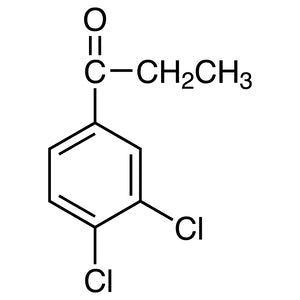
3',4'-Dichloropropiophenone TCI D3365
Regular price From Rp 2.068.500,00Regular priceRp 1.461.600,00Sale price From Rp 2.068.500,00 -
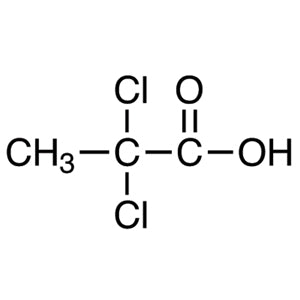
2,2-DichloropropionicAcid TCI D1334
Regular price Rp 1.458.450,00Regular priceRp 1.035.300,00Sale price Rp 1.458.450,00 -
2,3-DichloropropionicAcid TCI D0407
Regular price From Rp 1.033.200,00Regular priceRp 738.150,00Sale price From Rp 1.033.200,00 -
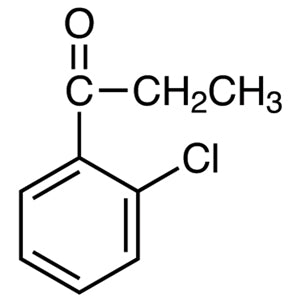
2'-Chloropropiophenone TCI C3323
Regular price Rp 2.199.750,00Regular priceRp 1.554.000,00Sale price Rp 2.199.750,00 -
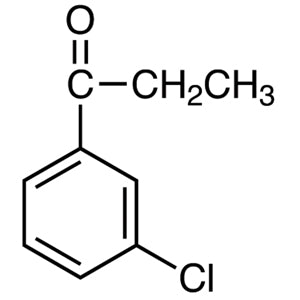
3'-Chloropropiophenone TCI C2033
Regular price From Rp 1.008.000,00Regular priceRp 720.300,00Sale price From Rp 1.008.000,00 -
2-Chloropropiophenone TCI C1647
Regular price From Rp 1.670.550,00Regular priceRp 1.167.600,00Sale price From Rp 1.670.550,00