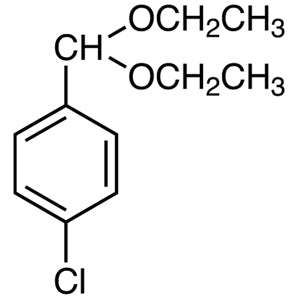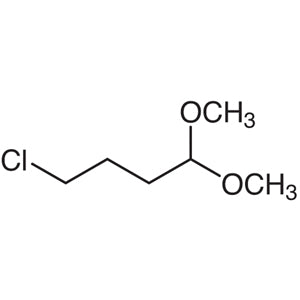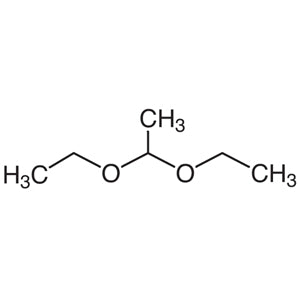
Acetal (105-57-7) is a chemical compound widely used in various organic reactions within laboratory settings. As a fundamental building block in chemistry, it plays a crucial role in the synthesis of complex molecules, particularly in reactions involving carbon-carbon bond formation. Its versatility makes it an essential component in both basic and advanced chemical experiments. Due to its structural stability and reactivity, acetal is frequently utilized in different synthetic pathways, contributing to the development of new compounds and materials.
The properties of acetal that make it a preferred choice include its ability to form stable cyclic structures and its high reactivity under various reaction conditions. These characteristics allow it to participate effectively in substitution, addition, and bond-forming reactions. Its chemical stability ensures that it remains a reliable reagent across multiple experimental setups. Additionally, acetal’s compatibility with a wide range of reagents enhances its utility in diverse chemical processes, making it a go-to material for chemists.
In Indonesian laboratories, acetal is commonly used in both educational and research contexts. It is a staple in undergraduate chemistry courses and is also employed in more advanced research projects. Its reliability and broad application range have made it an indispensable material for chemical synthesis and analysis in the Indonesian scientific community.
- Organic synthesis: Acetal is widely used in organic synthesis due to its ability to form stable cyclic structures and participate in various reaction mechanisms.
- Structural analysis: Its reactivity and stability make it suitable for use in structural analysis experiments, aiding in the identification of molecular configurations.
- Purification processes: Acetal is often used as a reagent in purification techniques due to its compatibility with different solvents and reagents.
- Teaching demonstrations: Its role in basic chemical reactions makes it ideal for educational purposes, helping students understand reaction mechanisms.
- Research development: Acetal is frequently used in research settings to develop new compounds and materials through synthetic pathways.
| Brand | TCI |
|---|---|
| CAS number | 105-57-7 |
| Molecular formula | — |
| Purity | — |
| Category | Chemistry > Building Blocks > Non-Heterocyclic Building Blocks |
| Pack sizes | Available in various quantities as per supplier specifications |
| Physical form | Solid |
| Storage | Store in a cool, dry place away from direct sunlight |
Acetal should be stored in a cool, dry environment to maintain its chemical stability. It is recommended to keep it in a sealed container to prevent exposure to moisture and air, which could affect its reactivity. Due to its chemical nature, it should be handled with appropriate personal protective equipment, such as gloves and safety goggles. Avoid contact with incompatible substances to ensure safe laboratory practices. Proper labeling of storage containers is essential for safe handling and easy identification. Regular monitoring of storage conditions ensures that the material remains in optimal condition for use in laboratory experiments.
—
Produk Terkait
-
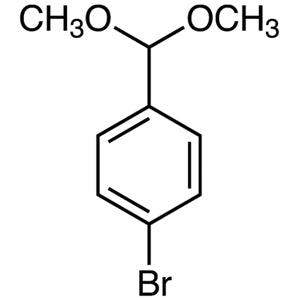
4-BromobenzaldehydeDimethylAcetal TCI B5819
Regular price From Rp 1.167.600,00Regular price -
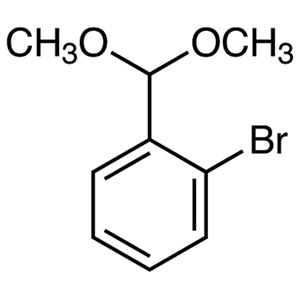
2-BromobenzaldehydeDimethylAcetal TCI B5827
Regular price Rp 1.326.150,00Regular price -
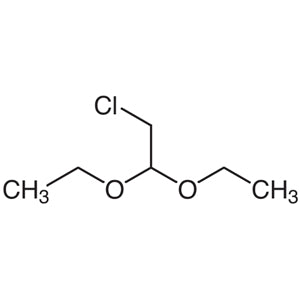
ChloroacetaldehydeDiethylAcetal TCI C0084
Regular price Rp 1.167.600,00Regular price -
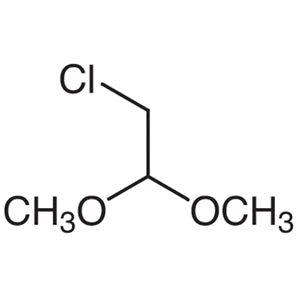
DimethylChloroacetal TCI C0085
Regular price From Rp 743.400,00Regular price -
4-ChlorobenzaldehydeDiethylAcetal TCI C2044
Regular price Rp 2.837.100,00Regular price -
4-ChlorobutyraldehydeDimethylAcetal TCI C2179
Regular price From Rp 1.565.550,00Regular price -
3-ChloropropionaldehydeDimethylAcetal TCI C2458
Regular price From Rp 2.016.000,00Regular price -
4-ChlorobutyraldehydeDiethylAcetal TCI C2717
Regular price From Rp 1.008.000,00Regular price