1,2-Dimethoxybenzene is an organic chemical compound widely used in laboratory settings for its versatility in chemical reactions. This compound, with its aromatic ring structure and two methoxy groups attached at positions 1 and 2, serves as a fundamental building block in synthetic chemistry. It is commonly employed in the preparation of more complex molecules, including phenolic derivatives and heterocyclic compounds. Its role in laboratory processes is essential for researchers aiming to develop new chemical structures and materials.
The compound is valued for its favorable solubility in organic solvents such as ethyl acetate and ethanol, which makes it easy to handle in various synthetic procedures. Its chemical stability under normal conditions also contributes to its reliability in laboratory applications. Additionally, its predictable boiling and melting points aid in purification and separation techniques. These properties make it a preferred choice for chemists working in both academic and industrial research environments.
In Indonesian laboratories, 1,2-Dimethoxybenzene is frequently used in organic chemistry research, pharmaceutical synthesis, and industrial chemical development. It is a key reagent in the creation of bioactive compounds and functional materials. Its availability and consistent performance make it a staple in the chemical supply chain for laboratories across Indonesia, supporting a wide range of scientific investigations and innovations.
Related TCI products
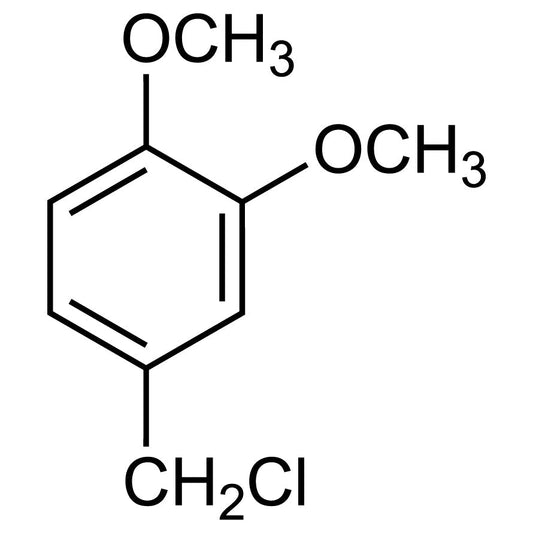
- TCI V0211 7306-46-9 4-(Chloromethyl)-1,2-dimethoxybenzene
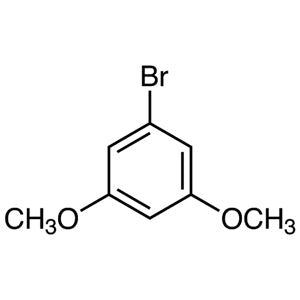
- TCI B3848 20469-65-2 1-Bromo-3,5-dimethoxybenzene
- TCI B3488 16932-45-9 2-Bromo-1,3-dimethoxybenzene
- TCI B2649 1379163-23-1 2,6-Bis(chloromethyl)-1,4-dimethoxybenzene
- TCI B2618 78840-04-7 2,6-Bis(hydroxymethyl)-1,4-dimethoxybenzene
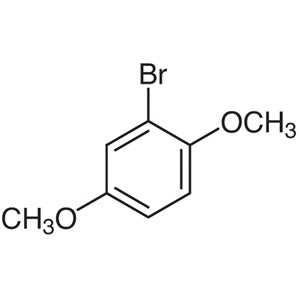
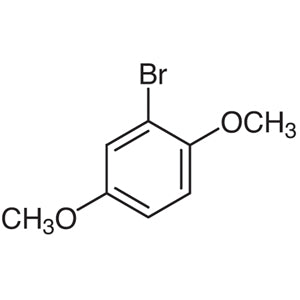
- TCI B1979 25245-34-5 1-Bromo-2,5-dimethoxybenzene
- Organic synthesis is enhanced by 1,2-Dimethoxybenzene due to its reactivity in electrophilic substitution and condensation reactions, making it ideal for creating complex molecular structures.
- Pharmaceutical research benefits from its use in the synthesis of bioactive compounds, as it serves as a versatile intermediate in drug development processes.
- Industrial chemical development relies on this compound for the production of specialty chemicals and functional materials due to its stability and solubility properties.
- Analytical chemistry applications often use it as a reference standard for chromatographic and spectroscopic analyses due to its well-defined physical and chemical properties.
- Environmental studies may incorporate it in the analysis of organic pollutants, as it is a common component in environmental samples and can be used for comparative studies.
| Brand | TCI |
|---|---|
| CAS number | 91-16-7 |
| Molecular formula | — |
| Purity | — |
| Category | Chemistry > Building Blocks > Non-Heterocyclic Building Blocks |
| Pack sizes | Available in various quantities as per standard laboratory supply practices |
| Physical form | Liquid |
| Storage | Store in a cool, dry place away from direct sunlight and incompatible materials |
1,2-Dimethoxybenzene should be stored in a cool, dry environment, away from direct sunlight and sources of heat. It is recommended to keep the compound in a sealed container made of glass or high-density polyethylene to prevent evaporation and contamination. Due to its moderate reactivity, it should be handled with care, using appropriate personal protective equipment such as gloves and safety goggles. It is important to ensure good ventilation when working with this compound to minimize exposure. Avoid contact with incompatible substances such as strong oxidizing agents. Regular monitoring of storage conditions is advised to maintain the integrity and safety of the material in the laboratory setting.
—
Produk Terkait
-
4-(Chloromethyl)-1,2-dimethoxybenzene TCI V0211
Regular price Rp 2.359.350,00Regular price -
1-Bromo-3,5-dimethoxybenzene TCI B3848
Regular price From Rp 795.900,00Regular price -
2-Bromo-1,3-dimethoxybenzene TCI B3488
Regular price From Rp 823.200,00Regular price -
2,6-Bis(chloromethyl)-1,4-dimethoxybenzene TCI B2649
Regular price Rp 3.075.450,00Regular price -
2,6-Bis(hydroxymethyl)-1,4-dimethoxybenzene TCI B2618
Regular price Rp 2.837.100,00Regular price -
1-Bromo-2,5-dimethoxybenzene TCI B1979
Regular price From Rp 2.439.150,00Regular price -
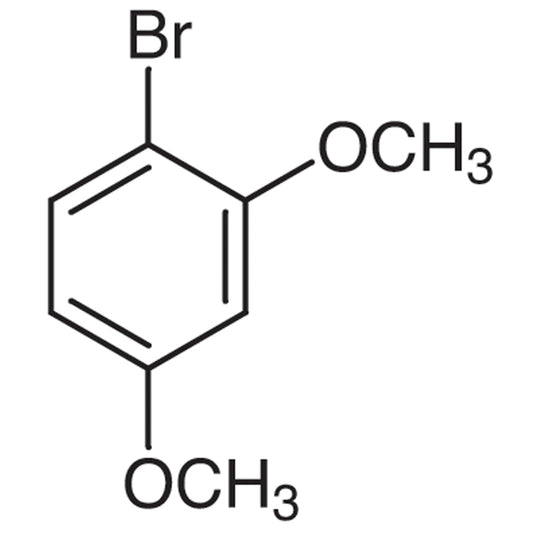
1-Bromo-2,4-dimethoxybenzene TCI B1481
Regular price Rp 717.150,00Regular price -
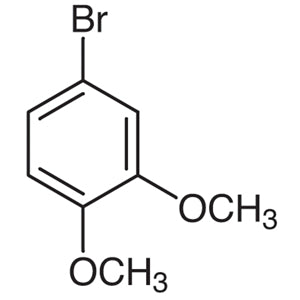
4-Bromo-1,2-dimethoxybenzene TCI B1021
Regular price Rp 1.856.400,00Regular price