1,3-Dimethoxybenzene is a chemical compound widely used as a foundational material in various laboratory reactions. It belongs to the category of non-heterocyclic building blocks and is commonly utilized in organic chemistry for its versatile reactivity. This compound features an aromatic benzene ring with two methoxy groups attached at positions 1 and 3, making it a valuable intermediate in synthetic pathways. Its structural simplicity and predictable behavior make it a go-to reagent for researchers aiming to create more complex molecules.
The compound is known for its stability under specific reaction conditions and its ability to participate in multiple types of chemical reactions, including electrophilic substitution, reduction, and coupling reactions. These properties make it a reliable choice for both academic and industrial applications. Its relatively stable boiling and melting points further contribute to its ease of handling and storage, ensuring consistent performance in laboratory settings.
In Indonesian laboratories, 1,3-Dimethoxybenzene is frequently used in organic chemistry research, particularly in pharmacology and the synthesis of complex compounds. It serves as a key reagent in the development of pharmaceuticals and industrial chemicals. Its role in supporting scientific innovation is vital, especially in research environments where precision and reliability are paramount.
Related TCI products
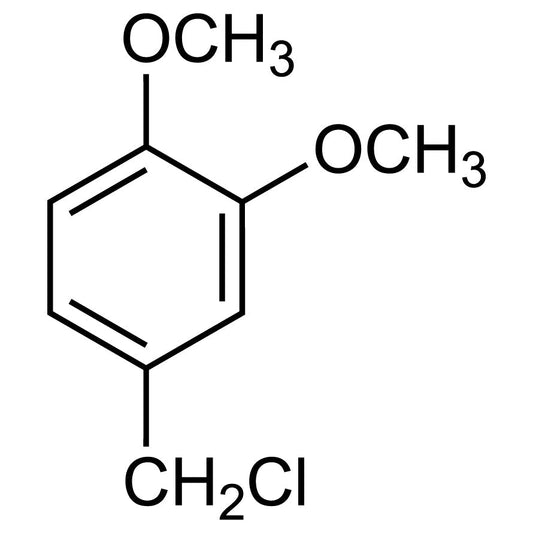
- TCI V0211 7306-46-9 4-(Chloromethyl)-1,2-dimethoxybenzene
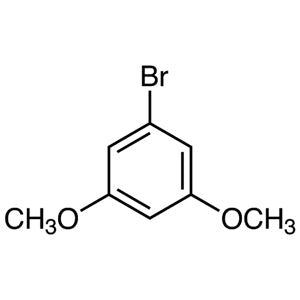
- TCI B3848 20469-65-2 1-Bromo-3,5-dimethoxybenzene
- TCI B3488 16932-45-9 2-Bromo-1,3-dimethoxybenzene
- TCI B2649 1379163-23-1 2,6-Bis(chloromethyl)-1,4-dimethoxybenzene
- TCI B2618 78840-04-7 2,6-Bis(hydroxymethyl)-1,4-dimethoxybenzene
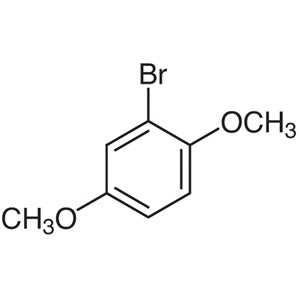
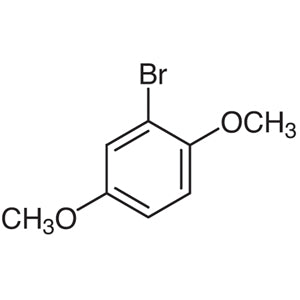
- TCI B1979 25245-34-5 1-Bromo-2,5-dimethoxybenzene
- Organic synthesis applications benefit from 1,3-Dimethoxybenzene due to its predictable reactivity and structural versatility, enabling the creation of complex molecules with high efficiency.
- Pharmaceutical research utilizes this compound as a building block for drug development, allowing for the modification of molecular structures to enhance therapeutic properties.
- Industrial chemical production relies on 1,3-Dimethoxybenzene as a precursor for the synthesis of various chemical intermediates used in manufacturing processes.
- Food additive development incorporates this compound in the formulation of flavoring agents and stabilizers, contributing to the quality and safety of food products.
- Analytical chemistry applications use 1,3-Dimethoxybenzene as a standard reference compound for calibrating instruments and conducting reactivity studies.
| Brand | TCI |
|---|---|
| CAS number | 151-10-0 |
| Molecular formula | — |
| Purity | — |
| Category | Chemistry > Building Blocks > Non-Heterocyclic Building Blocks |
| Pack sizes | Available in various quantities as per standard laboratory supply requirements |
| Physical form | Liquid |
| Storage | Store in a cool, dry place away from direct sunlight and incompatible materials |
1,3-Dimethoxybenzene should be stored in a cool, dry place, away from direct sunlight and sources of heat. It is recommended to use airtight containers made of materials that are chemically inert, such as glass or high-density polyethylene, to prevent contamination and evaporation. Due to its chemical nature, it should be kept away from strong oxidizing agents and incompatible substances to avoid potential reactions. In laboratory settings, proper ventilation is essential when handling this compound to ensure safe working conditions. Always follow standard safety protocols, including the use of personal protective equipment, to minimize exposure and ensure safe handling practices.
—
Produk Terkait
-
4-(Chloromethyl)-1,2-dimethoxybenzene TCI V0211
Regular price Rp 2.359.350,00Regular price -
1-Bromo-3,5-dimethoxybenzene TCI B3848
Regular price From Rp 795.900,00Regular price -
2-Bromo-1,3-dimethoxybenzene TCI B3488
Regular price From Rp 823.200,00Regular price -
2,6-Bis(chloromethyl)-1,4-dimethoxybenzene TCI B2649
Regular price Rp 3.075.450,00Regular price -
2,6-Bis(hydroxymethyl)-1,4-dimethoxybenzene TCI B2618
Regular price Rp 2.837.100,00Regular price -
1-Bromo-2,5-dimethoxybenzene TCI B1979
Regular price From Rp 2.439.150,00Regular price -
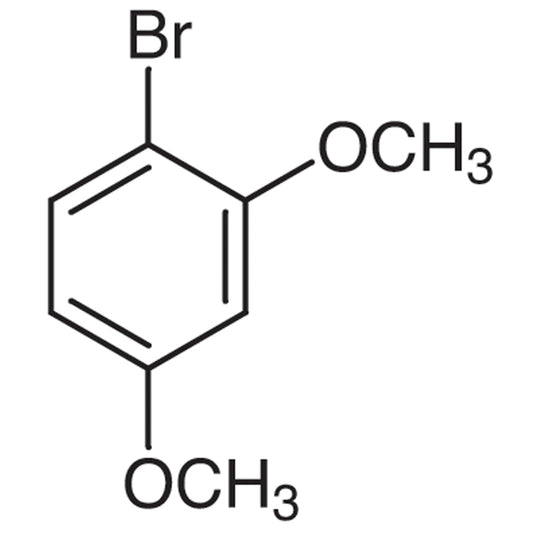
1-Bromo-2,4-dimethoxybenzene TCI B1481
Regular price Rp 717.150,00Regular price -
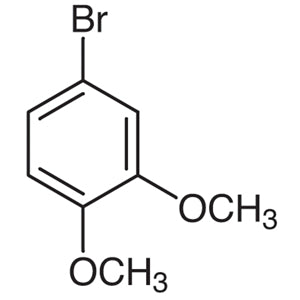
4-Bromo-1,2-dimethoxybenzene TCI B1021
Regular price Rp 1.856.400,00Regular price