TCI D0668 2,5-Dimethylaniline, also known as 2,5-xylidine, is a primary aromatic amine with two methyl groups at positions 2 and 5 of the benzene ring. It belongs to the non-heterocyclic building blocks and is an important compound in synthetic chemistry. It has long served as an intermediate in the manufacture of azo dyes, pigments and a range of nitrogen-containing organic compounds. In the laboratory, it also serves as a reference compound for the analysis of aromatic amines in environmental samples and industrial products.
Its primary amino group can be diazotized and then coupled, or acylated, alkylated, or used in reactions that form heterocycles, which makes the compound highly versatile. The two methyl groups change the electronic and steric environment around the amino group. As a result, its products behave differently from those of plain aniline or the other xylidine isomers. These differences between isomers also make 2,5-dimethylaniline a useful comparison material when developing chromatographic separation methods, where analysts need to resolve closely related aromatic amines reliably.
In Indonesia, this compound is relevant to organic chemistry laboratories at universities, where it supports synthesis teaching and research on aromatic amine reactions. It is also relevant to dye development laboratories that serve the large textile industry in West Java and Central Java, where azo dye intermediates are part of routine formulation work. Analytical laboratories that test for aromatic amines in environmental and industrial samples can also use it as a reference compound in their method work.
Related TCI products
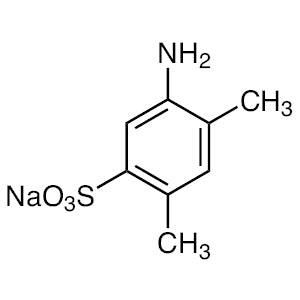
- TCI X0030 64501-84-4 2,4-Dimethylaniline-5-sulfonic Acid Sodium Salt
- TCI B3243 698-00-0 2-Bromo-N,N-dimethylaniline
- TCI B1908 41825-73-4 2-Bromo-4,6-dimethylaniline
- TCI B0585 586-77-6 4-Bromo-N,N-dimethylaniline
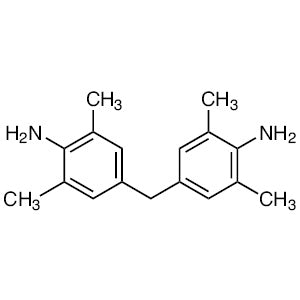
- TCI M3403 4073-98-7 4,4'-Methylenebis(2,6-dimethylaniline)
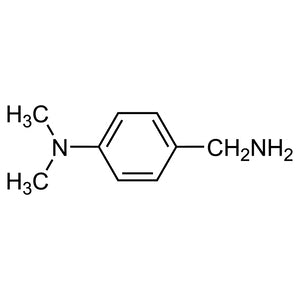
- TCI D6503 19293-58-4 4-(Aminomethyl)-N,N-dimethylaniline
- Azo dye and pigment synthesis: its primary amino group can be diazotized and then coupled, so it works as a classic intermediate for preparing azo colorants and related pigments.
- Synthesis of nitrogen-containing organic compounds: acylation and alkylation of the amino group give access to a wide range of substituted aniline derivatives for research and teaching laboratories.
- Heterocycle formation: the amino group can take part in ring-forming reactions, which lets chemists build heterocyclic frameworks from a simple non-heterocyclic starting material.
- Reference compound for aromatic amine analysis: it serves as a comparison standard when identifying and quantifying aromatic amines in environmental samples and industrial products.
- Chromatographic method development: because its behavior differs from the other xylidine isomers, it is a useful test compound for developing and validating separations of closely related amines.
| Brand | TCI (product code D0668) |
|---|---|
| CAS number | 95-78-3 |
| Molecular formula | — |
| Purity | — |
| Category | Chemistry > Building Blocks > Non-Heterocyclic Building Blocks |
| Pack sizes | as listed on the product page; contact AMI Scientific for current options |
| Physical form | — |
| Storage | follow the conditions on the TCI label and Safety Data Sheet |
- Synonym: 2,5-Xylidine
Store 2,5-Dimethylaniline in its original, tightly closed container in a cool, dry and well-ventilated area. Keep it away from heat, direct light and incompatible substances such as strong oxidizing agents and acids. Like other aromatic amines, it should be handled with care. Wear chemical-resistant gloves, safety glasses and a laboratory coat, and work in a fume hood to avoid inhaling vapors or getting the compound on your skin. Label any opened or transferred portions clearly and keep containers closed when not in use. Always read the TCI Safety Data Sheet before use, and dispose of waste according to local regulations and your institution's procedures for hazardous chemicals.
—
Produk Terkait
-
2,4-Dimethylaniline-5-sulfonicAcidSodiumSalt TCI X0030
Regular price Rp 4.268.250,00Regular priceRp 2.984.100,00Sale price Rp 4.268.250,00 -
2-Bromo-N,N-dimethylaniline TCI B3243
Regular price From Rp 928.200,00Regular priceRp 648.900,00Sale price From Rp 928.200,00 -
2-Bromo-4,6-dimethylaniline TCI B1908
Regular price From Rp 1.273.650,00Regular priceRp 890.400,00Sale price From Rp 1.273.650,00 -
4-Bromo-N,N-dimethylaniline TCI B0585
Regular price From Rp 823.200,00Regular priceRp 575.400,00Sale price From Rp 823.200,00 -
4,4'-Methylenebis(2,6-dimethylaniline) TCI M3403
Regular price From Rp 2.411.850,00Regular priceRp 1.702.050,00Sale price From Rp 2.411.850,00 -
4-(Aminomethyl)-N,N-dimethylaniline TCI D6503
Regular price From Rp 2.121.000,00Regular priceRp 1.498.350,00Sale price From Rp 2.121.000,00 -
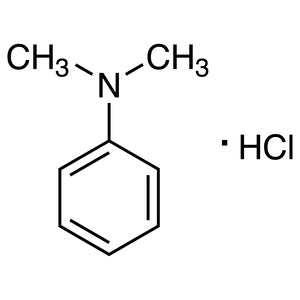
N,N-DimethylanilineHydrochloride TCI D6371
Regular price Rp 1.565.550,00Regular priceRp 1.094.100,00Sale price Rp 1.565.550,00 -
N,N-Dimethylaniline[forBiochemicalResearch] TCI D3866
Regular price From Rp 505.050,00Regular priceRp 352.800,00Sale price From Rp 505.050,00