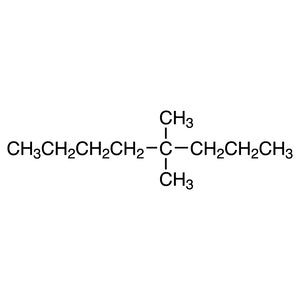
4,4-Dimethyloctane is an organic compound widely used in chemical experiments, particularly in the synthesis of complex molecules. As a non-heterocyclic building block, it serves as a fundamental component in the development of more intricate chemical structures. Its molecular structure is stable and non-reactive, making it ideal for laboratory applications where chemical inertness is essential. This compound is commonly used as a reagent or auxiliary material in chemical reactions, supporting the creation of new compounds with specific functional groups or molecular frameworks.
The stability and inertness of 4,4-Dimethyloctane make it a preferred choice in laboratory settings. It does not readily decompose or react with other substances under normal laboratory conditions, ensuring consistent performance in various experimental processes. Its well-defined physical properties, including a stable boiling point and melting point, allow for precise control during heating and cooling procedures. These characteristics contribute to its reliability and safety in both research and industrial chemical applications.
In Indonesian laboratories, 4,4-Dimethyloctane is frequently utilized in chemical research, particularly in academic and industrial settings. It is commonly found in university and research laboratory environments where it supports a wide range of chemical synthesis and analytical procedures. Its non-reactive nature and stable properties make it a trusted material for both teaching and experimental purposes, ensuring reproducibility and accuracy in chemical studies.
- Chemical synthesis: 4,4-Dimethyloctane is used as a building block in the synthesis of complex organic compounds due to its stable and non-reactive nature.
- Solvent in reactions: It serves as a non-reactive solvent in various chemical reactions, helping to dissolve reactants and facilitate reaction conditions.
- Analytical chemistry: It is employed in analytical procedures as a reference material or as a medium for sample preparation.
- Teaching laboratory experiments: Its inert properties make it suitable for educational purposes, allowing students to observe chemical processes without interference.
- Industrial chemical processes: It is used in industrial applications where chemical stability and non-reactivity are critical for process efficiency.
| Brand | TCI |
|---|---|
| CAS number | 15869-95-1 |
| Molecular formula | — |
| Purity | — |
| Category | Chemistry > Building Blocks > Non-Heterocyclic Building Blocks |
| Pack sizes | Available in various quantities as per standard laboratory supply sizes |
| Physical form | Liquid |
| Storage | Store in a cool, dry place away from direct sunlight and incompatible materials |
4,4-Dimethyloctane should be stored in a cool, dry location, away from direct sunlight and sources of heat. It is recommended to use sealed, non-reactive containers to prevent contamination and maintain its chemical stability. Due to its non-reactive nature, it does not require special handling beyond standard laboratory safety protocols. It should be kept away from incompatible substances such as strong oxidizers or reactive metals. Proper labeling and storage conditions ensure the compound remains safe and effective for use in laboratory applications. Always ensure that the container is tightly sealed to prevent evaporation and maintain the integrity of the material.
—
Produk Terkait
-
3,5-Dimethyloctane TCI D1214
Regular price From Rp 2.809.800,00Regular price -
3,3-Dimethyloctane TCI D1213
Regular price Rp 1.776.600,00Regular price -
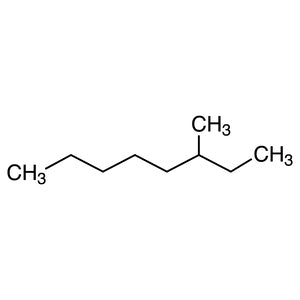
3-Methyloctane TCI M0309
Regular price Rp 12.481.350,00Regular price -
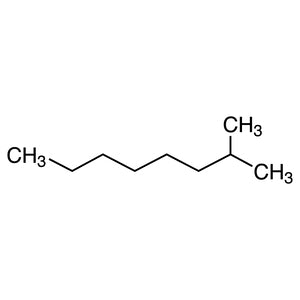
2-Methyloctane TCI M0308
Regular price Rp 7.129.500,00Regular price -
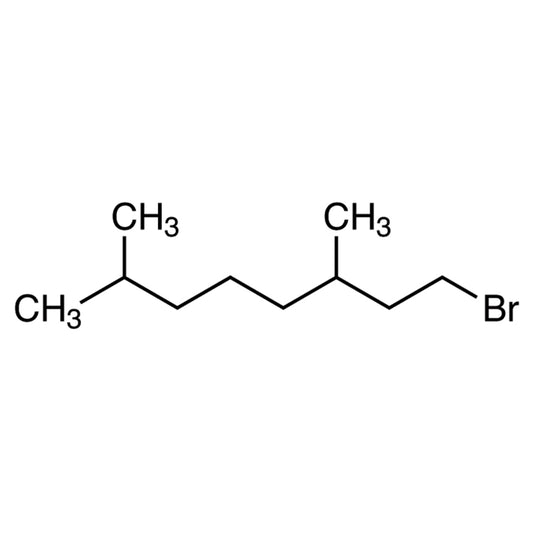
1-Bromo-3,7-dimethyloctane TCI B4401
Regular price From Rp 3.260.250,00Regular price -
2,6-Dimethyloctane TCI D1212
Regular price Rp 4.797.450,00Regular price -
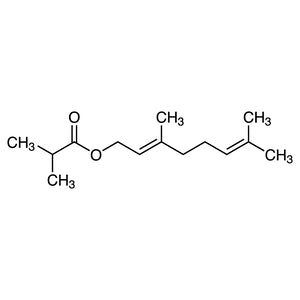
(E)-3,7-Dimethylocta-2,6-dien-1-ylIsobutyrate TCI G0621
Regular price Rp 1.193.850,00Regular price -
Undecylcyclohexane TCI U0037
Regular price Rp 6.599.250,00Regular price