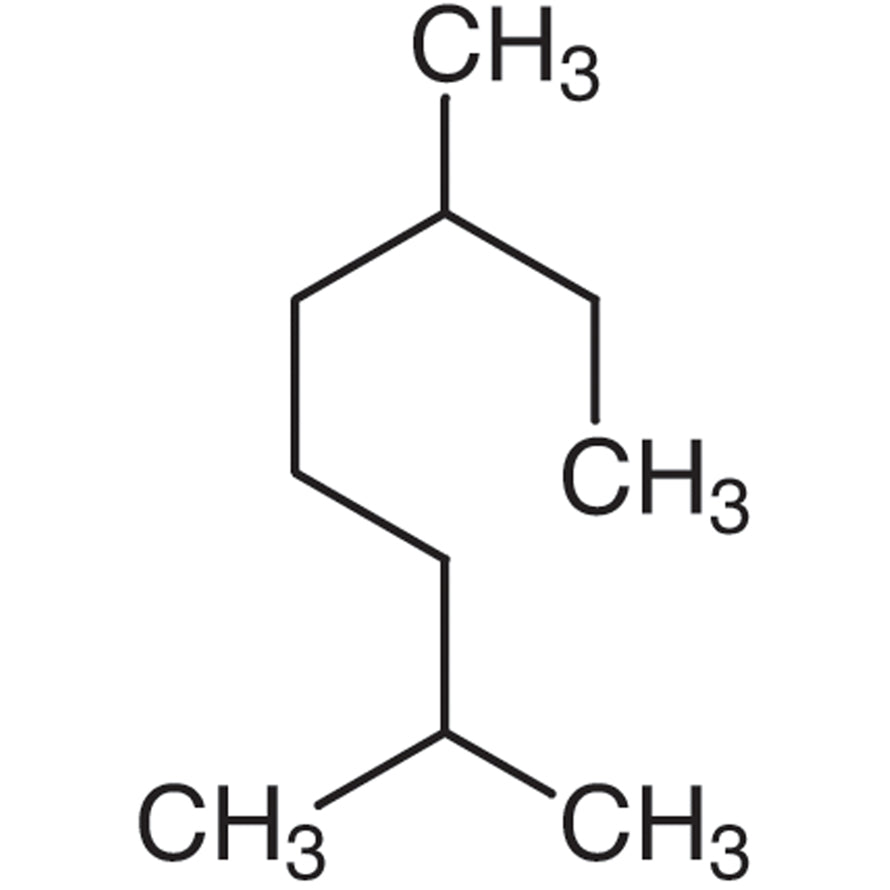
2,6-Dimethyloctane is an organic compound widely utilized in chemical and biochemical experiments. As a member of the terpene family, it possesses a complex molecular structure and is valued for its versatility in scientific research. This compound is commonly found in laboratories as a solvent or a starting material for the synthesis of other compounds. Its presence in various scientific fields highlights its importance in both analytical and preparative processes. Due to its chemical stability, it is a reliable choice for experiments requiring a non-polar solvent.
The properties of 2,6-Dimethyloctane make it a preferred choice in laboratory settings. It is non-polar and chemically inert, which means it does not react with most reagents, making it ideal for neutral reaction environments. Its high boiling point ensures stability under varying temperature conditions, which is essential for many experimental procedures. Additionally, its non-flammable and non-corrosive nature enhances safety in laboratory environments, reducing the risk of accidents. These characteristics contribute to its widespread use in both research and industrial applications.
In Indonesian laboratories, 2,6-Dimethyloctane is extensively used in biochemical, pharmaceutical, and organic chemistry research. It plays a crucial role in the synthesis of bioactive compounds and is often employed in analytical procedures. Its reliability and chemical stability make it a staple in laboratories across Indonesia, supporting a wide range of scientific investigations and experiments.
TCI brochures (PDF)
- Terpenes 2025-09-22 · p. 3
- Biochemical Research: 2,6-Dimethyloctane is ideal for biochemical experiments due to its non-polar nature and chemical inertness, making it suitable for isolating and analyzing organic compounds.
- Pharmaceutical Development: It is used in the synthesis of bioactive compounds, serving as a solvent in the preparation of drug molecules and intermediates.
- Organic Chemistry Experiments: Its stability and high boiling point make it a preferred solvent for organic reactions requiring controlled temperature environments.
- Analytical Chemistry: It is commonly used as a reference standard in chromatographic and spectroscopic analyses due to its purity and predictable behavior.
- Industrial Process Development: It is employed in the formulation of specialty chemicals and as a component in the production of specialty solvents and coatings.
| Brand | TCI |
|---|---|
| CAS number | 2051-30-1 |
| Molecular formula | — |
| Purity | — |
| Category | Life Science > Biochemicals and Reagents > Terpenes |
| Pack sizes | Available in various sizes as per supplier specifications |
| Physical form | Liquid |
| Storage | Store in a cool, dry place away from direct sunlight and incompatible materials |
2,6-Dimethyloctane should be stored in a cool, dry location, away from direct sunlight and sources of heat. It is recommended to use sealed, non-reactive containers such as glass or stainless steel to prevent contamination and evaporation. Due to its non-flammable and non-corrosive nature, it poses minimal risk in standard laboratory environments. However, it is important to handle it with care, ensuring proper ventilation and avoiding contact with skin or inhalation. Always follow standard laboratory safety protocols when working with this compound to maintain a safe and controlled environment.
—
Product Categories
Produk Terkait
-
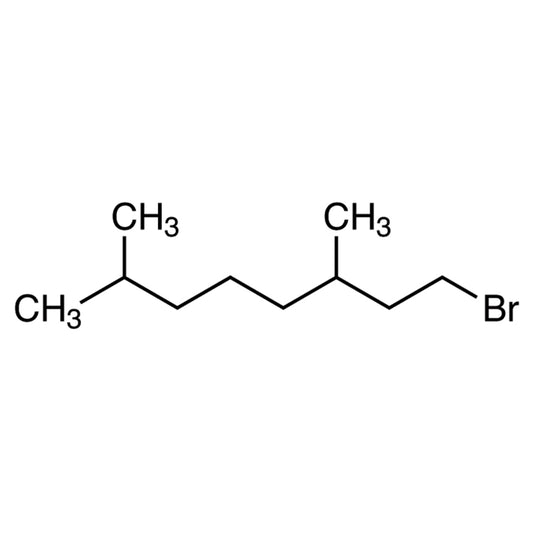
1-Bromo-3,7-dimethyloctane TCI B4401
Regular price From Rp 3.260.250,00Regular price -
4,4-Dimethyloctane TCI D1216
Regular price Rp 1.644.300,00Regular price -
3,5-Dimethyloctane TCI D1214
Regular price From Rp 2.809.800,00Regular price -
3,3-Dimethyloctane TCI D1213
Regular price Rp 1.776.600,00Regular price -
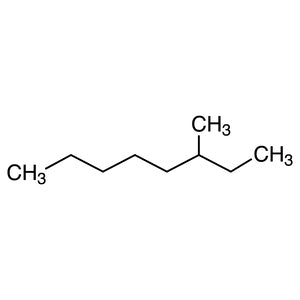
3-Methyloctane TCI M0309
Regular price Rp 12.481.350,00Regular price -
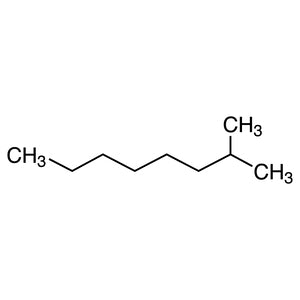
2-Methyloctane TCI M0308
Regular price Rp 7.129.500,00Regular price -
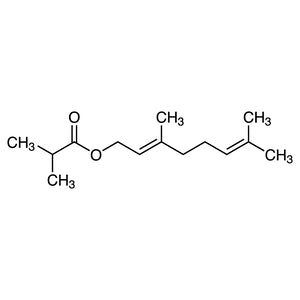
(E)-3,7-Dimethylocta-2,6-dien-1-ylIsobutyrate TCI G0621
Regular price Rp 1.193.850,00Regular price -
NerylAcetate TCI N0463
Regular price Rp 1.060.500,00Regular price