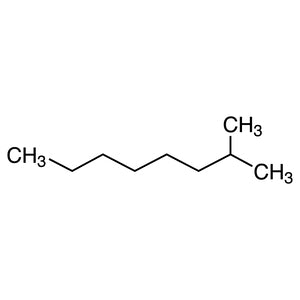
2-Methyloctane is an organic compound widely used as a foundational material in various chemical reactions. It serves as a building block in the synthesis of more complex organic compounds, playing a crucial role in laboratory research. This hydrocarbon is particularly valued for its stability and inertness, making it a reliable component in chemical processes. Its non-polar nature allows it to function effectively as a solvent in a range of applications. In Indonesian laboratories, 2-Methyloctane is a common choice due to its availability and versatility in chemical synthesis and analysis.
The compound's non-reactive nature and high boiling point contribute to its preference in laboratory settings. These properties ensure that it remains stable under various experimental conditions, reducing the risk of unwanted side reactions. Its lack of heterocyclic components also enhances its safety profile, making it suitable for use in environments where chemical stability is essential. Additionally, its physical characteristics allow it to be used as a solvent for other compounds without significant interaction, which is vital in synthetic and analytical procedures.
In Indonesian laboratories, 2-Methyloctane is extensively utilized in organic synthesis and chemical analysis. It is commonly employed as a solvent or a starting material for the preparation of other compounds with similar structural features. Its reliability and availability make it a preferred choice for researchers and technicians working in both academic and industrial settings. The compound's properties align well with the needs of modern chemical research, supporting a wide range of experimental applications.
- Organic synthesis of complex hydrocarbons requiring a stable and inert building block.
- Use as a solvent in reactions where non-reactivity and solubility of organic compounds are essential.
- Preparation of derivatives with similar structural characteristics for further chemical modifications.
- Support in analytical chemistry for chromatographic and spectroscopic analysis of organic compounds.
- Application in research involving hydrocarbon-based compounds for pharmaceutical and industrial development.
| Brand | TCI |
|---|---|
| CAS number | 3221-61-2 |
| Molecular formula | — |
| Purity | — |
| Category | Chemistry > Building Blocks > Non-Heterocyclic Building Blocks |
| Pack sizes | Available in various quantities as per supplier specifications |
| Physical form | Liquid |
| Storage | Store in a cool, dry place away from direct sunlight and incompatible materials |
2-Methyloctane should be stored in a cool, dry location, away from direct sunlight and sources of heat. It is recommended to use tightly sealed containers made of materials compatible with hydrocarbons, such as glass or stainless steel. Due to its non-reactive nature, it generally does not require special handling beyond standard laboratory safety practices. However, it is important to ensure that it is kept away from oxidizing agents and strong acids. Proper ventilation should be maintained in the workspace to prevent inhalation of vapors. Always follow standard laboratory protocols for handling organic solvents to ensure safety and maintain the integrity of the compound.
—
Produk Terkait
-
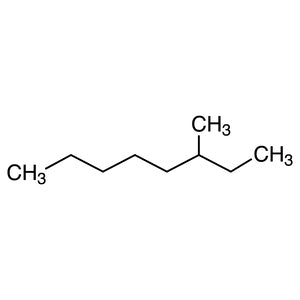
3-Methyloctane TCI M0309
Regular price Rp 12.481.350,00Regular price -
4,4-Dimethyloctane TCI D1216
Regular price Rp 1.644.300,00Regular price -
3,5-Dimethyloctane TCI D1214
Regular price From Rp 2.809.800,00Regular price -
3,3-Dimethyloctane TCI D1213
Regular price Rp 1.776.600,00Regular price -
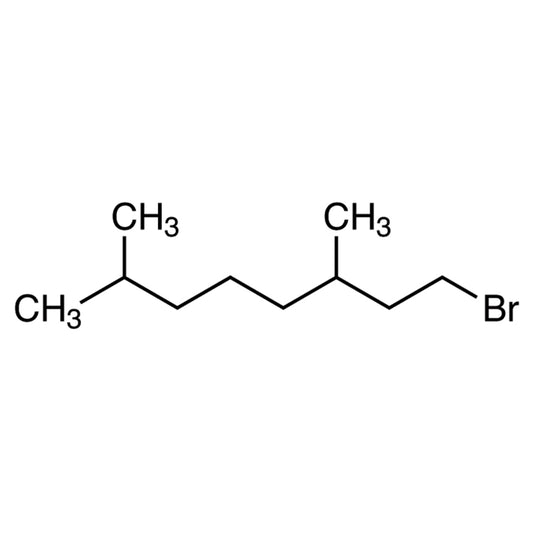
1-Bromo-3,7-dimethyloctane TCI B4401
Regular price From Rp 3.260.250,00Regular price -
2,6-Dimethyloctane TCI D1212
Regular price Rp 4.797.450,00Regular price -
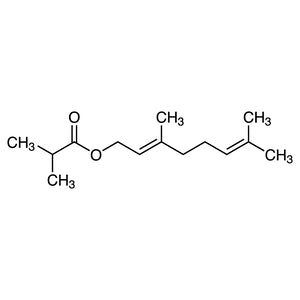
(E)-3,7-Dimethylocta-2,6-dien-1-ylIsobutyrate TCI G0621
Regular price Rp 1.193.850,00Regular price -
Undecylcyclohexane TCI U0037
Regular price Rp 6.599.250,00Regular price