TCI D1372 1,1-Dimethoxycyclohexane is the dimethyl acetal of cyclohexanone, a compound in which two methoxy groups are bound to a single carbon atom of the cyclohexane ring. As a non-heterocyclic building block, this material plays an important role in carbonyl protecting-group strategies within organic synthesis. Acetals of this type allow chemists to temporarily deactivate a ketone group so that it does not participate in reactions at a particular stage, and then to restore it through hydrolysis under acidic conditions once all other transformations have been completed.
The property that makes this compound a preferred choice is its stability toward basic conditions and strongly nucleophilic reagents, combined with the ease with which it can be reopened in an aqueous acidic environment. This character delivers clean chemoselective control across multi-step synthetic routes. In addition, the compound is frequently used as a source of protecting groups through acetal exchange reactions, and as a water scavenger in reaction mixtures, because its hydrolysis produces methanol and cyclohexanone, both of which are readily separated. Its liquid form makes measured addition straightforward, and its relatively colourless nature makes reaction monitoring more comfortable to carry out.
In Indonesian laboratories, this building block is typically used in organic synthesis work at universities, research institutes, and industrial development units where multi-step routes require reliable carbonyl protection. It suits research groups preparing intermediates for fine chemicals, and teaching laboratories demonstrating protecting-group methodology. The liquid form supports accurate volumetric dispensing on the bench scale that is common in local facilities, while its predictable behaviour under acidic and basic conditions makes it convenient for planning reaction sequences.
TCI brochures (PDF)
- Protecting Agents 2025-03-25 · p. 8
Related TCI products
- Carbonyl protecting-group chemistry: the acetal temporarily masks a ketone so that it stays inert while other functional groups in the molecule are transformed under basic or nucleophilic conditions.
- Multi-step organic synthesis: its clean chemoselectivity lets researchers sequence reactions with confidence, deprotecting by acidic hydrolysis only after every other planned transformation has been completed.
- Acetal exchange reactions: the compound serves as a convenient source of protecting groups, transferring the acetal function to other carbonyl substrates during preparative work in the laboratory.
- Water scavenging in reaction mixtures: hydrolysis of the acetal consumes water and releases methanol and cyclohexanone, two products that are easily removed from the reaction system.
- Preparation of synthetic intermediates and building blocks: as a non-heterocyclic building block, it supports the construction of more elaborate target molecules in research and development programmes.
| Brand | TCI |
|---|---|
| CAS number | 933-40-4 |
| Molecular formula | — |
| Purity | — |
| Category | Chemistry > Building Blocks > Non-Heterocyclic Building Blocks |
| Pack sizes | available in the standard TCI catalogue packaging options |
| Physical form | liquid, relatively colourless |
| Storage | keep in a cool, dry place in a tightly closed container, away from moisture and acidic conditions |
Store this material in a cool, dry, well-ventilated area, away from heat sources, direct sunlight, and any acidic contamination that could trigger premature hydrolysis. Keep it in tightly closed, chemically compatible containers such as the original supplier bottle, and reseal immediately after each use to limit exposure to atmospheric moisture. Handle in a fume hood using suitable gloves, safety glasses, and a laboratory coat, and avoid contact with skin, eyes, and inhalation of vapours. Keep away from ignition sources, dispense with clean and dry equipment, and follow the safety data sheet together with your institution's chemical waste procedures for disposal.
—
Produk Terkait
-
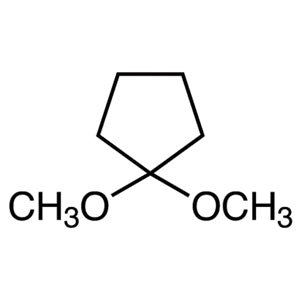
1,1-Dimethoxycyclopentane TCI D1886
Regular price From Rp 1.326.150,00Regular price -
3-Methoxycyclohexene TCI M2455
Regular price Rp 4.133.850,00Regular price -
Methoxycyclohexane TCI M2374
Regular price From Rp 4.081.350,00Regular price -
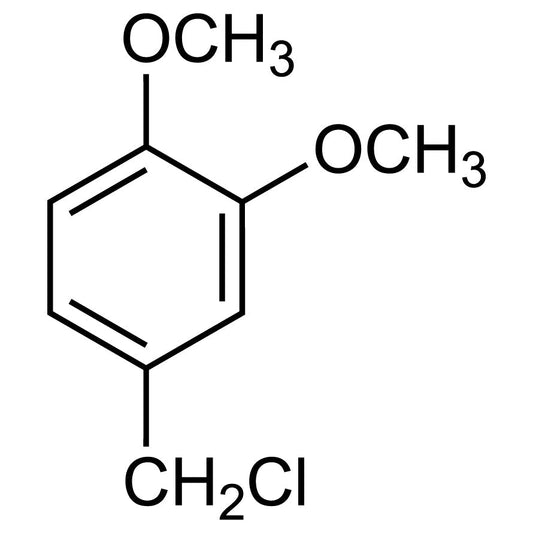
4-(Chloromethyl)-1,2-dimethoxybenzene TCI V0211
Regular price Rp 2.359.350,00Regular price -
BenzylIsopropenylEther[Hydroxyl-ProtectingAgent] TCI B1257
Regular price From Rp 3.976.350,00Regular price -
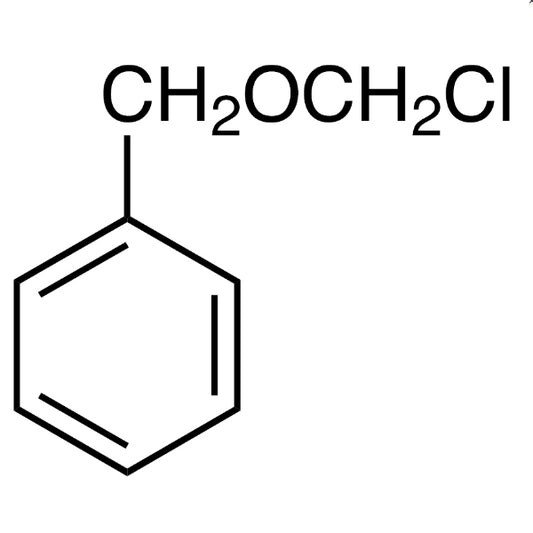
BenzylChloromethylEther TCI B1207
Regular price From Rp 1.353.450,00Regular price -
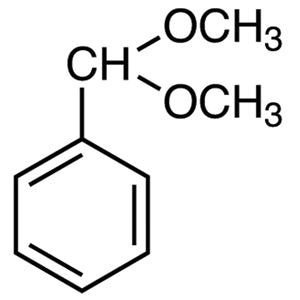
BenzaldehydeDimethylAcetal TCI B1197
Regular price From Rp 477.750,00Regular price -
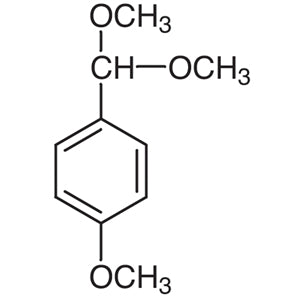
p-AnisaldehydeDimethylAcetal TCI A1247
Regular price From Rp 1.803.900,00Regular price


![32783-20-3 Benzyl Isopropenyl Ether [Hydroxyl-Protecting Agent] - AMI Scientific](http://amiscientific.com/cdn/shop/files/TCI2510B1257_e4b87cea-2bdb-4c78-b295-d74afba63b52.jpg?v=1767232122&width=533)