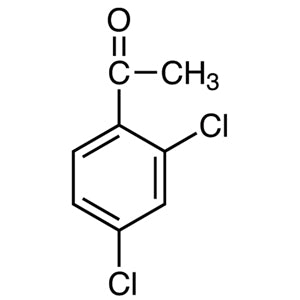
2',4'-Dichloroacetophenone is a chemical compound widely used in organic reactions for the synthesis of complex molecules. It serves as a fundamental building block in laboratory settings, particularly in the development of aromatic compounds with specific structural features. This reagent is commonly utilized in chemical laboratories as a precursor for the production of specialized aromatic substances. Its role is critical in the creation of compounds with defined biological activities, making it an essential component in various synthetic pathways.
The compound is known for its stable molecular structure and relatively high reactivity, which allows it to readily participate in a variety of chemical reactions. Its ability to react with different reagents makes it a versatile tool in synthetic chemistry. The availability of this compound in solid form and its solubility in organic solvents enhance its practicality for use in diverse experimental setups. These properties make it a preferred choice for chemists working in both academic and industrial research environments.
In Indonesian laboratories, 2',4'-Dichloroacetophenone is a key reagent in organic chemistry, pharmaceutical, and materials research. Its application aligns with the growing needs of local scientific communities, particularly in the synthesis of pharmaceutical compounds and industrial chemicals. Its relevance in research is further supported by its consistent performance in various synthetic processes, contributing to the advancement of scientific studies in the region.
Related TCI products
- Organic Synthesis: This compound is ideal for creating aromatic derivatives due to its reactive nature and structural versatility.
- Pharmaceutical Research: It is frequently used in the development of drug compounds, especially those requiring chlorinated aromatic structures.
- Material Science: Its chemical stability and reactivity make it suitable for synthesizing advanced materials with specific functional properties.
- Analytical Chemistry: It serves as a standard in chromatographic and spectroscopic analyses due to its well-defined molecular structure.
- Environmental Studies: It is used in the study of chlorinated organic pollutants and their degradation pathways in environmental samples.
| Brand | TCI |
|---|---|
| CAS number | 2234-16-4 |
| Molecular formula | — |
| Purity | — |
| Category | Chemistry > Building Blocks > Non-Heterocyclic Building Blocks |
| Pack sizes | Available in various quantities as per standard laboratory supply formats |
| Physical form | Solid |
| Storage | Store in a cool, dry place away from direct sunlight and moisture |
This compound should be stored in a cool, dry environment to maintain its stability and prevent degradation. It is recommended to use airtight containers to protect it from moisture and air exposure. Due to its reactivity, it should be handled in a well-ventilated area, ideally under a fume hood, to minimize exposure to vapors. Avoid contact with incompatible materials such as strong bases or reducing agents. Proper personal protective equipment, including gloves and safety goggles, should be worn during handling. Regular monitoring of storage conditions ensures the compound remains in optimal condition for use in laboratory applications.
—
Produk Terkait
-
4'-Amino-3',5'-dichloroacetophenone TCI A1967
Regular price From Rp 1.115.100,00Regular price -
3',5'-Dichloroacetophenone TCI D5111
Regular price From Rp 903.000,00Regular price -
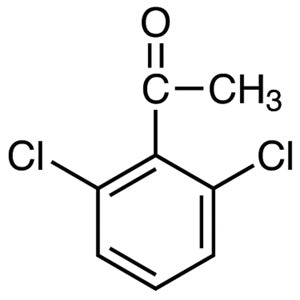
2',6'-Dichloroacetophenone TCI D4119
Regular price From Rp 1.035.300,00Regular price -
2',5'-Dichloroacetophenone TCI D2502
Regular price From Rp 477.750,00Regular price -
2,2-Dichloroacetophenone TCI D1122
Regular price Rp 2.597.700,00Regular price -
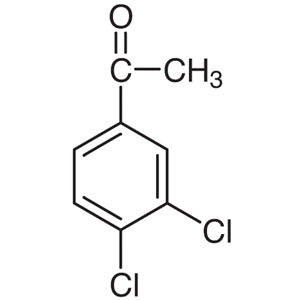
3',4'-Dichloroacetophenone TCI D0311
Regular price Rp 1.776.600,00Regular price -
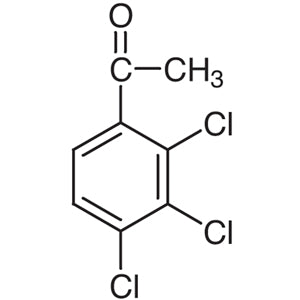
2',3',4'-Trichloroacetophenone TCI T2306
Regular price Rp 848.400,00Regular price -
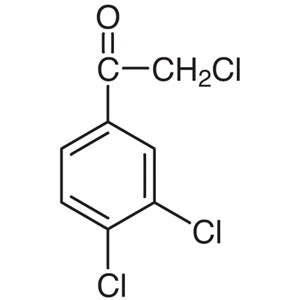
2,3',4'-Trichloroacetophenone TCI T1965
Regular price Rp 2.068.500,00Regular price