1-Diazo-2-naphthol-4-sulfonic Acid is a chemical compound widely used in laboratory settings for its versatility in organic synthesis. This compound plays a crucial role in the development of complex organic molecules, serving as a key building block in various chemical reactions. Its aromatic structure allows it to participate in substitution and aromatic reactions, making it an essential component in synthetic pathways. Due to its stability and controlled reactivity, it is often selected for applications requiring precision and consistency in laboratory processes.
The compound's chemical stability and predictable reactivity make it a preferred choice for researchers. It maintains its integrity under various experimental conditions, ensuring reliable results in chemical synthesis. Its ability to undergo controlled reactions without excessive side products enhances its utility in laboratory environments. Additionally, its compatibility with a range of reagents and solvents further supports its use in diverse chemical applications. These properties contribute to its widespread adoption in both academic and industrial research settings.
In Indonesian laboratories, 1-Diazo-2-naphthol-4-sulfonic Acid is commonly used in organic chemistry research. It is frequently found in academic institutions and research centers, where it supports the development of new compounds with potential applications in pharmaceuticals, materials science, and chemical industries. Its role in the synthesis of aromatic compounds highlights its importance in advancing scientific knowledge and innovation within the Indonesian scientific community.
Related TCI products
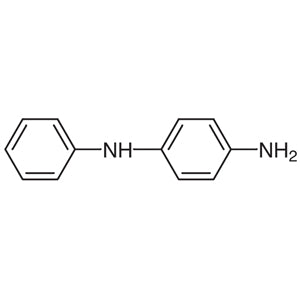
- TCI P0203 101-54-2 Azoic Diazo Component 22
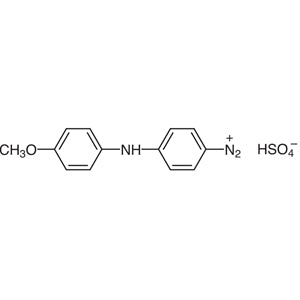
- TCI D2290 49732-38-9 4-Diazo-4'-methoxydiphenylamine Sulfate
- TCI D0142 13532-96-2 4-Diazo-N-ethyl-N-(2-hydroxyethyl)aniline Chloride Zinc Chloride
- TCI D0140 6087-56-5 4-Diazo-N,N-dimethylaniline Chloride Zinc Chloride
- TCI A0287 88-53-9 5-Amino-2-chlorotoluene-4-sulfonic Acid
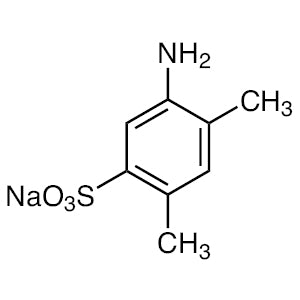
- TCI X0030 64501-84-4 2,4-Dimethylaniline-5-sulfonic Acid Sodium Salt
- Organic synthesis of aromatic compounds due to its ability to participate in substitution reactions and provide structural diversity.
- Development of pharmaceutical intermediates as it serves as a versatile building block in complex molecule synthesis.
- Material science research for the creation of functional materials with specific chemical properties.
- Chemical industry applications in the production of dyes, pigments, and other specialty chemicals.
- Academic research in Indonesian universities for teaching and experimental purposes in organic chemistry.
| Brand | TCI |
|---|---|
| CAS number | 887-76-3 |
| Molecular formula | — |
| Purity | — |
| Category | Chemistry > Building Blocks > Non-Heterocyclic Building Blocks |
| Pack sizes | Available in various quantities as per supplier specifications |
| Physical form | Solid |
| Storage | Store in a cool, dry place away from light and moisture |
This compound should be stored in a cool, dry environment, away from direct light and moisture to maintain its stability. It is recommended to use airtight containers to prevent exposure to air and humidity, which may affect its chemical integrity. Laboratory personnel should handle it with care, using appropriate personal protective equipment such as gloves and safety goggles. It is important to ensure that storage conditions are consistent and that the compound is kept in a secure location to prevent accidental exposure. Proper labeling of storage containers is essential for safe handling and to comply with laboratory safety standards.
—
Produk Terkait
-
AzoicDiazoComponent22 TCI P0203
Regular price From Rp 610.050,00Regular price -
4-Diazo-4'-methoxydiphenylamineSulfate TCI D2290
Regular price Rp 1.538.250,00Regular price -
4-Diazo-N-ethyl-N-(2-hydroxyethyl)anilineChlorideZincChloride TCI D0142
Regular price Rp 1.008.000,00Regular price -
4-Diazo-N,N-dimethylanilineChlorideZincChloride TCI D0140
Regular price From Rp 530.250,00Regular price -
5-Amino-2-chlorotoluene-4-sulfonicAcid TCI A0287
Regular price From Rp 637.350,00Regular price -
2,4-Dimethylaniline-5-sulfonicAcidSodiumSalt TCI X0030
Regular price Rp 4.268.250,00Regular priceRp 2.984.100,00Sale price Rp 4.268.250,00 -
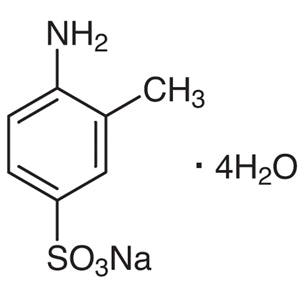
o-Toluidine-4-sulfonicAcidSodiumSaltTetrahydrate TCI T0304
Regular price From Rp 505.050,00Regular price -
4-Chloroaniline-3-sulfonicAcid TCI C0116
Regular price From Rp 955.500,00Regular price