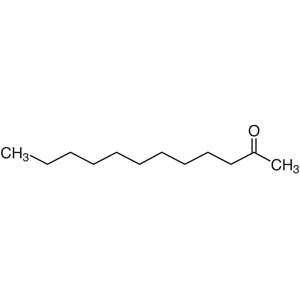
Dipivaloylmethane is a chemical compound widely used as a building block in various laboratory reactions. It serves as a fundamental component in the synthesis of complex organic and heterocyclic compounds. Its simple molecular structure plays a crucial role in enabling the formation of more intricate molecular frameworks. This compound is highly valued in synthetic chemistry due to its versatility and ability to participate in multiple reaction pathways. It is commonly utilized in both academic and industrial research settings to develop new chemical entities and modify existing molecular structures.
Dipivaloylmethane is known for its chemical stability and controlled reactivity, making it an ideal choice for laboratory applications. These properties ensure that it remains effective under a variety of reaction conditions without undergoing unwanted side reactions. Its resistance to degradation and ability to maintain chemical integrity over time further enhance its reliability in synthetic processes. The compound’s predictable behavior and compatibility with various reagents contribute to its popularity among chemists working in both research and development environments.
In Indonesian laboratories, Dipivaloylmethane is frequently used in organic chemistry research, particularly in the synthesis of new compounds and structural modifications. It is also commonly found in pharmacological and materials chemistry studies due to its ability to participate in a wide range of chemical reactions. Its role in these fields highlights its importance as a versatile and reliable reagent for chemical synthesis and innovation.
- Organic synthesis is a key application where Dipivaloylmethane is used to build complex molecular structures due to its reactivity and stability.
- Heterocyclic compound development benefits from this compound’s ability to participate in cyclization and condensation reactions.
- Pharmaceutical research utilizes Dipivaloylmethane in the synthesis of drug molecules and functional group modifications.
- Materials chemistry applications rely on its role in creating polymers and organic-inorganic hybrids through controlled reactions.
- Structural modification studies use Dipivaloylmethane as a versatile intermediate for altering molecular frameworks and enhancing functional properties.
| Brand | TCI |
|---|---|
| CAS number | 1118-71-4 |
| Molecular formula | — |
| Purity | — |
| Category | Chemistry > Building Blocks > Non-Heterocyclic Building Blocks |
| Pack sizes | Available in various quantities as per standard laboratory supply |
| Physical form | Solid |
| Storage | Store in a cool, dry place away from light and moisture |
Dipivaloylmethane should be stored in a cool, dry environment to maintain its chemical stability. It is recommended to keep the compound in airtight containers to prevent exposure to moisture and air, which could affect its reactivity. Suitable storage conditions include a controlled room temperature with low humidity levels. Laboratory personnel should handle the compound with care, using appropriate personal protective equipment to ensure safety. It is important to avoid contact with incompatible substances and to follow standard laboratory safety protocols when working with this chemical. Proper storage and handling practices help preserve the compound’s effectiveness and ensure safe usage in research settings.
—
Produk Terkait
-
2,6-Dimethyl-4-heptanone TCI D0733
Regular price From Rp 452.550,00Regular price -
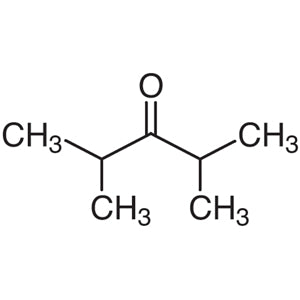
2,4-Dimethyl-3-pentanone TCI D0770
Regular price From Rp 637.350,00Regular price -
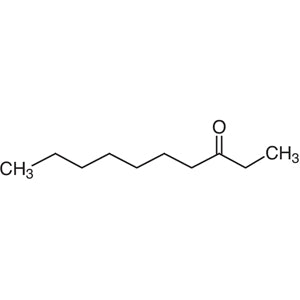
3-Decanone TCI D1162
Regular price Rp 2.068.500,00Regular price -
5-Dodecanone TCI D1536
Regular price Rp 1.670.550,00Regular price -
8-Pentadecanone TCI D1545
Regular price From Rp 2.466.450,00Regular price -
7-Tridecanone TCI D1546
Regular price From Rp 1.618.050,00Regular price -
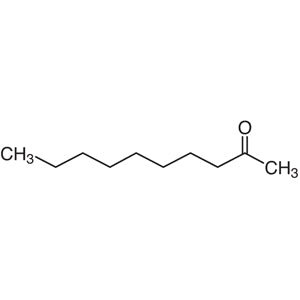
2-Decanone TCI D1643
Regular price Rp 1.431.150,00Regular price -
2-Dodecanone TCI D1862
Regular price Rp 2.889.600,00Regular price