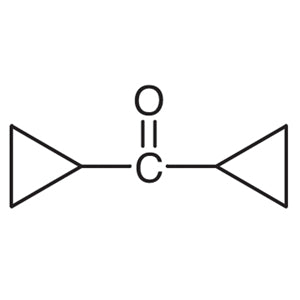
Dicyclopropyl Ketone is an organic compound widely used as a foundational building block in the synthesis of complex chemical structures. This compound features a unique chemical structure with two cyclopropyl rings connected by a ketone group, making it a valuable reagent in various chemical reactions. In laboratory settings, it plays a crucial role in the development of new compounds, particularly in the synthesis of heterocyclic and complex molecular structures. Its stability and controlled reactivity make it a reliable choice for researchers aiming to achieve consistent results in their experiments.
The compound's chemical properties enable effective substitution and addition reactions, which are essential in organic synthesis. It is a colorless liquid with a distinctive odor, and its high boiling point facilitates evaporation and separation processes during chemical reactions. Due to its chemical stability, it is well-suited for use in laboratory environments where long-term reliability is required. Its inert nature also ensures minimal interference with other reagents, making it a preferred choice for many synthetic pathways.
In Indonesian laboratories, Dicyclopropyl Ketone is extensively used in chemical research, especially in the fields of organic synthesis and the development of new compounds. Its versatility and reliability make it a common reagent in academic and industrial research settings. Researchers in Indonesia rely on this compound for its consistent performance and compatibility with various synthetic protocols.
Related TCI products
- Organic synthesis is a key application where Dicyclopropyl Ketone is used to construct complex molecular frameworks due to its unique structural features.
- Heterocyclic compound development benefits from its ability to participate in controlled chemical reactions, facilitating the formation of ring structures.
- Chemical research in Indonesian laboratories often employs this compound for its stability and predictable reactivity in various synthetic pathways.
- Compound modification processes benefit from its ability to undergo substitution and addition reactions, enabling structural changes in target molecules.
- Industrial research applications leverage its chemical properties for the production of specialized organic compounds in pharmaceutical and chemical industries.
| Brand | TCI |
|---|---|
| CAS number | 1121-37-5 |
| Molecular formula | — |
| Purity | — |
| Category | Chemistry > Building Blocks > Non-Heterocyclic Building Blocks |
| Pack sizes | Available in various quantities as per supplier specifications |
| Physical form | Colorless liquid |
| Storage | Store in a cool, dry place away from light and incompatible substances |
Dicyclopropyl Ketone should be stored in a cool, dry environment, away from direct sunlight and sources of heat. It is recommended to use sealed containers made of materials compatible with organic solvents, such as glass or high-density polyethylene. Due to its chemical stability, it does not require refrigeration but should be kept in a well-ventilated area to prevent exposure to air. Laboratory personnel should handle the compound with care, using appropriate personal protective equipment to avoid direct contact. It is important to ensure that the storage area is free from incompatible materials to prevent any potential chemical interactions.
—
Produk Terkait
-
4-BromophenylCyclopropylKetone TCI B4076
Regular price Rp 1.298.850,00Regular price -
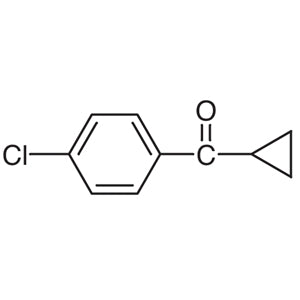
4-ChlorophenylCyclopropylKetone TCI C1681
Regular price Rp 1.458.450,00Regular price -
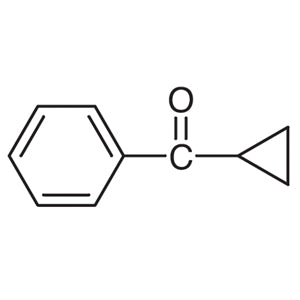
CyclopropylPhenylKetone TCI C0987
Regular price Rp 3.207.750,00Regular price -
CyclopropylMethylKetone TCI C0985
Regular price From Rp 1.087.800,00Regular price -
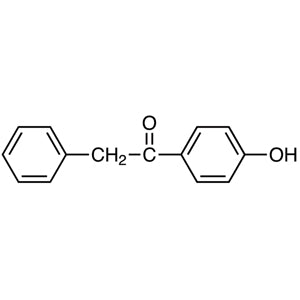
Benzyl4-HydroxyphenylKetone TCI B4722
Regular price From Rp 1.035.300,00Regular price -
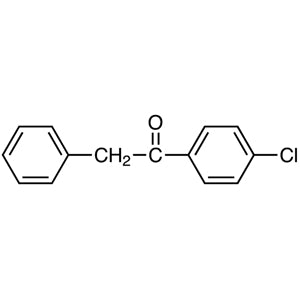
Benzyl4-ChlorophenylKetone TCI B4704
Regular price From Rp 848.400,00Regular price -
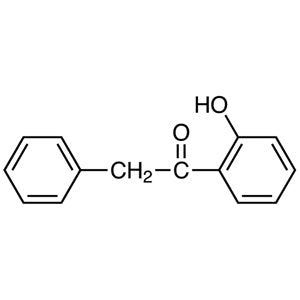
Benzyl2-HydroxyphenylKetone TCI B4673
Regular price From Rp 2.094.750,00Regular price -
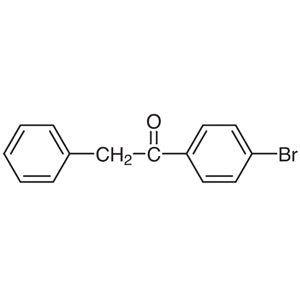
Benzyl4-BromophenylKetone TCI B2020
Regular price From Rp 1.458.450,00Regular price