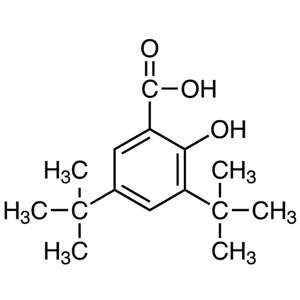
3,5-Di-tert-butylsalicylic Acid is a chemical compound widely used in laboratory settings for its versatility in chemical reactions and molecular synthesis. This compound serves as a key building block in organic chemistry, enabling the creation of more complex molecules. Its presence in chemical laboratories is essential for researchers aiming to develop new compounds, particularly in pharmaceutical and industrial applications. As a fundamental reagent, it supports various synthetic pathways and is integral to the development of advanced chemical products.
The compound's chemical properties make it a preferred choice for laboratory use. It exhibits stability under various reaction conditions and is resistant to degradation, which ensures consistent performance in experimental processes. Its molecular structure, featuring hydroxyl and ether groups, allows it to participate in multiple reaction types, including substitution, reduction, and oxidation. The tert-butyl groups further enhance its stability, making it suitable for reactions requiring high chemical integrity.
In Indonesian laboratories, 3,5-Di-tert-butylsalicylic Acid is commonly used in research and development activities. Its solubility in organic solvents simplifies handling and application, making it a practical choice for both academic and industrial settings. Its role in chemical synthesis and its compatibility with standard laboratory procedures make it an essential material for chemists working in Indonesia.
- Organic synthesis applications benefit from this compound's reactivity and stability, enabling the creation of complex molecular structures.
- Pharmaceutical research utilizes it as a precursor in the development of new drug compounds due to its chemical versatility.
- Industrial chemical processes incorporate it for the production of specialty chemicals and intermediates in manufacturing.
- Analytical chemistry laboratories use it as a standard reference material for calibration and quality control procedures.
- Environmental studies may employ it in the analysis of chemical residues and the evaluation of environmental impact in industrial settings.
| Brand | TCI |
|---|---|
| CAS number | 19715-19-6 |
| Molecular formula | — |
| Purity | — |
| Category | Chemistry > Building Blocks > Non-Heterocyclic Building Blocks |
| Pack sizes | Available in various quantities as per standard laboratory supply formats |
| Physical form | Solid powder |
| Storage | Store in a cool, dry place away from direct sunlight and moisture |
This compound should be stored in a cool, dry environment to maintain its chemical stability. It is recommended to keep it in airtight containers to prevent moisture absorption and contamination. Due to its chemical nature, it should be handled with appropriate personal protective equipment, including gloves and safety goggles. Storage should be away from incompatible substances such as strong oxidizers or acids. Regular inspection of storage conditions ensures the compound remains in optimal condition for laboratory use. Proper labeling and safe handling practices are essential to maintain a secure and efficient laboratory environment.
—
Produk Terkait
-
3-tert-Butylsalicylaldehyde TCI B4016
Regular price From Rp 980.700,00Regular price -
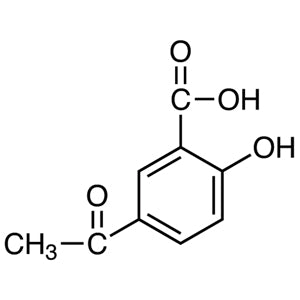
5-AcetylsalicylicAcid TCI A2378
Regular price Rp 8.110.200,00Regular price -
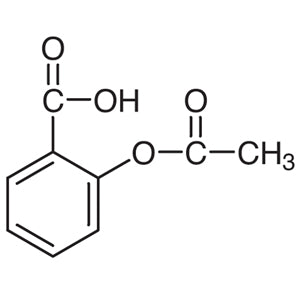
AcetylsalicylicAcid TCI A2262
Regular price From Rp 477.750,00Regular price -
3,5-Di-tert-butylsalicylaldehyde TCI D2646
Regular price From Rp 1.008.000,00Regular price -
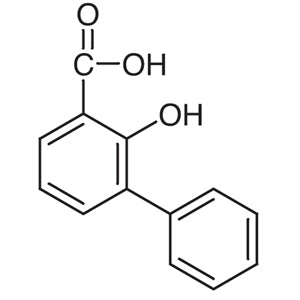
3-PhenylsalicylicAcid TCI P0226
Regular price From Rp 2.094.750,00Regular price -
5-FormylsalicylicAcid TCI F0400
Regular price From Rp 1.961.400,00Regular price -
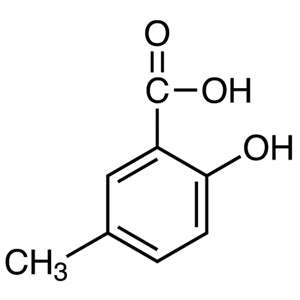
5-MethylsalicylicAcid TCI C0410
Regular price From Rp 955.500,00Regular price -
4-MethylsalicylicAcid TCI C0409
Regular price From Rp 1.193.850,00Regular price