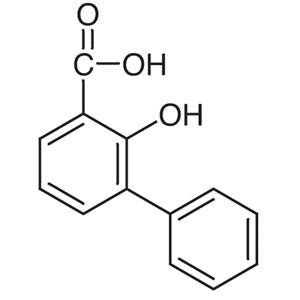
3-Phenylsalicylic Acid is a chemical compound widely used in laboratory settings for the synthesis of complex molecules. It belongs to the category of non-heterocyclic building blocks and is commonly found in organic chemistry research. This compound serves as a foundational material in various chemical reactions, particularly those involving substitution or condensation processes. Its presence in chemical laboratories is essential for the development of pharmaceuticals, industrial chemicals, and other organic compounds. Due to its structural characteristics, it plays a vital role in the creation of new chemical entities with specific functional groups.
The chemical properties of 3-Phenylsalicylic Acid make it a preferred choice for synthetic chemists. It has a stable molecular structure that allows it to interact with a variety of functional groups, enabling the formation of more complex compounds. However, it is sensitive to moisture and air exposure, which requires careful handling. Its reactivity and versatility in forming derivatives make it a valuable reagent in both academic and industrial research. The compound’s ability to participate in multiple reaction pathways enhances its utility in chemical synthesis.
In Indonesian laboratories, 3-Phenylsalicylic Acid is extensively used in chemical research, especially in pharmaceutical and organic chemistry applications. It is frequently employed in experiments involving the synthesis of active pharmaceutical ingredients. Its role in qualitative analysis and the development of new chemical compounds makes it a standard material in many research facilities across Indonesia. The compound’s availability and reliability contribute to its widespread use in both academic and industrial settings.
- Pharmaceutical Research: This compound is ideal for the synthesis of active pharmaceutical ingredients due to its reactivity and structural versatility.
- Organic Chemistry Synthesis: It is commonly used in the preparation of complex organic molecules through substitution and condensation reactions.
- Industrial Chemical Development: Its ability to form various derivatives makes it suitable for the creation of industrial chemicals and specialty compounds.
- Qualitative Analysis: It serves as a useful reagent in analytical chemistry for identifying and characterizing organic compounds.
- Academic Research: It is frequently used in university and research laboratory settings for teaching and experimental purposes.
| Brand | TCI |
|---|---|
| CAS number | 304-06-3 |
| Molecular formula | — |
| Purity | — |
| Category | Chemistry > Building Blocks > Non-Heterocyclic Building Blocks |
| Pack sizes | Available in various quantities as per standard chemical supply practices |
| Physical form | Solid, typically in crystalline form |
| Storage | Requires storage in a cool, dry place away from moisture and air exposure |
3-Phenylsalicylic Acid should be stored in a cool, dry environment to prevent degradation due to moisture and air exposure. It is recommended to use airtight containers to minimize contact with atmospheric moisture. The compound should be kept away from direct sunlight and sources of heat to maintain its chemical stability. In laboratory settings, proper personal protective equipment such as gloves and safety goggles should be worn when handling the material. Due to its reactivity, it is important to ensure that it is stored in a well-ventilated area and handled with care to avoid any potential chemical interactions. Regular monitoring of storage conditions is essential to maintain the integrity of the compound.
—
Produk Terkait
-
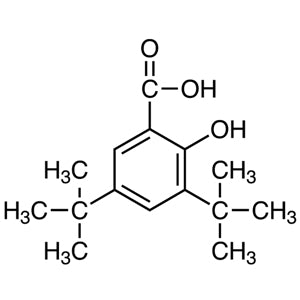
3,5-Di-tert-butylsalicylicAcid TCI D1947
Regular price From Rp 1.326.150,00Regular price -
3,5,6-TrichlorosalicylicAcid TCI T1406
Regular price From Rp 769.650,00Regular price -
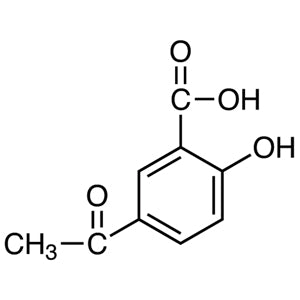
5-AcetylsalicylicAcid TCI A2378
Regular price Rp 8.110.200,00Regular price -
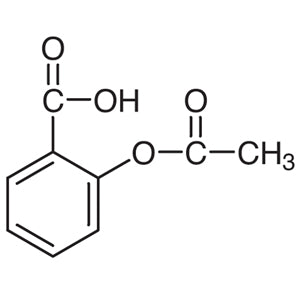
AcetylsalicylicAcid TCI A2262
Regular price From Rp 477.750,00Regular price -
5-FormylsalicylicAcid TCI F0400
Regular price From Rp 1.961.400,00Regular price -
3,6-Dimethylsalicylaldehyde TCI D4507
Regular price From Rp 3.551.100,00Regular price -
3-ChlorosalicylicAcid TCI C3522
Regular price Rp 848.400,00Regular price -
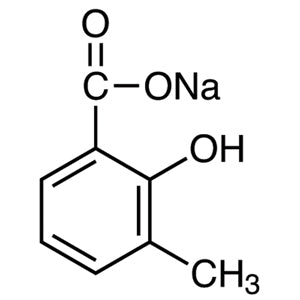
Sodium3-Methylsalicylate TCI C0411
Regular price Rp 4.718.700,00Regular price