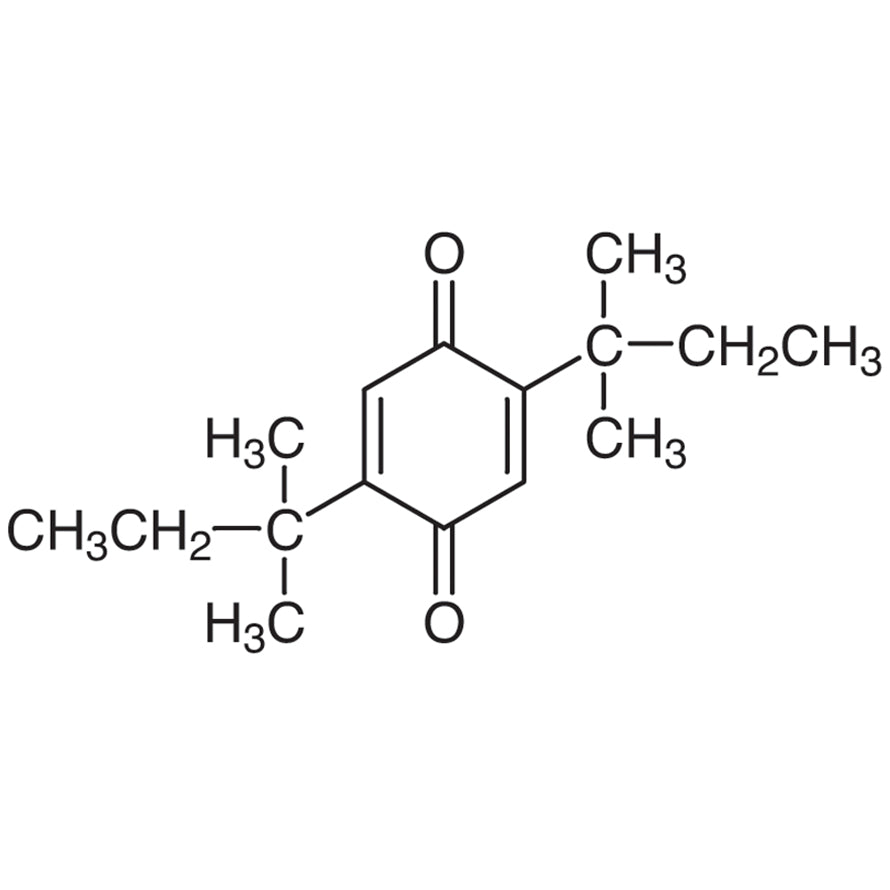
TCI D2152, CAS 4584-63-8, is 2,5-Di-tert-amylbenzoquinone, a p-benzoquinone derivative carrying two branched tert-amyl groups at the 2 and 5 positions of the ring. The compound belongs to the quinone class, a family of compounds that plays an important role as electron acceptors. In the laboratory, this material is classified under electronic materials for molecular conductors, because its quinone core is able to accept electrons and form charge-transfer complexes together with suitable electron-donor molecules. It is supplied by TCI as a research-grade reagent for materials science work.
The properties that make this compound a preferred choice are the combination of the redox capability of the quinone core and the steric influence of the two branched alkyl groups. The p-benzoquinone core provides a reversible quinone–hydroquinone redox couple, so the compound can act both as a mild oxidant and as an electron-transfer mediator. The bulky, branched tert-amyl groups increase solubility in non-polar organic solvents, suppress the tendency toward excessive aggregation, and at the same time provide steric protection at the ring positions they occupy. This combination helps researchers tune the redox potential and the molecular packing pattern within the solid materials that are formed.
In Indonesia, this material is used mainly in university and institutional research laboratories working on organic electronic materials, charge-transfer complexes, and molecular conductors. It is typically handled in small quantities on the bench scale, weighed out for synthesis and complexation experiments, and dissolved in organic solvents for electrochemical or spectroscopic characterization. Because it is a specialty research chemical rather than a bulk commodity, it is normally ordered per experiment and stored in the laboratory chemical cabinet between uses.
- Charge-transfer complex preparation: the electron-accepting quinone core pairs with suitable electron-donor molecules to form charge-transfer complexes for studies of molecular conduction behaviour.
- Molecular conductor research: the compound serves as the acceptor component when building organic solid-state materials whose conductivity depends on donor–acceptor stacking and packing arrangement.
- Electrochemical studies: the reversible quinone–hydroquinone redox couple makes this compound suitable for cyclic voltammetry and other measurements of redox potential in organic media.
- Mild oxidation reactions in organic synthesis: the quinone core can act as a mild oxidant, allowing controlled electron removal from substrates without the harshness of stronger oxidising reagents.
- Electron-transfer mediator work: the compound can shuttle electrons between reaction partners, which is useful in mechanistic studies and in systems where a soluble mediator is required in non-polar solvents.
| Brand | TCI |
|---|---|
| CAS number | 4584-63-8 |
| Molecular formula | — |
| Purity | — |
| Category | Materials Science > Electronic Materials > Molecular Conductors |
| Pack sizes | research-scale packaging as listed by TCI for this catalogue number (D2152) |
| Physical form | — |
| Storage | keep in the original tightly closed container, in a cool, dark and well-ventilated place |
- Chemical name: 2,5-Di-tert-amylbenzoquinone
Store the container tightly closed in a cool, dry, well-ventilated area away from direct sunlight, heat sources, and strong oxidising or reducing agents. Keep the material in its original manufacturer container, or in a chemically compatible glass or amber-glass vessel with a secure cap, clearly labelled with the substance name and CAS number. Handle the solid in a fume hood to avoid inhaling dust, and wear safety goggles, gloves, and a laboratory coat. Avoid contact with skin and eyes, and wash hands after use. Return the container to the chemical cabinet promptly after weighing, and consult the manufacturer's safety data sheet before first use and for disposal guidance.
—
Produk Terkait
-
2-Bromo-1,4-benzoquinone TCI B1601
Regular price From Rp 4.691.400,00Regular price -
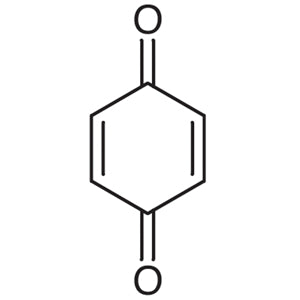
1,4-Benzoquinone TCI B0089
Regular price From Rp 769.650,00Regular price -
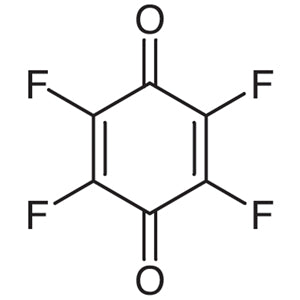
Tetrafluoro-1,4-benzoquinone TCI T0790
Regular price From Rp 1.405.950,00Regular price -
2,5-Dimethoxy-1,4-benzoquinone TCI D2250
Regular price From Rp 3.922.800,00Regular price -
2,5-Dibromo-1,4-benzoquinone TCI D2249
Regular price From Rp 3.949.050,00Regular price -
2,6-Dimethyl-1,4-benzoquinone TCI D2234
Regular price From Rp 1.167.600,00Regular price -
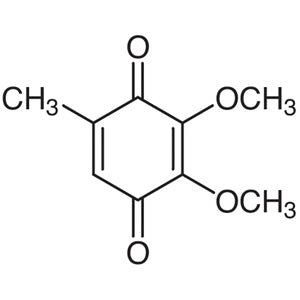
2,3-Dimethoxy-5-methyl-1,4-benzoquinone TCI D1956
Regular price From Rp 689.850,00Regular price -
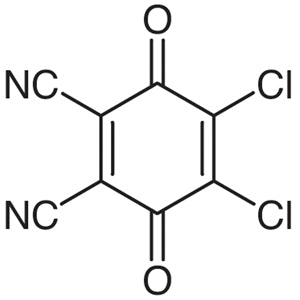
2,3-Dichloro-5,6-dicyano-1,4-benzoquinone TCI D1070
Regular price From Rp 848.400,00Regular price