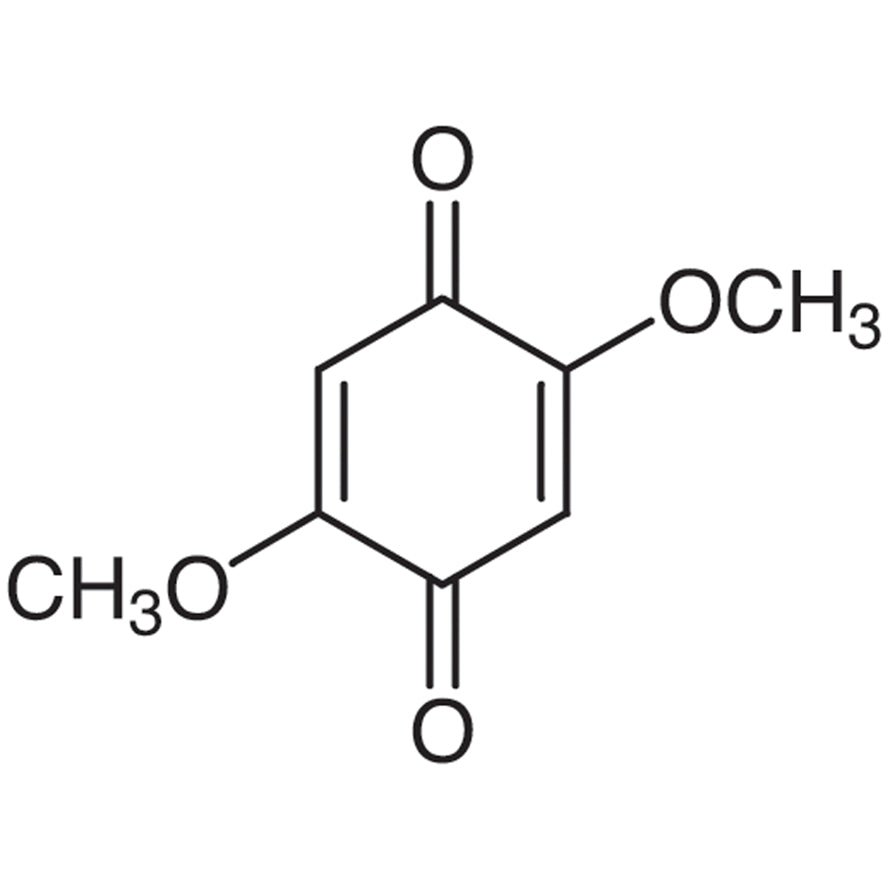
2,5-Dimethoxy-1,4-benzoquinone is a chemical compound widely used in scientific experiments, particularly in the fields of electronic materials and molecular conductors. This compound plays a crucial role in laboratory research, where it serves as a building block for the synthesis of various materials with unique electronic properties. Its presence in molecular conductor studies highlights its importance in the development of advanced electronic systems and semiconductor technologies. Due to its chemical stability and reactivity, it is a valuable resource for researchers exploring new material applications.
The compound's aromatic structure and chirality make it a preferred choice for researchers seeking to develop materials with specific optical and electronic properties. Its ability to participate in oxidation, reduction, and substitution reactions enhances its versatility in chemical synthesis. The reactivity of 2,5-Dimethoxy-1,4-benzoquinone allows it to be used in a wide range of experimental setups, making it a reliable reagent for both academic and industrial research. Its chemical properties ensure it remains a key component in the study of molecular conductors and electronic materials.
In Indonesian laboratories, this compound is commonly used in research related to electronic materials and molecular conductors. Scientists and researchers in Indonesia rely on it for experiments that explore the synthesis of new materials with unique conductive properties. Its availability in various packaging formats supports both small-scale and large-scale research applications, making it a practical choice for laboratory use in the region.
- Molecular Conductor Research: This compound is ideal for studying conductive materials due to its aromatic structure and reactivity, which enable the synthesis of advanced electronic materials.
- Semiconductor Technology Development: Its chemical properties make it suitable for experiments involving semiconductor applications, where precise material properties are essential.
- Chemical Synthesis of New Materials: The compound's ability to undergo various reactions allows it to be used as a building block for creating novel materials with specific electronic properties.
- Optical Material Investigation: The compound’s unique structure and reactivity make it a valuable tool in the study of materials with optical and electronic characteristics.
- Electronic Material Innovation: Its role in molecular conductor research supports the development of new electronic materials with enhanced conductivity and performance.
| Brand | TCI |
|---|---|
| CAS number | 3117-03-1 |
| Molecular formula | — |
| Purity | — |
| Category | Materials Science > Electronic Materials > Molecular Conductors |
| Pack sizes | Available in various packaging formats to suit different experimental needs |
| Physical form | Solid |
| Storage | Store in a cool, dry place away from light and moisture |
This compound should be stored in a cool, dry environment, away from direct light and moisture to maintain its chemical stability. It is recommended to use airtight containers to prevent exposure to air and humidity, which could affect its reactivity. Due to its chemical nature, it should be handled with appropriate safety measures, such as using gloves and a fume hood when working with it in a laboratory setting. Proper ventilation is essential to minimize inhalation risks. The compound is not classified as hazardous under standard laboratory conditions, but standard chemical handling practices should be followed to ensure safe usage and storage.
—
Produk Terkait
-
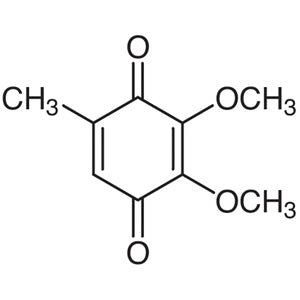
2,3-Dimethoxy-5-methyl-1,4-benzoquinone TCI D1956
Regular price From Rp 689.850,00Regular price -
2-Bromo-1,4-benzoquinone TCI B1601
Regular price From Rp 4.691.400,00Regular price -
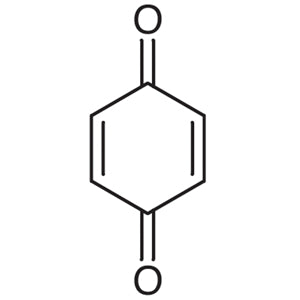
1,4-Benzoquinone TCI B0089
Regular price From Rp 769.650,00Regular price -
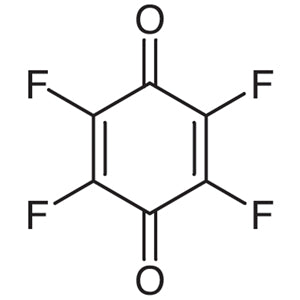
Tetrafluoro-1,4-benzoquinone TCI T0790
Regular price From Rp 1.405.950,00Regular price -
Methoxybenzoquinone TCI M1045
Regular price From Rp 3.630.900,00Regular price -
2,5-Dibromo-1,4-benzoquinone TCI D2249
Regular price From Rp 3.949.050,00Regular price -
2,6-Dimethyl-1,4-benzoquinone TCI D2234
Regular price From Rp 1.167.600,00Regular price -
2,5-Di-tert-amylbenzoquinone TCI D2152
Regular price Rp 5.089.350,00Regular price