2-Bromo-1,4-benzoquinone is a chemical compound widely used in scientific experiments and research within the field of materials science. This compound plays a crucial role in laboratory settings, particularly in the synthesis of organic compounds and the development of molecular conductors. Its unique chemical structure allows for high reactivity, making it an essential component in various chemical reactions. Due to its versatility, it is frequently employed in both academic and industrial research environments to explore new chemical pathways and material properties.
The compound’s reactivity is primarily attributed to its aromatic structure and the presence of bromine atoms, which make it highly susceptible to substitution and redox reactions. Its solubility in organic solvents further enhances its utility, as it facilitates easy handling and integration into experimental protocols. These properties make it a preferred choice for researchers aiming to manipulate molecular structures and develop advanced electronic materials.
In Indonesian laboratories, 2-Bromo-1,4-benzoquinone is a key reagent in the study of organic chemistry and electronic materials. It is commonly used in university research centers and material science laboratories to support experiments related to molecular conductivity and chemical synthesis. Its relevance is growing as more institutions focus on innovation in material science and chemical engineering.
TCI brochures (PDF)
- Molecular Conductors 2025-11-13 · p. 3
- Molecular Conductors Research: This compound is ideal for studying the electrical properties of organic materials due to its ability to participate in redox reactions and form conductive structures.
- Organic Synthesis: Its high reactivity and solubility make it a valuable reagent for synthesizing complex organic compounds through substitution and oxidation reactions.
- Redox Reaction Studies: The compound’s bromine atoms allow it to act as an electron acceptor, making it suitable for investigating redox mechanisms in electrochemical systems.
- Material Characterization: It is used in the development and testing of new electronic materials, providing insights into their chemical behavior and performance.
- Chemical Innovation Projects: Researchers use it to explore novel chemical pathways and create advanced materials for various industrial applications.
| Brand | TCI |
|---|---|
| CAS number | 3958-82-5 |
| Molecular formula | — |
| Purity | — |
| Category | Materials Science > Electronic Materials > Molecular Conductors |
| Pack sizes | Available in various quantities as per standard laboratory supply |
| Physical form | Solid |
| Storage | Requires protection from air and light |
This compound should be stored in a cool, dry place away from direct sunlight and sources of heat. It is recommended to use airtight containers to prevent exposure to moisture and air, which can lead to degradation. Due to its high reactivity, it should be handled in a well-ventilated area, ideally with appropriate personal protective equipment. Storage should be in a designated chemical storage cabinet to ensure safety and compliance with laboratory protocols. Regular monitoring of storage conditions is essential to maintain the compound’s integrity and ensure safe usage in experimental settings.
—
Produk Terkait
-
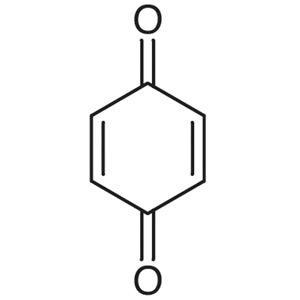
1,4-Benzoquinone TCI B0089
Regular price From Rp 822.150,00Regular priceRp 590.100,00Sale price From Rp 822.150,00 -
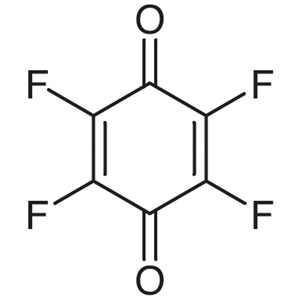
Tetrafluoro-1,4-benzoquinone TCI T0790
Regular price From Rp 1.458.450,00Regular priceRp 1.035.300,00Sale price From Rp 1.458.450,00 -
Methoxybenzoquinone TCI M1045
Regular price From Rp 3.683.400,00Regular priceRp 2.591.400,00Sale price From Rp 3.683.400,00 -
2,5-Dimethoxy-1,4-benzoquinone TCI D2250
Regular price From Rp 3.975.300,00Regular priceRp 2.795.100,00Sale price From Rp 3.975.300,00 -
2,5-Dibromo-1,4-benzoquinone TCI D2249
Regular price From Rp 4.001.550,00Regular priceRp 2.814.000,00Sale price From Rp 4.001.550,00 -
2,6-Dimethyl-1,4-benzoquinone TCI D2234
Regular price From Rp 1.220.100,00Regular priceRp 868.350,00Sale price From Rp 1.220.100,00 -
2,5-Di-tert-amylbenzoquinone TCI D2152
Regular price Rp 5.141.850,00Regular priceRp 3.610.950,00Sale price Rp 5.141.850,00 -
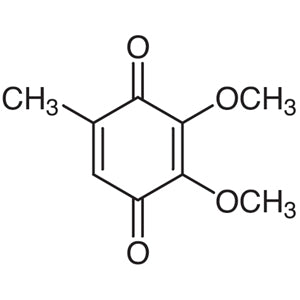
2,3-Dimethoxy-5-methyl-1,4-benzoquinone TCI D1956
Regular price From Rp 742.350,00Regular priceRp 534.450,00Sale price From Rp 742.350,00