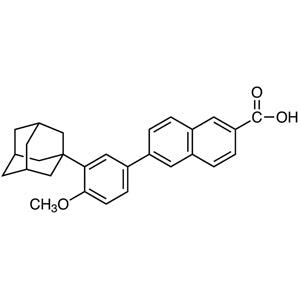
Dipyridamole is a chemical compound widely used in biochemical and pharmacological research. As a phosphodiesterase inhibitor, it plays a crucial role in studying enzyme mechanisms and their effects on molecular metabolism, such as cyclic AMP. This compound is essential for researchers exploring enzyme function and the impact of inhibitors on biological processes. Its versatility makes it a valuable tool in both basic and applied research settings, supporting a wide range of experimental approaches.
Dipyridamole is chemically stable and easily soluble in organic solvents such as ethyl acetate and acetone. These properties make it highly suitable for use in various chemical reactions and synthesis processes. Additionally, it exhibits good water solubility, which simplifies handling and processing in laboratory settings. Its consistent performance and reliability have made it a preferred choice among researchers in Indonesia, where it is frequently used in studies related to cardiovascular diseases, drug effects on the nervous system, and metabolic processes.
In Indonesian laboratories, Dipyridamole is commonly utilized in research focused on heart disease, drug interactions, and metabolic studies. Its availability and reliability ensure that it remains a key component in the toolkit of biochemists and pharmacologists. Its broad applicability and stable chemical properties contribute to its continued use in both academic and industrial research environments.
TCI brochures (PDF)
- Pharmaceutical Ingredients for Research and Experimental Use 2026-03-09 · p. 23
- Cardiovascular Research: Dipyridamole is used to study heart disease mechanisms due to its effect on phosphodiesterase activity and cyclic AMP levels.
- Drug Development: It serves as a research agent in the development of new pharmaceuticals, particularly in understanding enzyme inhibition and drug metabolism.
- Neuropharmacological Studies: Dipyridamole helps in investigating the impact of drugs on the nervous system by modulating enzyme activity and neurotransmitter levels.
- Metabolic Pathway Analysis: Its role as a phosphodiesterase inhibitor makes it useful in studying metabolic pathways and enzyme function in biological systems.
- Enzyme Inhibition Studies: It is widely used to explore the mechanisms of enzyme inhibition and the effects of inhibitors on biochemical processes.
| Brand | TCI |
|---|---|
| CAS number | 58-32-2 |
| Molecular formula | — |
| Purity | — |
| Category | Life Science > Biochemicals and Reagents > Enzymes, Enzyme Inhibitors, Enzyme Substrates |
| Pack sizes | Available in various quantities as per standard laboratory requirements |
| Physical form | Solid |
| Storage | Store in a cool, dry place away from light and moisture |
Dipyridamole should be stored in a cool, dry place, away from direct light and moisture to maintain its chemical stability. It is recommended to use airtight containers to prevent exposure to air and humidity, which could affect its solubility and purity. Due to its solubility in both organic and aqueous solvents, it should be handled with care to avoid contamination. In laboratory settings, it is important to follow standard safety protocols, including the use of personal protective equipment when handling the compound. Proper storage ensures that the material remains effective and suitable for use in a wide range of biochemical and pharmacological experiments.
—
Product Categories
- Biochemicals and ReagentsEnzymes, Enzyme Inhibitors, Enzyme SubstratesEnzyme Inhibitors [Biochemicals and Reagents]
- Biochemicals and ReagentsPharmaceutical Research Reagents (for Experimental Use)Antithrombotic Ingredients (for Research and Experimental Use)
- Biochemicals and ReagentsPharmaceutical Research Reagents (for Experimental Use)Pharmaceutical Research Reagents (Others)
- Biochemicals and Reagents
- Pharmaceutical Development and Drug Discovery ResearchPharmaceutical Research Reagents (for Experimental Use)Antithrombotic Ingredients (for Research and Experimental Use)
- Pharmaceutical Development and Drug Discovery ResearchPharmaceutical Research Reagents (for Experimental Use)Pharmaceutical Research Reagents (Others)
Produk Terkait
-
Cilostazol TCI C2587
Regular price From Rp 1.193.850,00Regular price -
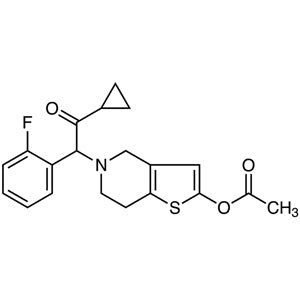
Prasugrel TCI P2040
Regular price Rp 3.180.450,00Regular priceRp 2.239.650,00Sale price Rp 3.180.450,00 -
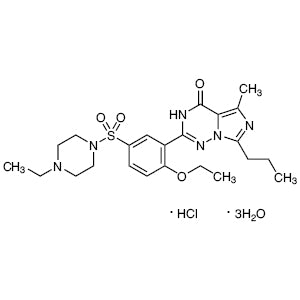
VardenafilHydrochlorideTrihydrate TCI V0174
Regular price Rp 1.829.100,00Regular priceRp 1.294.650,00Sale price Rp 1.829.100,00 -
Tadalafil TCI T4029
Regular price Rp 7.182.000,00Regular priceRp 5.037.900,00Sale price Rp 7.182.000,00 -
Brinzolamide TCI B4258
Regular price From Rp 2.677.500,00Regular price -
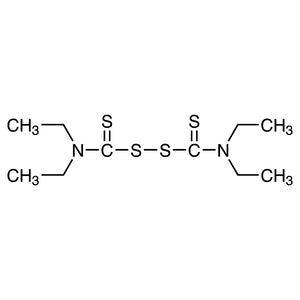
TetraethylthiuramDisulfide TCI B0479
Regular price From Rp 505.050,00Regular price -
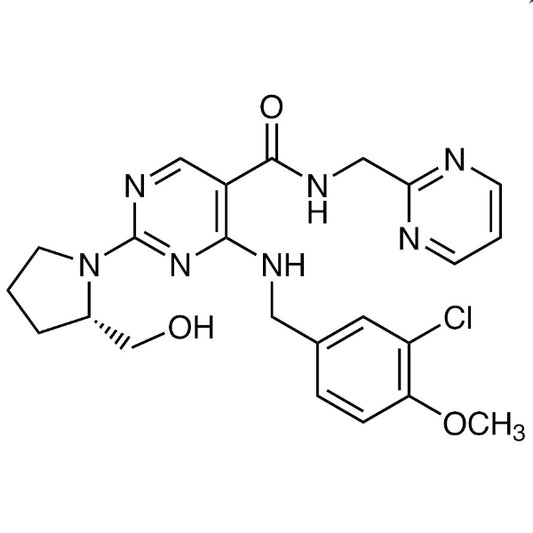
Avanafil TCI A3476
Regular price From Rp 1.749.300,00Regular price -
Adapalene TCI A2549
Regular price From Rp 2.227.050,00Regular price