4,4'-Difluorobenzil is a chemical compound widely used as a building block in the synthesis of complex organic molecules. Its aromatic structure, with two fluorine atoms positioned at the 4 and 4' positions on the benzene ring, makes it a versatile reagent in chemical research. In the laboratory, it serves as a fundamental component for constructing molecules with specific chemical properties, such as stability and reactivity. Its role is crucial in the development of new compounds and materials, where precise molecular design is required.
The compound’s unique properties, including its controlled reactivity and stable structure, make it a preferred choice for synthetic chemists. The presence of fluorine atoms influences the polarity and bond strength of the molecule, enabling it to participate in various chemical reactions, such as substitution and coupling reactions. Its ability to interact with different functional groups enhances its utility in molecular modification. These characteristics contribute to its popularity in both academic and industrial research settings.
In Indonesian laboratories, 4,4'-Difluorobenzil is commonly used in organic chemistry research, particularly in institutions focused on synthetic chemistry and pharmaceutical development. Its predictable behavior and compatibility with a wide range of reagents make it a reliable material for experimental work. Researchers rely on its consistent performance to achieve desired outcomes in their chemical processes and innovations.
TCI brochures (PDF)
- Fluorination Reagents, Fluorinated Building Blocks 2026-03-18 · p. 13
Related TCI products
- TCI D4440 3457-46-3 4,4'-Dichlorobenzil
- TCI T0933 15721-02-5 2,2',5,5'-Tetrachlorobenzidine
- TCI D5146 6478-73-5 5,6-Dichlorobenzimidazole
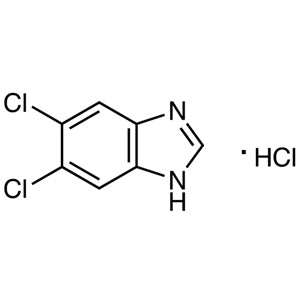
- TCI D4295 1087737-96-9 5,6-Dichlorobenzimidazole Hydrochloride
- TCI D4292 53-85-0 5,6-Dichlorobenzimidazole 1-beta-D-Ribofuranoside
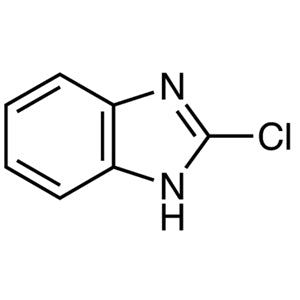
- TCI C1719 4857-06-1 2-Chlorobenzimidazole
- Organic synthesis applications benefit from 4,4'-Difluorobenzil’s ability to form stable intermediates in complex molecule construction.
- Fluorinated compound development leverages its unique fluorine positioning for tailored molecular properties and reactivity.
- Coupling reactions utilize its reactivity to connect diverse functional groups efficiently in synthetic pathways.
- Pharmaceutical research employs it to create molecules with enhanced stability and bioavailability through strategic fluorination.
- Molecular modification projects rely on its compatibility with various reagents to alter molecular structures with precision.
| Brand | TCI |
|---|---|
| CAS number | 579-39-5 |
| Molecular formula | — |
| Purity | — |
| Category | Chemistry > Building Blocks > Fluorinated Building Blocks |
| Pack sizes | Available in standard laboratory quantities |
| Physical form | Solid |
| Storage | Store in a cool, dry place away from light and moisture |
4,4'-Difluorobenzil should be stored in a cool, dry environment, away from direct light and moisture to maintain its chemical integrity. It is recommended to use airtight containers made of glass or inert plastic to prevent contamination and degradation. Due to its stable nature, it does not require refrigeration but should be protected from potential reactive substances. In a laboratory setting, it is important to handle the compound with care, using appropriate personal protective equipment to ensure safety. Regular inspection of storage conditions ensures that the material remains suitable for use in chemical experiments and research.
—
Produk Terkait
-
4,4'-Dichlorobenzil TCI D4440
Regular price From Rp 1.060.500,00Regular price -
2,2',5,5'-Tetrachlorobenzidine TCI T0933
Regular price Rp 955.500,00Regular price -
5,6-Dichlorobenzimidazole TCI D5146
Regular price From Rp 3.075.450,00Regular price -
5,6-DichlorobenzimidazoleHydrochloride TCI D4295
Regular price From Rp 1.590.750,00Regular price -
5,6-Dichlorobenzimidazole1-beta-D-Ribofuranoside TCI D4292
Regular price From Rp 3.048.150,00Regular price -
2-Chlorobenzimidazole TCI C1719
Regular price Rp 1.644.300,00Regular price -
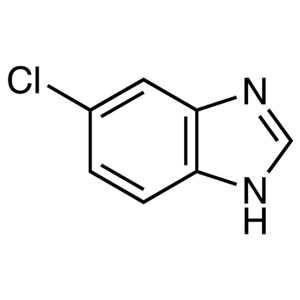
5-Chlorobenzimidazole TCI C0130
Regular price From Rp 3.392.550,00Regular price