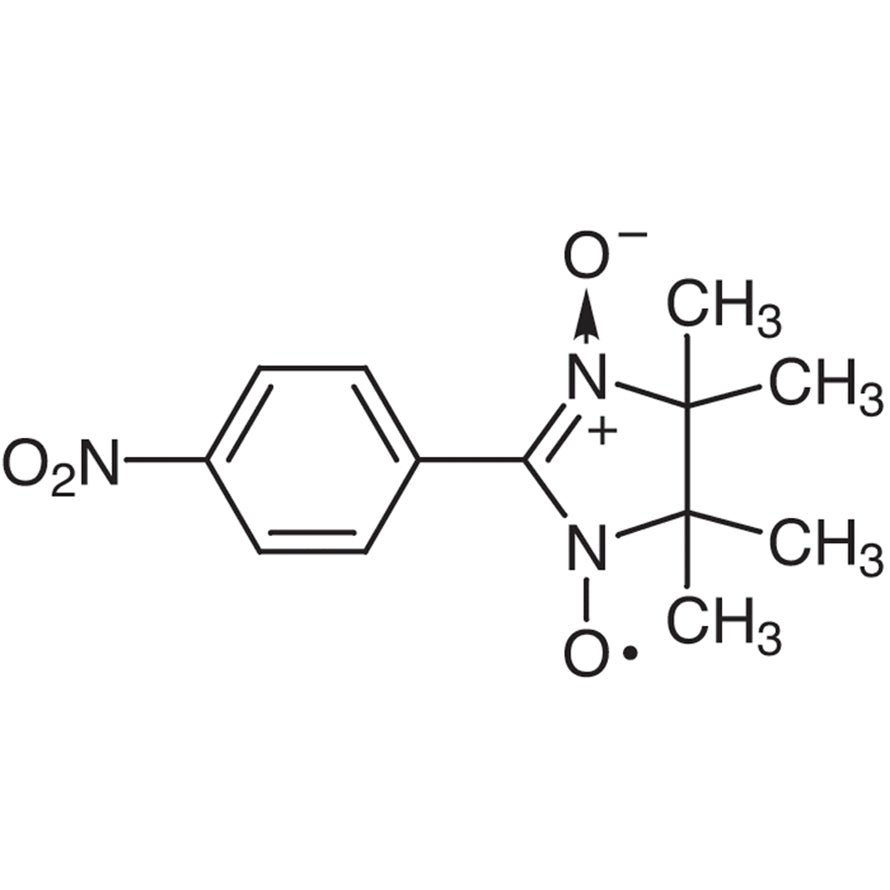
This material, 2-(4-Nitrophenyl)-4,4,5,5-tetramethylimidazoline-3-oxide-1-oxyl free radical, is a specialized organic radical used in materials science research. It plays a crucial role in laboratory settings where the study of magnetic properties and chemical reactivity is essential. As an organic free radical, it is known for its unique chemical structure that allows it to participate in various experimental processes. Its stability and reactivity make it a valuable tool for researchers exploring the behavior of free radicals in magnetic systems.
The compound's chemical structure includes a nitro group, which contributes to its stability while maintaining reactivity. This combination of properties makes it a preferred choice for experiments involving magnetic materials and free radicals. Its ability to interact with magnetic substances enables detailed studies on how free radicals influence magnetic behavior. The presence of the nitro group also enhances its chemical versatility, allowing it to be used in a wide range of applications.
In Indonesian laboratories, this material is commonly used in material science research, particularly in the fields of magnetism and organic chemistry. It is frequently employed by researchers developing new materials or investigating chemical reaction mechanisms. Its relevance extends to studies that require understanding the effects of free radicals on material properties. The compound is a key component in experiments aimed at advancing knowledge in both fundamental and applied research.
Related TCI products
- TCI A5440 18390-00-6 PTIO (=2-Phenyl-4,4,5,5-tetramethylimidazoline-3-oxide-1-oxyl) [Stable free radical reagent for the simultaneous determination of NO and NO2 in the atmosphere]
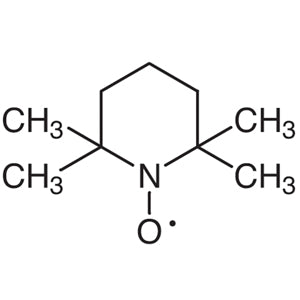
- TCI T1560 2564-83-2 2,2,6,6-Tetramethylpiperidine 1-Oxyl Free Radical
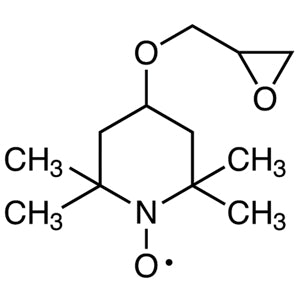
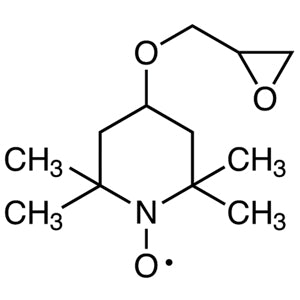
- TCI G0555 122413-85-8 4-Glycidyloxy-2,2,6,6-tetramethylpiperidine 1-Oxyl Free Radical
- TCI G0020 2370-18-5 Galvinoxyl Free Radical
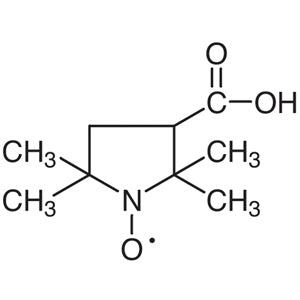
- TCI C1406 2154-68-9 3-Carboxy-2,2,5,5-tetramethylpyrrolidine 1-Oxyl Free Radical
- TCI A3012 27776-21-2 2,2'-Azobis[2-(2-imidazolin-2-yl)propane] Dihydrochloride
- Magnetic Material Characterization: This free radical is ideal for studying how magnetic materials respond to the presence of free radicals, enabling detailed analysis of magnetic behavior under different conditions.
- Organic Chemistry Research: Its reactivity and stability make it suitable for experiments involving radical reactions, contributing to the understanding of chemical mechanisms in organic systems.
- Radical-Magnetic Interaction Studies: It is used to investigate the interaction between free radicals and magnetic substances, providing insights into the influence of radicals on magnetic properties.
- Material Development: Researchers use it to develop new materials with specific magnetic or chemical properties, leveraging its unique reactivity and stability.
- Advanced Spectroscopic Analysis: Its chemical structure allows it to be used in spectroscopic techniques to study the behavior of free radicals in complex systems.
| Brand | TCI |
|---|---|
| CAS number | 38582-73-9 |
| Molecular formula | — |
| Purity | — |
| Category | Materials Science > Magnetic Materials > Organic Radicals |
| Pack sizes | Available in standard laboratory quantities |
| Physical form | Solid powder |
| Storage | Store in a cool, dry place away from light and incompatible substances |
This material should be stored in a cool, dry place, away from direct light and incompatible substances to maintain its chemical stability. It is recommended to use airtight containers to prevent exposure to moisture and air, which could affect its reactivity. Due to its organic nature, it should be handled with care in a well-ventilated laboratory environment. Appropriate personal protective equipment, such as gloves and safety goggles, should be worn during handling to ensure safety. The material is not classified as hazardous under standard laboratory conditions, but standard laboratory safety protocols should be followed to prevent accidental exposure. Proper labeling and storage are essential to ensure safe handling and use in research settings.
—
Product Categories
Produk Terkait
-
PTIO(=2-Phenyl-4,4,5,5-tetramethylimidazoline-3-oxide-1-oxyl)[StablefreeradicalreagentforthesimultaneousdeterminationofNOandNO2intheatmosphere] TCI A5440
Regular price From Rp 3.658.200,00Regular price -
2,2,6,6-Tetramethylpiperidine1-OxylFreeRadical TCI T1560
Regular price From Rp 1.590.750,00Regular price -
4-Glycidyloxy-2,2,6,6-tetramethylpiperidine1-OxylFreeRadical TCI G0555
Regular price From Rp 1.326.150,00Regular price -
GalvinoxylFreeRadical TCI G0020
Regular price From Rp 3.922.800,00Regular price -
3-Carboxy-2,2,5,5-tetramethylpyrrolidine1-OxylFreeRadical TCI C1406
Regular price Rp 5.407.500,00Regular price -
2,2'-Azobis[2-(2-imidazolin-2-yl)propane]Dihydrochloride TCI A3012
Regular price From Rp 1.035.300,00Regular price -
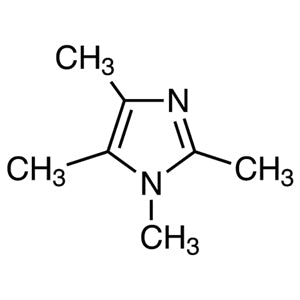
1,2,4,5-Tetramethylimidazole TCI T0971
Regular price From Rp 6.333.600,00Regular price -
2-Propyl-2-imidazoline TCI P1164
Regular price Rp 4.902.450,00Regular price
![18390-00-6 PTIO (=2-Phenyl-4,4,5,5-tetramethylimidazoline-3-oxide-1-oxyl) [Stable free radical reagent for the simultaneous determination of NO and NO2 in the atmosphere] - AMI Scientific](http://amiscientific.com/cdn/shop/files/TCI2510A5440.jpg?v=1769144865&width=533)

![27776-21-2 2,2'-Azobis[2-(2-imidazolin-2-yl)propane] Dihydrochloride - AMI Scientific](http://amiscientific.com/cdn/shop/files/TCI2510A3012.jpg?v=1767083705&width=533)