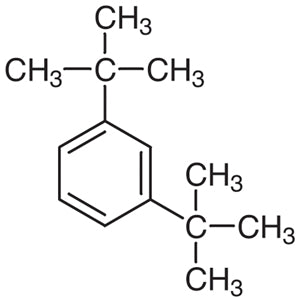
1,3-Di-tert-butylbenzene is an organic compound widely used in chemical reactions for the synthesis of complex molecules. It is a key building block in organic chemistry, known for its aromatic structure and the presence of two tert-butyl groups at positions 1 and 3 on the benzene ring. This compound plays a crucial role in laboratory settings, particularly in research involving synthetic pathways and functional group modifications. Due to its chemical stability and controlled reactivity, it is a reliable choice for various experimental applications.
The compound’s chemical stability, good solubility in organic solvents, and non-polar nature make it a preferred choice for many laboratory processes. Its resistance to degradation and high boiling point allow it to be used in reactions requiring specific thermal conditions. These properties ensure that it remains effective throughout the synthesis process, reducing the risk of unwanted side reactions. Its non-polar character also makes it suitable for use in a wide range of solvent systems, enhancing its versatility in chemical applications.
In Indonesian laboratories, 1,3-Di-tert-butylbenzene is commonly used in organic chemistry research, compound synthesis, and the development of chemical materials for industrial applications. It is especially relevant for universities and research institutions focusing on chemical innovation and pharmaceutical development. Its consistent performance and reliability make it an essential component in both academic and industrial chemical laboratories.
- Organic synthesis reactions benefit from its stable structure and controlled reactivity, making it ideal for complex molecule creation.
- Pharmaceutical research utilizes it as a building block for drug development and compound modification.
- Industrial chemical production relies on its solubility and non-polar nature for efficient manufacturing processes.
- Material science applications use it in the formulation of polymers and specialty chemicals for various industries.
- Research laboratories employ it for functional group transformations and structural modifications in synthetic chemistry.
| Brand | TCI |
|---|---|
| CAS number | 1014-60-4 |
| Molecular formula | — |
| Purity | — |
| Category | Chemistry > Building Blocks > Non-Heterocyclic Building Blocks |
| Pack sizes | Available in various quantities as per standard laboratory supply |
| Physical form | Liquid |
| Storage | Store in a cool, dry place away from direct sunlight and incompatible materials |
This compound should be stored in a cool, dry environment, away from direct sunlight and sources of heat. It is recommended to use sealed containers made of materials compatible with organic solvents to prevent evaporation and contamination. Due to its non-polar nature, it should not be stored near reactive or corrosive substances. Laboratory personnel should handle it with appropriate personal protective equipment, including gloves and safety goggles, to ensure safe usage. Proper ventilation is also essential when working with this compound to minimize exposure risks. Regular inspection of storage conditions is advised to maintain its integrity and ensure safe laboratory practices.
—
Produk Terkait
-
1,3,5-Tri-tert-butylbenzene TCI T1633
Regular price From Rp 1.378.650,00Regular price -
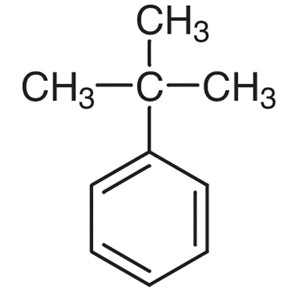
tert-Butylbenzene TCI B0715
Regular price From Rp 505.050,00Regular price -
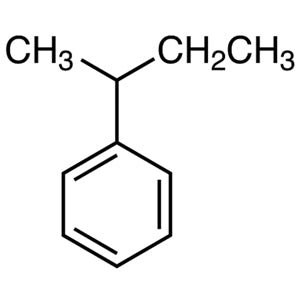
sec-Butylbenzene TCI B0714
Regular price From Rp 637.350,00Regular price -
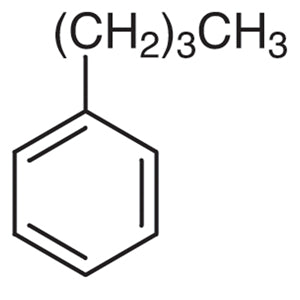
Butylbenzene TCI B0713
Regular price From Rp 875.700,00Regular price -
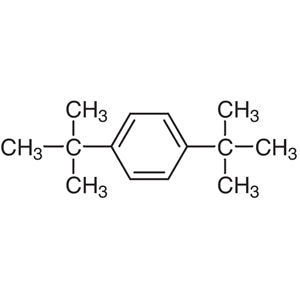
1,4-Di-tert-butylbenzene TCI D2111
Regular price From Rp 903.000,00Regular price -
Isobutylbenzene TCI I0097
Regular price Rp 637.350,00Regular price -
1,4-Dibutylbenzene TCI D2781
Regular price From Rp 3.683.400,00Regular price -
4-tert-Butylbenzenesulfonamide TCI B3837
Regular price Rp 1.035.300,00Regular price