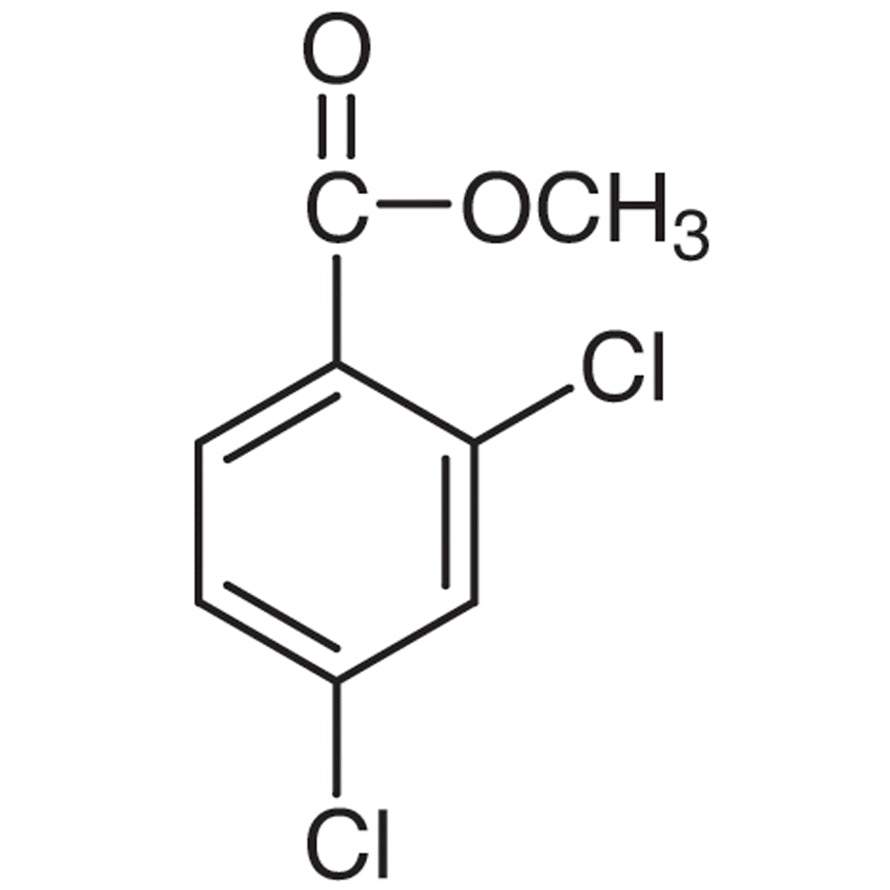
Methyl 2,4-Dichlorobenzoate is a chemical compound widely used in organic reactions for the synthesis of complex molecules. As a key building block in chemical laboratories, it plays a crucial role in various synthetic pathways, particularly in substitution and esterification reactions. This compound is commonly utilized in both academic and industrial settings for its reactivity and versatility. Its presence in laboratory workflows supports the development of aromatic compounds and their derivatives, making it an essential component for researchers working in organic chemistry.
The compound’s stability and solubility in organic solvents such as ethyl acetate and chloroform make it a preferred choice for many chemical processes. Its ability to participate in high-reactivity chemical reactions ensures its effectiveness in a wide range of synthetic applications. The compound’s chemical properties allow it to act as a precursor for the synthesis of more complex molecules, which is highly valuable in pharmaceutical and material science research. These characteristics contribute to its widespread use in both research and development environments.
In Indonesian laboratories, Methyl 2,4-Dichlorobenzoate is extensively used in chemical research, particularly in organic synthesis, analytical chemistry, and drug development. It is a common reagent in academic institutions and research centers, supporting experimental work and the creation of new chemical products. Its reliability and performance in laboratory settings make it a trusted material for both educational and industrial applications.
- Synthesis of complex aromatic compounds for pharmaceutical research due to its reactivity and structural versatility.
- Esterification reactions in organic chemistry laboratories because of its solubility in organic solvents and chemical stability.
- Development of new chemical products in research and development settings due to its role as a building block for more complex molecules.
- Analytical chemistry experiments where its chemical properties aid in the identification and characterization of other compounds.
- Drug development processes where it contributes to the synthesis of active pharmaceutical ingredients through substitution reactions.
| Brand | TCI |
|---|---|
| CAS number | 35112-28-8 |
| Molecular formula | — |
| Purity | — |
| Category | Chemistry > Building Blocks > Non-Heterocyclic Building Blocks |
| Pack sizes | Available in standard laboratory quantities |
| Physical form | Solid |
| Storage | Store in a cool, dry place away from light and moisture |
Methyl 2,4-Dichlorobenzoate should be stored in a cool, dry place away from direct light and moisture to maintain its chemical stability. It is recommended to use airtight containers to prevent exposure to air and contaminants. In laboratory settings, it should be handled with appropriate personal protective equipment, such as gloves and safety goggles, to ensure safety. The compound is non-hazardous under normal conditions but should be kept away from incompatible materials. Proper labeling and storage are essential to prevent cross-contamination and ensure safe handling in chemical laboratories.
—
Produk Terkait
-
Ethyl5-Bromo-2-chlorobenzoate TCI B2255
Regular price From Rp 928.200,00Regular price -
Methyl2-Bromo-5-nitrobenzoate TCI B1916
Regular price From Rp 610.050,00Regular price -
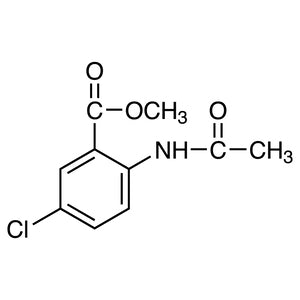
Methyl2-Acetamido-5-chlorobenzoate TCI A1609
Regular price Rp 769.650,00Regular price -
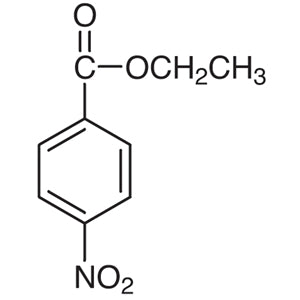
Ethyl4-Nitrobenzoate TCI N0485
Regular price Rp 743.400,00Regular price -
Methyl4-Nitrobenzoate TCI N0159
Regular price Rp 1.298.850,00Regular price -
Methyl2-Nitrobenzoate TCI N0158
Regular price Rp 1.115.100,00Regular price -
Methyl3-Nitrobenzoate TCI N0157
Regular price Rp 980.700,00Regular price -
Methyl4-Hydroxy-3-nitrobenzoate TCI M3649
Regular price From Rp 848.400,00Regular price