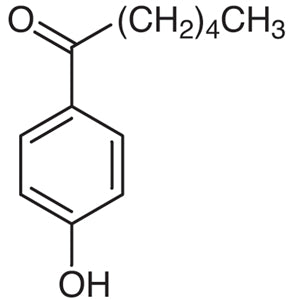
1,6-Dimethoxyhexane is a chemical compound widely used as a building block in various laboratory reactions. It serves as a versatile intermediate in organic synthesis, enabling the creation of more complex molecules through functional group modifications. This compound is particularly valuable in research settings where controlled chemical transformations are required. Its molecular structure allows for compatibility with a wide range of reagents, making it a fundamental component in synthetic chemistry workflows.
The compound is known for its chemical stability and predictable behavior under laboratory conditions. It does not exhibit excessive reactivity, which ensures safety during handling and use. Its relatively high boiling and melting points provide ease of manipulation during heating and cooling processes. These properties make it a reliable choice for experiments that require precise temperature control. Additionally, its non-heterocyclic nature simplifies its integration into synthetic pathways without unwanted side reactions.
In Indonesian laboratories, 1,6-Dimethoxyhexane is commonly used in organic chemistry research, especially in the synthesis of complex compounds. It is also utilized in educational settings to teach fundamental concepts of chemical synthesis and reaction mechanisms. Its availability and reliability make it a preferred material for both academic and industrial research applications in the region.
- Organic synthesis is a primary application where 1,6-Dimethoxyhexane is used to build complex molecules through substitution and addition reactions due to its functional group compatibility.
- Educational laboratories benefit from its use in teaching chemical synthesis techniques, allowing students to understand reaction mechanisms and molecular structure.
- Industrial research settings employ it for the development of new compounds, leveraging its stability and predictable chemical behavior in controlled environments.
- Analytical chemistry applications often use it as a standard reference material for testing reaction efficiency and purity in synthetic processes.
- Pharmaceutical research utilizes it in the synthesis of drug-related compounds, where controlled chemical transformations are essential for producing target molecules.
| Brand | TCI |
|---|---|
| CAS number | 13179-98-1 |
| Molecular formula | — |
| Purity | — |
| Category | Chemistry > Building Blocks > Non-Heterocyclic Building Blocks |
| Pack sizes | Available in various quantities as per standard laboratory supply specifications |
| Physical form | Liquid |
| Storage | Store in a cool, dry place away from direct sunlight and incompatible materials |
1,6-Dimethoxyhexane should be stored in a cool, dry environment to maintain its chemical stability. It is recommended to keep it in tightly sealed containers to prevent evaporation and contamination. The compound should be stored away from strong oxidizing agents and reactive materials to ensure safety. Due to its liquid form, it is best kept in glass or high-density polyethylene containers to avoid any risk of leakage. Regular monitoring of storage conditions is advised to ensure the integrity of the material. Proper ventilation is essential when handling the compound to minimize exposure risks in laboratory settings.
—
Produk Terkait
-
1,2-Epoxyhexane TCI E0445
Regular price Rp 1.193.850,00Regular price -
Methoxyhydroquinone TCI M0539
Regular price From Rp 1.115.100,00Regular price -
Methyl6-Hydroxyhexanoate TCI H1938
Regular price From Rp 1.538.250,00Regular price -
4'-Hydroxyhexanophenone TCI H0884
Regular price Rp 2.306.850,00Regular price -
Ethyl6-Hydroxyhexanoate TCI E1305
Regular price From Rp 3.100.650,00Regular price -
Ethyl3-Hydroxyhexanoate TCI E0788
Regular price From Rp 2.545.200,00Regular price