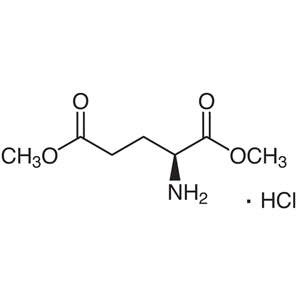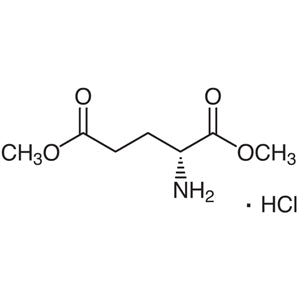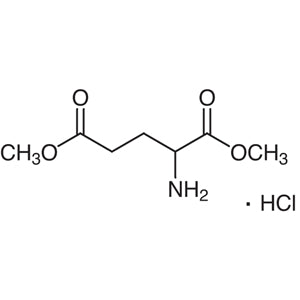
Dimethyl DL-Glutamate Hydrochloride (DMG-HCl) is a chemical compound widely used in laboratory settings for its versatility in chemical and biochemical experiments. This compound plays a key role in organic synthesis and the study of biological activities of various substances. It is commonly utilized as a building block for the creation of other compounds or as a substrate in enzymatic reactions. Its stability and reactivity make it an essential tool for researchers working in the fields of chemistry and biochemistry.
DMG-HCl is preferred due to its excellent solubility in water and its ability to react under various chemical conditions. These properties allow it to be used in a wide range of experimental setups, from basic chemical reactions to complex biochemical processes. Its high purity and consistent physical form ensure reliable results in scientific research. Additionally, its stability in controlled laboratory environments enhances its suitability for precise and reproducible experiments.
In Indonesian laboratories, DMG-HCl is frequently used in research related to chemistry, biochemistry, and pharmaceutical development. Its reliability and availability make it a popular choice among scientists and researchers. The compound is also used in educational institutions for teaching and experimental purposes, supporting both academic and industrial research efforts.
- Organic synthesis applications benefit from DMG-HCl’s reactivity and solubility, enabling the creation of complex molecules with high precision.
- Enzymatic reaction studies utilize DMG-HCl as a substrate, allowing researchers to investigate enzyme mechanisms and catalytic processes.
- Biochemical research relies on DMG-HCl for its role in studying the biological activities of compounds, aiding in drug development and metabolic pathway analysis.
- Educational laboratories use DMG-HCl for teaching chemical reactions and biochemical processes, providing hands-on learning experiences for students.
- Pharmaceutical research incorporates DMG-HCl in the development of new drugs, leveraging its chemical properties for compound modification and testing.
| Brand | TCI |
|---|---|
| CAS number | 13515-99-6 |
| Molecular formula | — |
| Purity | — |
| Category | Chemistry > Chemical Biology > Peptide Chemistry |
| Pack sizes | Available in various quantities as per supplier specifications |
| Physical form | Solid powder |
| Storage | Store in a cool, dry place away from moisture and direct sunlight |
DMG-HCl should be stored in a cool, dry environment to maintain its stability and prevent degradation. It is recommended to keep the compound in airtight containers to avoid moisture exposure, which can affect its chemical integrity. Proper labeling of storage containers is essential for safety and traceability. In laboratory settings, it is important to handle the compound with appropriate personal protective equipment, such as gloves and safety goggles, to ensure safe handling. Avoid exposure to high temperatures and direct sunlight to preserve its chemical properties. Regular inspection of storage conditions ensures that the compound remains suitable for use in scientific experiments.
—
Produk Terkait
-
DimethylL-GlutamateHydrochloride TCI D3353
Regular price From Rp 1.035.300,00Regular price -
DimethylD-GlutamateHydrochloride TCI D3560
Regular price From Rp 1.696.800,00Regular price -
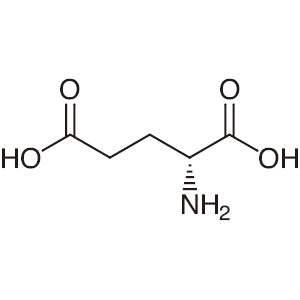
D-GlutamicAcid TCI G0057
Regular price From Rp 1.829.100,00Regular price -
DL-GlutamicAcid TCI G0058
Regular price From Rp 1.298.850,00Regular price -
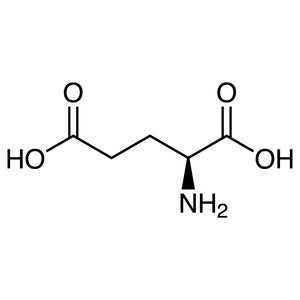
L-GlutamicAcid TCI G0059
Regular price From Rp 477.750,00Regular price -
L-GlutamicAcidHydrochloride TCI G0060
Regular price From Rp 505.050,00Regular price -
beta-GlutamicAcidHydrochloride TCI G0435
Regular price Rp 8.718.150,00Regular price -
5,5-Dimethyl-2,4-oxazolidinedione TCI D0003
Regular price From Rp 1.510.950,00Regular price