9,9-Dimethylfluorene-2-carboxylic Acid is a chemical compound widely used in organic synthesis reactions. It serves as a fundamental building block in the creation of complex molecules, offering versatility in chemical modification through functional groups such as carboxylic acid. Its stable core structure allows for predictable and controllable chemical behavior, making it a reliable reagent in synthetic processes. This compound is particularly valuable in laboratories where precision and reproducibility are essential.
The compound's chemical properties, including good solubility in organic solvents like ethyl acetate and acetone, enhance its usability in various synthetic procedures. Its thermal stability and reactivity in esterification and nucleophilic reactions further contribute to its popularity. These characteristics make it an ideal choice for researchers aiming to develop new compounds with specific functional properties.
In Indonesian laboratories, 9,9-Dimethylfluorene-2-carboxylic Acid is commonly used in organic chemistry research. It is frequently found in academic and research institutions where scientists work on drug development, material science, and synthetic chemistry projects. Its availability and chemical properties support a wide range of experimental applications, making it a key reagent in the chemical research landscape of Indonesia.
TCI brochures (PDF)
- Fluorenes and Fluorenones 2026-04-15 · p. 3
Related TCI products
- TCI A0504 117-78-2 Anthraquinone-2-carboxylic Acid
- TCI T4149 53440-12-3 1,2,3,4-Tetrahydronaphthalene-2-carboxylic Acid
- TCI T2903 1914-65-4 1,2,3,4-Tetrahydronaphthalene-1-carboxylic Acid
- TCI T2672 4242-18-6 5,6,7,8-Tetrahydronaphthalene-1-carboxylic Acid
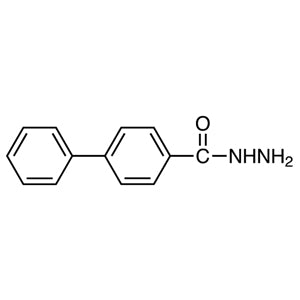
- TCI B4350 18622-23-6 Biphenyl-4-carboxylic Hydrazide
- TCI B3850 716-76-7 Biphenyl-3-carboxylic Acid
- Organic synthesis is a primary application where this compound is used to build complex molecules due to its stable fluorene core and reactive carboxylic acid group.
- Pharmaceutical research benefits from its use in the development of new drug compounds, as it can be modified to create diverse molecular structures.
- Material science applications leverage its chemical versatility for creating advanced polymers and functional materials with specific properties.
- Academic research in chemistry utilizes it as a standard building block for teaching and experimental studies in synthetic methodologies.
- Analytical chemistry laboratories use it as a reference standard for testing and calibrating chemical instruments and procedures.
| Brand | TCI |
|---|---|
| CAS number | 28320-62-9 |
| Molecular formula | — |
| Purity | — |
| Category | Chemistry > Building Blocks > Non-Heterocyclic Building Blocks |
| Pack sizes | Available in various quantities as per standard chemical supply practices |
| Physical form | Solid, typically in crystalline or powder form |
| Storage | Store in a cool, dry place away from direct sunlight and moisture |
This compound should be stored in a cool, dry environment to maintain its chemical integrity and prevent degradation. It is recommended to use airtight containers to protect it from moisture and air exposure. Due to its chemical nature, it should be handled with appropriate personal protective equipment, such as gloves and safety goggles, to ensure laboratory safety. Storage conditions should avoid extreme temperatures and direct sunlight to maintain stability. Proper labeling of containers is essential for safe handling and identification. Regular inspection of storage conditions ensures the compound remains suitable for use in laboratory applications.
—
Produk Terkait
-
Anthraquinone-2-carboxylicAcid TCI A0504
Regular price From Rp 2.942.100,00Regular priceRp 2.072.700,00Sale price From Rp 2.942.100,00 -
1,2,3,4-Tetrahydronaphthalene-2-carboxylicAcid TCI T4149
Regular price From Rp 2.411.850,00Regular priceRp 1.702.050,00Sale price From Rp 2.411.850,00 -
1,2,3,4-Tetrahydronaphthalene-1-carboxylicAcid TCI T2903
Regular price From Rp 1.618.050,00Regular priceRp 1.146.600,00Sale price From Rp 1.618.050,00 -
5,6,7,8-Tetrahydronaphthalene-1-carboxylicAcid TCI T2672
Regular price From Rp 3.551.100,00Regular priceRp 2.499.000,00Sale price From Rp 3.551.100,00 -
Biphenyl-4-carboxylicHydrazide TCI B4350
Regular price Rp 1.696.800,00Regular priceRp 1.202.250,00Sale price Rp 1.696.800,00 -
Biphenyl-3-carboxylicAcid TCI B3850
Regular price From Rp 900.900,00Regular priceRp 645.750,00Sale price From Rp 900.900,00 -
cis-2-[[2-(Acryloyloxy)ethoxy]carbonyl]cyclohexane-1-carboxylicAcid(stabilizedwithMEHQ) TCI A3510
Regular price From Rp 664.650,00Regular priceRp 464.100,00Sale price From Rp 664.650,00