Biphenyl-3-carboxylic Acid (BCA) is a chemical compound widely used in laboratory settings for the synthesis of complex molecules. As a building block in organic chemistry, it serves as a versatile precursor for the creation of both heterocyclic and non-heterocyclic compounds. Its stable molecular structure allows it to participate in various chemical reactions, making it a valuable tool for researchers. BCA is commonly found in organic synthesis processes, especially in the development of aromatic and carbon chain-based compounds. Its role in the laboratory extends to the preparation of pharmaceutical intermediates and other specialized chemical products.
The chemical properties of BCA make it a preferred choice for laboratory use. It exhibits neutral chemical behavior and does not react spontaneously under normal conditions, ensuring stability during storage and experimentation. This characteristic is crucial for maintaining the integrity of chemical reactions. Additionally, BCA has a high melting point, which allows it to be stored under standard laboratory conditions without structural degradation. Its stability and reactivity profile make it suitable for use in a wide range of chemical applications.
In Indonesian laboratories, BCA is frequently used in organic chemistry research, particularly in academic and research institutions. Its availability and reliability as a building block make it a popular choice for complex synthesis projects. Researchers rely on BCA for its consistent performance and compatibility with various chemical processes, contributing to the advancement of chemical studies in the region.
Related TCI products
- Synthesis of heterocyclic compounds for pharmaceutical development due to its stable molecular structure and reactivity.
- Organic synthesis of aromatic and carbon chain-based compounds as a reliable building block for complex molecule creation.
- Esterification reactions where BCA's neutral chemical properties ensure predictable and controlled reaction outcomes.
- Development of chemical intermediates in drug synthesis due to its compatibility with various reaction conditions.
- Research in medicinal chemistry for the preparation of compounds used in drug formulation and testing.
| Brand | TCI |
|---|---|
| CAS number | 716-76-7 |
| Molecular formula | — |
| Purity | — |
| Category | Chemistry > Building Blocks > Non-Heterocyclic Building Blocks |
| Pack sizes | Available in standard laboratory quantities as per supplier specifications |
| Physical form | Solid |
| Storage | Store in a cool, dry place away from direct sunlight and moisture |
Biphenyl-3-carboxylic Acid should be stored in a cool, dry environment to maintain its chemical stability. It is recommended to keep it in a sealed container to prevent exposure to moisture and air. As a solid material, it does not require special containment beyond standard laboratory storage practices. Laboratory personnel should handle the compound with care, using appropriate personal protective equipment when necessary. Since it does not react spontaneously, it is safe to store alongside other non-reactive chemicals. Proper labeling of storage containers is essential for safe handling and easy identification. Regular inspection of storage conditions ensures the compound remains in optimal condition for use in chemical experiments.
—
Produk Terkait
-
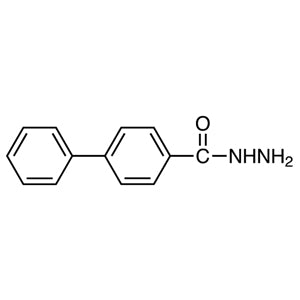
Biphenyl-4-carboxylicHydrazide TCI B4350
Regular price Rp 1.696.800,00Regular priceRp 1.202.250,00Sale price Rp 1.696.800,00 -
Biphenyl-4-carboxylicAcid TCI P0961
Regular price From Rp 1.060.500,00Regular priceRp 757.050,00Sale price From Rp 1.060.500,00 -
Biphenyl-2-carboxylicAcid TCI P0906
Regular price From Rp 1.801.800,00Regular priceRp 1.275.750,00Sale price From Rp 1.801.800,00 -
Biphenyl-3-carboxaldehyde TCI B4186
Regular price From Rp 1.776.600,00Regular priceRp 1.242.150,00Sale price From Rp 1.776.600,00 -
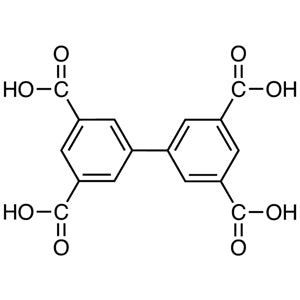
Biphenyl-3,3',5,5'-tetracarboxylicAcid TCI B3792
Regular price Rp 3.949.050,00Regular priceRp 2.761.500,00Sale price Rp 3.949.050,00 -
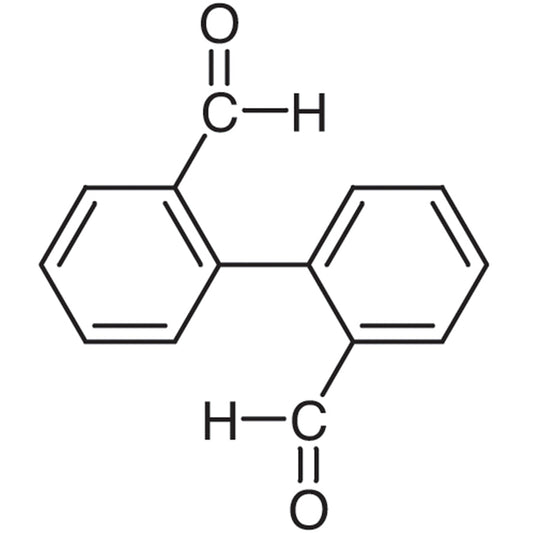
Biphenyl-2,2'-dicarboxaldehyde TCI B2056
Regular price Rp 4.028.850,00Regular priceRp 2.817.150,00Sale price Rp 4.028.850,00 -
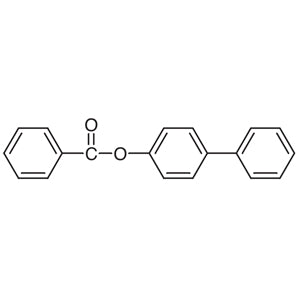
4-BiphenylBenzoate TCI B1866
Regular price From Rp 1.272.600,00Regular priceRp 905.100,00Sale price From Rp 1.272.600,00 -
Biphenyl-4-carboxaldehyde TCI B0242
Regular price From Rp 610.050,00Regular priceRp 426.300,00Sale price From Rp 610.050,00