Biphenyl-3-carboxaldehyde is a chemical compound widely used as a building block in the synthesis of complex organic molecules. Its role in the laboratory is critical, particularly in reactions that involve carbon-carbon bond formation or substitution reactions. As a key component in the category of non-heterocyclic building blocks, it serves as a versatile tool for researchers aiming to develop new compounds. This compound is essential in various fields, including pharmaceuticals, materials science, and chemical industries, where the creation of stable and complex molecular structures is required.
The compound's unique molecular structure, consisting of two benzene rings connected by a single carbon atom, makes it highly suitable for functional group transformations and the synthesis of heterocyclic compounds. Its moderate reactivity and good solubility in organic solvents make it a preferred choice for laboratory applications. These properties ensure that it can be used effectively in a wide range of chemical processes without excessive degradation or unwanted side reactions.
In Indonesian laboratories, Biphenyl-3-carboxaldehyde is extensively utilized in both fundamental and applied chemical research. It is commonly found in academic and industrial settings where the development of new materials and pharmaceuticals is the focus. Its reliability and compatibility with various synthetic methods make it a go-to compound for researchers seeking to explore complex molecular structures and functional modifications.
Related TCI products
- TCI B0242 3218-36-8 Biphenyl-4-carboxaldehyde
- TCI B6334 1203-68-5 [1,1'-Biphenyl]-2-carboxaldehyde
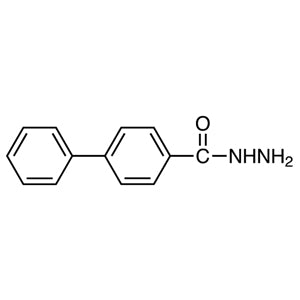
- TCI B4350 18622-23-6 Biphenyl-4-carboxylic Hydrazide
- TCI B3850 716-76-7 Biphenyl-3-carboxylic Acid
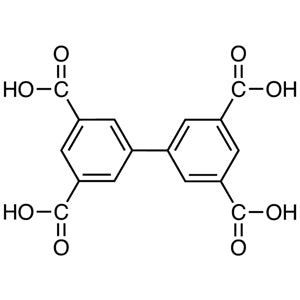
- TCI B3792 4371-28-2 Biphenyl-3,3',5,5'-tetracarboxylic Acid
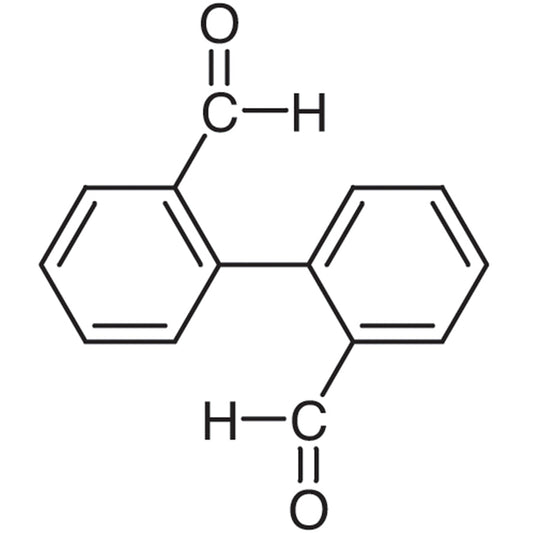
- TCI B2056 1210-05-5 Biphenyl-2,2'-dicarboxaldehyde
- Organic synthesis applications benefit from Biphenyl-3-carboxaldehyde due to its ability to participate in carbon-carbon bond formation and substitution reactions.
- Pharmaceutical research utilizes this compound as a key intermediate in the development of new drug molecules and therapeutic agents.
- Material science experiments rely on its structural versatility for creating advanced polymers and functional materials with specific properties.
- Analytical chemistry uses it as a standard reference compound for spectroscopic and chromatographic analyses.
- Industrial chemical processes incorporate it as a building block for the production of specialty chemicals and fine chemicals.
| Brand | TCI |
|---|---|
| CAS number | 1204-60-0 |
| Molecular formula | — |
| Purity | — |
| Category | Chemistry > Building Blocks > Non-Heterocyclic Building Blocks |
| Pack sizes | Available in various sizes as per supplier specifications |
| Physical form | Solid |
| Storage | Store in a cool, dry place away from light and moisture |
Biphenyl-3-carboxaldehyde should be stored in a cool, dry environment, away from direct sunlight and sources of heat. It is recommended to keep the compound in a sealed container to prevent moisture absorption and contamination. Due to its moderate reactivity, it should be handled with care, using appropriate personal protective equipment such as gloves and safety goggles. It is advisable to store it in a well-ventilated area to minimize exposure to vapors. Proper labeling of storage containers is essential to ensure safe handling and prevent accidental use. In laboratory settings, it should be kept in a designated chemical storage area that complies with safety regulations.
—
Produk Terkait
-
Biphenyl-4-carboxaldehyde TCI B0242
Regular price From Rp 610.050,00Regular priceRp 426.300,00Sale price From Rp 610.050,00 -
[1,1'-Biphenyl]-2-carboxaldehyde TCI B6334
Regular price From Rp 3.021.900,00Regular priceRp 2.112.600,00Sale price From Rp 3.021.900,00 -
Biphenyl-4-carboxylicHydrazide TCI B4350
Regular price Rp 1.696.800,00Regular priceRp 1.202.250,00Sale price Rp 1.696.800,00 -
Biphenyl-3-carboxylicAcid TCI B3850
Regular price From Rp 900.900,00Regular priceRp 645.750,00Sale price From Rp 900.900,00 -
Biphenyl-3,3',5,5'-tetracarboxylicAcid TCI B3792
Regular price Rp 3.949.050,00Regular priceRp 2.761.500,00Sale price Rp 3.949.050,00 -
Biphenyl-2,2'-dicarboxaldehyde TCI B2056
Regular price Rp 4.028.850,00Regular priceRp 2.817.150,00Sale price Rp 4.028.850,00 -
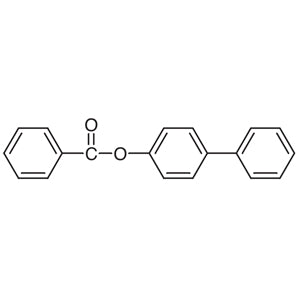
4-BiphenylBenzoate TCI B1866
Regular price From Rp 1.272.600,00Regular priceRp 905.100,00Sale price From Rp 1.272.600,00 -
Biphenyl-4-carboxylicAcid TCI P0961
Regular price From Rp 1.060.500,00Regular priceRp 757.050,00Sale price From Rp 1.060.500,00