Biphenyl-2,2'-dicarboxaldehyde is a chemical compound widely used in organic reactions for the synthesis of complex molecules. Its structure consists of two phenyl rings connected by a carbonyl group, making it a versatile building block in chemical synthesis. In the laboratory, this compound serves as a key reagent for the development of heterocyclic and complex molecular structures. Due to its stability and reactivity, it is a preferred choice for various chemical reactions, including condensation and substitution. Its predictable chemical behavior allows researchers to design and execute synthetic pathways with high efficiency and accuracy.
The compound's chemical stability under specific conditions, combined with its reactivity in diverse reaction environments, makes it a reliable and effective tool in organic chemistry. Its well-defined molecular structure ensures consistent performance in synthetic processes, allowing for precise control over reaction outcomes. This reliability is particularly valuable in research settings where reproducibility and accuracy are essential. Its ability to participate in multiple reaction types further enhances its utility in the laboratory.
In Indonesian laboratories, Biphenyl-2,2'-dicarboxaldehyde is commonly used in organic chemistry research, especially in the synthesis of complex compounds and molecular structure modifications. Its availability and chemical properties make it a sought-after material among researchers working on advanced chemical synthesis projects. Its role in supporting innovative research contributes to the development of new chemical compounds and materials.
Related TCI products
- Organic synthesis applications benefit from its stable structure and reactivity, enabling the creation of complex molecular frameworks.
- It is ideal for condensation reactions due to its carbonyl functionality, which facilitates bond formation between different molecular units.
- Substitution reactions can be efficiently carried out using this compound, allowing for the introduction of various functional groups.
- Its use in heterocyclic compound synthesis is widespread, as it provides a reliable starting point for ring formation.
- Molecular structure modification projects often rely on this compound due to its versatility in reacting with different reagents.
| Brand | TCI |
|---|---|
| CAS number | 1210-05-5 |
| Molecular formula | — |
| Purity | — |
| Category | Chemistry > Building Blocks > Non-Heterocyclic Building Blocks |
| Pack sizes | Available in various quantities as per standard laboratory requirements |
| Physical form | Solid |
| Storage | Store in a cool, dry place away from direct sunlight |
Biphenyl-2,2'-dicarboxaldehyde should be stored in a cool, dry environment to maintain its chemical stability. It is recommended to keep the compound in a tightly sealed container to prevent exposure to moisture and air. Suitable storage containers include glass or high-density polyethylene vessels that are resistant to chemical degradation. In laboratory settings, it is important to handle the compound with care, using appropriate personal protective equipment such as gloves and safety goggles. Avoid direct contact with skin and inhalation of vapors. Ensure proper ventilation in the workspace to minimize exposure risks. Regular monitoring of storage conditions ensures the compound remains in optimal condition for use in research applications.
—
Produk Terkait
-
Triptycene-9,10-dicarboxaldehyde TCI T3146
Regular price From Rp 4.108.650,00Regular priceRp 2.872.800,00Sale price From Rp 4.108.650,00 -
4,4'-Biphenyldicarboxaldehyde TCI B2854
Regular price From Rp 1.961.400,00Regular priceRp 1.371.300,00Sale price From Rp 1.961.400,00 -
Anthracene-9,10-dicarboxaldehyde TCI A2664
Regular price From Rp 4.081.350,00Regular priceRp 2.853.900,00Sale price From Rp 4.081.350,00 -
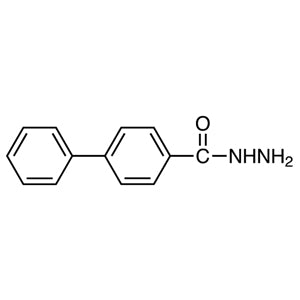
Biphenyl-4-carboxylicHydrazide TCI B4350
Regular price Rp 1.696.800,00Regular priceRp 1.202.250,00Sale price Rp 1.696.800,00 -
Biphenyl-3-carboxaldehyde TCI B4186
Regular price From Rp 1.776.600,00Regular priceRp 1.242.150,00Sale price From Rp 1.776.600,00 -
Biphenyl-3-carboxylicAcid TCI B3850
Regular price From Rp 900.900,00Regular priceRp 645.750,00Sale price From Rp 900.900,00 -
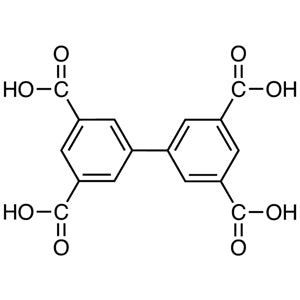
Biphenyl-3,3',5,5'-tetracarboxylicAcid TCI B3792
Regular price Rp 3.949.050,00Regular priceRp 2.761.500,00Sale price Rp 3.949.050,00 -
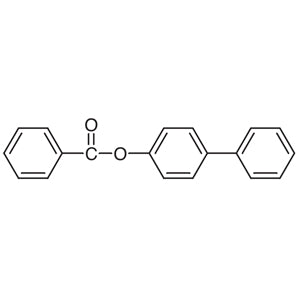
4-BiphenylBenzoate TCI B1866
Regular price From Rp 1.272.600,00Regular priceRp 905.100,00Sale price From Rp 1.272.600,00