Biphenyl-4-carboxylic Hydrazide is a chemical compound widely used in laboratory settings as a building block for various organic synthesis reactions. It plays a crucial role in the development of complex organic molecules, particularly in reactions involving substitution, reduction, or hydrazide-based transformations. This compound is valued for its structural versatility and functional group reactivity, making it a key reagent in synthetic chemistry. Its unique molecular structure allows it to participate in multiple reaction pathways, contributing to the design of compounds with specific chemical or biological properties.
The compound's stability and controlled reactivity under specific reaction conditions make it a preferred choice for researchers. Its molecular framework combines aromatic rings with a hydrazide group, enabling it to interact with a variety of functional groups. This versatility is particularly beneficial in the synthesis of bioactive compounds or specialized materials. Additionally, its predictable behavior in different chemical environments allows for consistent results in laboratory experiments, enhancing the reliability of synthetic processes.
In Indonesian laboratories, Biphenyl-4-carboxylic Hydrazide is commonly used in organic chemistry research, especially in pharmaceutical and material science applications. It is frequently employed in academic and industrial settings to develop new compounds and understand reaction mechanisms. Its role in both fundamental and applied research makes it an essential component in the chemical toolkit of Indonesian scientists.
- Organic synthesis for the creation of complex molecules with specific functional groups and biological activity.
- Pharmaceutical research to develop new drugs and bioactive compounds through hydrazide-based reactions.
- Material science applications in the synthesis of polymers and specialty chemicals with tailored properties.
- Analytical chemistry for the preparation of standards and reagents used in qualitative and quantitative analysis.
- Educational purposes in teaching advanced organic chemistry concepts and reaction mechanisms to students.
| Brand | TCI |
|---|---|
| CAS number | 18622-23-6 |
| Molecular formula | — |
| Purity | — |
| Category | Chemistry > Building Blocks > Non-Heterocyclic Building Blocks |
| Pack sizes | Available in standard laboratory quantities |
| Physical form | Solid powder |
| Storage | Store in a cool, dry place away from direct sunlight |
Biphenyl-4-carboxylic Hydrazide should be stored in a cool, dry environment to maintain its chemical stability. It is recommended to keep the compound in a sealed container to prevent moisture absorption and contamination. Due to its hydrazide functionality, it may react with strong oxidizing agents, so storage away from such substances is essential. The compound should be handled in a well-ventilated area to minimize exposure to vapors. Proper personal protective equipment, such as gloves and safety goggles, should be worn during handling. Regular inspection of storage conditions ensures the compound remains safe and effective for use in laboratory applications.
—
Produk Terkait
-
Biphenyl-3-carboxylicAcid TCI B3850
Regular price From Rp 900.900,00Regular priceRp 645.750,00Sale price From Rp 900.900,00 -
Biphenyl-4-carboxylicAcid TCI P0961
Regular price From Rp 1.060.500,00Regular priceRp 757.050,00Sale price From Rp 1.060.500,00 -
Biphenyl-2-carboxylicAcid TCI P0906
Regular price From Rp 1.801.800,00Regular priceRp 1.275.750,00Sale price From Rp 1.801.800,00 -
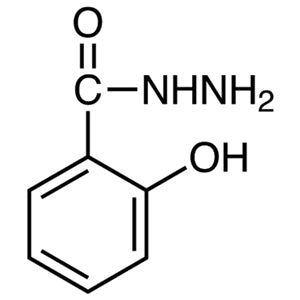
SalicylHydrazide TCI S0242
Regular price Rp 2.597.700,00Regular priceRp 1.832.250,00Sale price Rp 2.597.700,00 -
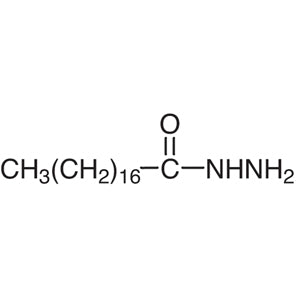
StearicHydrazide TCI S0222
Regular price Rp 4.399.500,00Regular priceRp 3.092.250,00Sale price Rp 4.399.500,00 -
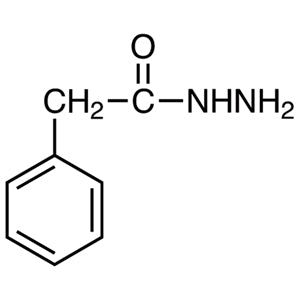
PhenylaceticHydrazide TCI P2203
Regular price From Rp 1.220.100,00Regular priceRp 868.350,00Sale price From Rp 1.220.100,00 -
PhthalicHydrazide TCI P0354
Regular price From Rp 610.050,00Regular priceRp 442.050,00Sale price From Rp 610.050,00 -
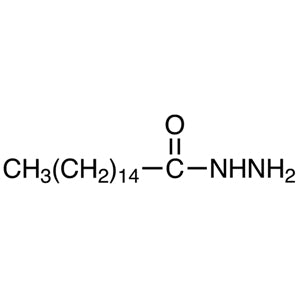
PalmiticAcidHydrazide TCI P0004
Regular price Rp 4.001.550,00Regular priceRp 2.814.000,00Sale price Rp 4.001.550,00