Biphenyl-2-carboxylic acid is a chemical compound widely used in laboratory settings for its versatility in chemical reactions and molecular synthesis. As a key building block in organic chemistry, it serves as a foundational material for creating complex molecules and modifying molecular structures. Its presence in chemical laboratories is essential for researchers aiming to explore new synthetic pathways and develop advanced chemical compounds. This compound is particularly valuable in the study of biphenyl-based structures, where its unique molecular framework enables the creation of compounds with specific functional groups and chemical properties.
The stability and reactivity of biphenyl-2-carboxylic acid make it a preferred choice for chemical synthesis. It can interact with various reagents, including acids and bases, allowing for a wide range of chemical transformations. Its molecular structure, consisting of two benzene rings connected by a single bond, provides a robust and predictable platform for chemical modifications. This structural feature enhances its utility in both academic and industrial research, making it a reliable component in the synthesis of organic compounds and functional materials.
In Indonesian laboratories, biphenyl-2-carboxylic acid is commonly used in chemical research, especially in organic synthesis and molecular structure analysis. It is a staple in research institutions and universities, where it supports experiments requiring stable and dependable chemical reagents. Its consistent performance and chemical properties make it an essential tool for scientists working on complex chemical processes and structural investigations.
Related TCI products
- Organic synthesis applications benefit from biphenyl-2-carboxylic acid due to its stable molecular structure and reactivity, enabling the creation of complex organic compounds.
- Molecular structure analysis relies on this compound as a key building block for studying biphenyl-based molecules and their functional derivatives.
- Chemical modification studies utilize this material for its ability to undergo various reactions with acids and bases, facilitating structural changes in target molecules.
- Research in pharmaceutical development often incorporates this compound as a starting material for synthesizing drug-related compounds with specific functional groups.
- Analytical chemistry experiments use this compound as a reference material for testing reagent performance and reaction conditions in laboratory settings.
| Brand | TCI |
|---|---|
| CAS number | 947-84-2 |
| Molecular formula | — |
| Purity | — |
| Category | Chemistry > Building Blocks > Non-Heterocyclic Building Blocks |
| Pack sizes | Available in standard laboratory quantities as per supplier specifications |
| Physical form | Solid, crystalline appearance |
| Storage | Store in a cool, dry place away from direct sunlight and moisture |
Biphenyl-2-carboxylic acid should be stored in a cool, dry environment to maintain its chemical stability and prevent degradation. It is recommended to use airtight containers to protect it from moisture and contaminants. Due to its solid form, it is typically stored in glass or plastic containers that are resistant to chemical reactions. Laboratory personnel should handle the compound with care, using appropriate personal protective equipment such as gloves and safety goggles. It is important to ensure proper ventilation in the workspace to avoid inhalation of any potential vapors. Regular inspection of storage conditions is advised to maintain the integrity of the material and ensure safe handling practices are followed.
—
Produk Terkait
-
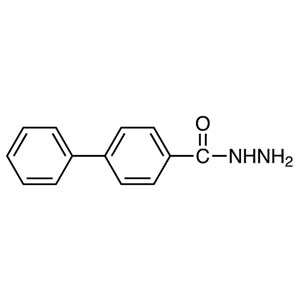
Biphenyl-4-carboxylicHydrazide TCI B4350
Regular price Rp 1.644.300,00Regular price -
Biphenyl-3-carboxylicAcid TCI B3850
Regular price From Rp 848.400,00Regular price -
Biphenyl-4-carboxylicAcid TCI P0961
Regular price From Rp 1.008.000,00Regular price -
Biphenyl-3-carboxaldehyde TCI B4186
Regular price From Rp 1.776.600,00Regular price -
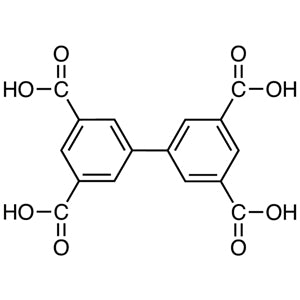
Biphenyl-3,3',5,5'-tetracarboxylicAcid TCI B3792
Regular price Rp 3.949.050,00Regular price -
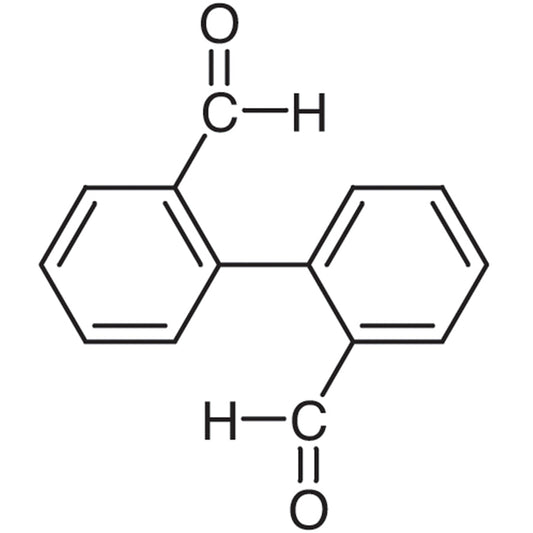
Biphenyl-2,2'-dicarboxaldehyde TCI B2056
Regular price Rp 4.028.850,00Regular price -
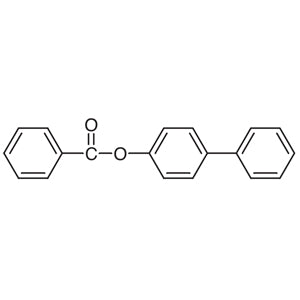
4-BiphenylBenzoate TCI B1866
Regular price From Rp 1.220.100,00Regular price -
Biphenyl-4-carboxaldehyde TCI B0242
Regular price From Rp 610.050,00Regular price