![3,6-Diphenyl-2,5-dihydropyrrolo[3,4-c]pyrrole-1,4-dione (CAS 54660-00-3) - TCI D3743 - AMI Scientific](http://amiscientific.com/cdn/shop/files/TCI2510D3743.jpg?v=1767106482&width=1946)
![3,6-Diphenyl-2,5-dihydropyrrolo[3,4-c]pyrrole-1,4-dione (CAS 54660-00-3) - TCI D3743 - AMI Scientific](http://amiscientific.com/cdn/shop/files/TCI2510D3743.jpg?v=1767106482&width=1445)
3,6-Diphenyl-2,5-dihydropyrrolo[3,4-c]pyrrole-1,4-dione is a complex organic compound widely used in synthetic chemistry applications. As a heterocyclic building block, it contains a nitrogen atom within its ring structure, making it a valuable component in the synthesis of bioactive molecules. Its unique chemical structure allows it to participate in various organic reactions, making it a versatile reagent in laboratory settings. This compound is particularly important in pharmaceutical research and organic synthesis due to its ability to form complex molecular frameworks.
The compound's stability and controlled reactivity make it a preferred choice for synthetic chemists. Its solid form ensures ease of handling and storage, while its chemical properties allow it to be used in substitution and cyclization reactions. The compound's ability to form stable intermediates and its compatibility with a range of reaction conditions contribute to its popularity in both academic and industrial laboratories. These characteristics make it an essential tool for researchers working on drug development and advanced chemical synthesis.
In Indonesian laboratories, this compound is commonly used in scientific research, pharmaceutical development, and higher education institutions. Its availability in a solid form and its role in creating bioactive compounds make it a practical choice for researchers. It supports a wide range of experimental applications, including the synthesis of pharmaceuticals and the study of molecular structures. Its use in Indonesian laboratories reflects its importance in advancing chemical and biological research.
TCI brochures (PDF)
- Building Blocks for Organic Semiconductor 2026-03-24 · p. 33
Related TCI products
- TCI D6462 657428-42-7 tert-Butyl 4,6-Dihydropyrrolo[3,4-c]pyrazole-5(1H)-carboxylate
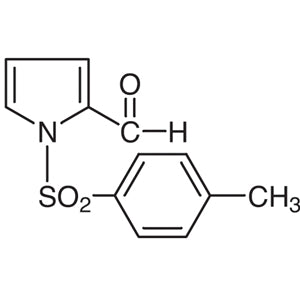
- TCI T1607 102619-05-6 1-(p-Toluenesulfonyl)pyrrole-2-carboxaldehyde
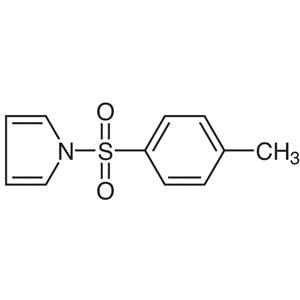
- TCI T1386 17639-64-4 1-(p-Toluenesulfonyl)pyrrole
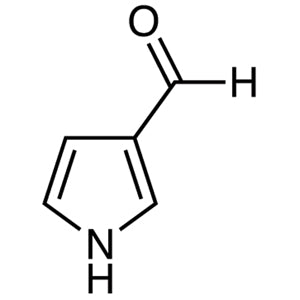
- TCI P2728 7126-39-8 Pyrrole-3-carboxaldehyde
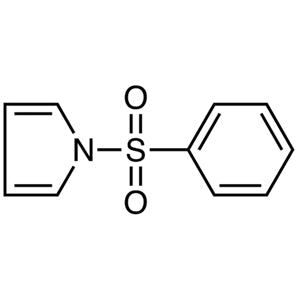
- TCI P2095 16851-82-4 1-(Phenylsulfonyl)pyrrole
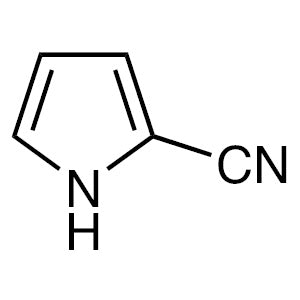
- TCI P1926 4513-94-4 1H-Pyrrole-2-carbonitrile
- Pharmaceutical research and drug development due to its role in synthesizing bioactive compounds.
- Organic synthesis for creating complex molecular structures and functional groups.
- Academic research in chemistry and pharmacology for studying heterocyclic compounds.
- Industrial applications in the production of specialty chemicals and pharmaceutical intermediates.
- Educational use in teaching advanced organic chemistry and synthetic methodology.
| Brand | TCI |
|---|---|
| CAS number | 54660-00-3 |
| Molecular formula | — |
| Purity | — |
| Category | Chemistry > Building Blocks > Heterocyclic Building Blocks |
| Pack sizes | Available in standard laboratory quantities |
| Physical form | Solid |
| Storage | Store in a cool, dry place away from light and moisture |
This compound should be stored in a cool, dry environment, away from direct light and moisture to maintain its stability. It is recommended to use airtight containers to prevent exposure to air and humidity. Due to its chemical nature, it should be handled with care, using appropriate personal protective equipment such as gloves and safety goggles. It is important to ensure proper ventilation when working with this material to avoid inhalation of any vapors. The compound should not be stored near incompatible substances to prevent any potential chemical reactions. Regular inspection of storage conditions is advised to ensure the integrity of the material remains unaffected.
—
Produk Terkait
-
tert-Butyl4,6-Dihydropyrrolo[3,4-c]pyrazole-5(1H)-carboxylate TCI D6462
Regular price From Rp 2.174.550,00Regular price -
1-(p-Toluenesulfonyl)pyrrole-2-carboxaldehyde TCI T1607
Regular price Rp 4.268.250,00Regular price -
1-(p-Toluenesulfonyl)pyrrole TCI T1386
Regular price Rp 1.140.300,00Regular price -
Pyrrole-3-carboxaldehyde TCI P2728
Regular price From Rp 795.900,00Regular price -
1-(Phenylsulfonyl)pyrrole TCI P2095
Regular price From Rp 743.400,00Regular price -
1H-Pyrrole-2-carbonitrile TCI P1926
Regular price From Rp 1.353.450,00Regular price -
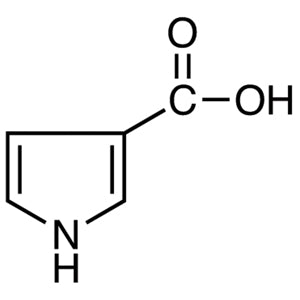
Pyrrole-3-carboxylicAcid TCI P1899
Regular price Rp 2.916.900,00Regular price -
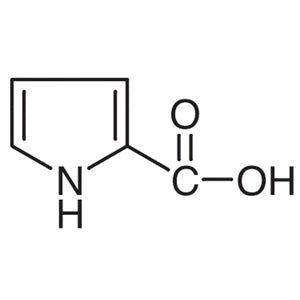
Pyrrole-2-carboxylicAcid TCI P1270
Regular price From Rp 848.400,00Regular price
![tert-Butyl 4,6-Dihydropyrrolo[3,4-c]pyrazole-5(1H)-carboxylate (CAS 657428-42-7) - TCI D6462 - AMI Scientific](http://amiscientific.com/cdn/shop/files/TCI2510D6462.jpg?v=1767110245&width=533)