Pyrrole-2-carboxylic Acid (TCI P1270), with CAS number 634-97-9, is a key chemical compound used in laboratory settings for the synthesis of heterocyclic compounds. It serves as a fundamental building block in organic chemistry, enabling the creation of complex molecular structures essential for pharmaceutical and industrial applications. This compound is widely utilized in research involving the development of new drugs, materials, and chemical intermediates. Its versatility makes it a valuable tool for chemists working in both academic and industrial environments.
The compound is known for its high reactivity and ability to participate in various chemical reactions, including substitution, condensation, and cyclization. Its chemical stability under controlled conditions allows for predictable behavior in synthetic processes. Pyrrole-2-carboxylic Acid is soluble in common organic solvents such as ethyl acetate and acetone, which facilitates its use in purification and reaction protocols. These properties make it a preferred choice for researchers aiming to achieve precise and reproducible results.
In Indonesian laboratories, Pyrrole-2-carboxylic Acid is commonly used in pharmaceutical research, organic synthesis, and materials science. It is particularly valuable in the development of new compounds and the study of heterocyclic structures. Its availability and chemical properties make it an essential reagent for both academic and industrial research in Indonesia.
Related TCI products
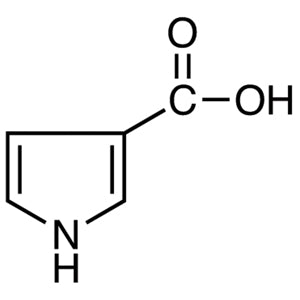
- TCI P1899 931-03-3 Pyrrole-3-carboxylic Acid
- TCI F1314 195387-29-2 4-(Fmoc-amino)-1-methyl-1H-pyrrole-2-carboxylic Acid
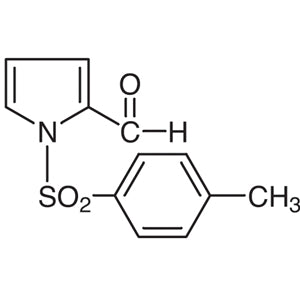
- TCI T1607 102619-05-6 1-(p-Toluenesulfonyl)pyrrole-2-carboxaldehyde
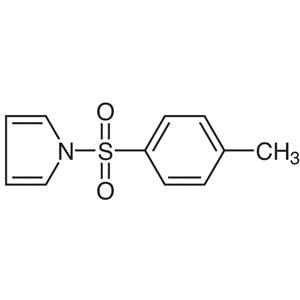
- TCI T1386 17639-64-4 1-(p-Toluenesulfonyl)pyrrole
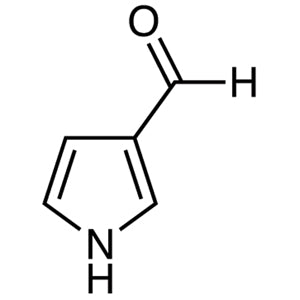
- TCI P2728 7126-39-8 Pyrrole-3-carboxaldehyde
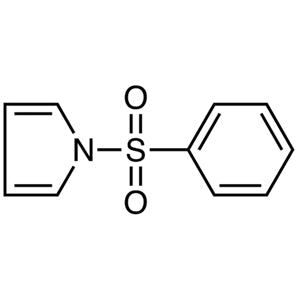
- TCI P2095 16851-82-4 1-(Phenylsulfonyl)pyrrole
- Pharmaceutical research utilizes Pyrrole-2-carboxylic Acid to synthesize complex drug molecules and explore new therapeutic agents.
- Organic synthesis applications benefit from its reactivity and solubility, enabling efficient reaction pathways and compound development.
- Materials science research employs this compound to create novel polymers and functional materials with specific chemical properties.
- Analytical chemistry uses it as a standard for characterizing and identifying heterocyclic compounds through various analytical techniques.
- Industrial chemical production relies on its versatility to develop intermediates and specialty chemicals for diverse applications.
| Brand | TCI |
|---|---|
| CAS number | 634-97-9 |
| Molecular formula | — |
| Purity | — |
| Category | Chemistry > Building Blocks > Heterocyclic Building Blocks |
| Pack sizes | Available in various quantities as per supplier specifications |
| Physical form | Solid (as per standard product description) |
| Storage | Store in a cool, dry place away from direct sunlight and moisture |
Pyrrole-2-carboxylic Acid should be stored in a cool, dry environment to maintain its chemical stability. It is recommended to keep the compound in a tightly sealed container to prevent exposure to moisture and air. Due to its reactivity, it should be handled with care, using appropriate personal protective equipment such as gloves and safety goggles. Avoid contact with strong acids or bases, as these can alter its chemical properties. In laboratory settings, it should be stored in a well-ventilated area to minimize any potential risks. Proper storage ensures the compound remains effective and safe for use in chemical synthesis and research applications.
—
Produk Terkait
-
Pyrrole-3-carboxylicAcid TCI P1899
Regular price Rp 2.916.900,00Regular price -
4-(Fmoc-amino)-1-methyl-1H-pyrrole-2-carboxylicAcid TCI F1314
Regular price From Rp 1.856.400,00Regular price -
1-(p-Toluenesulfonyl)pyrrole-2-carboxaldehyde TCI T1607
Regular price Rp 4.268.250,00Regular price -
1-(p-Toluenesulfonyl)pyrrole TCI T1386
Regular price Rp 1.140.300,00Regular price -
Pyrrole-3-carboxaldehyde TCI P2728
Regular price From Rp 795.900,00Regular price -
1-(Phenylsulfonyl)pyrrole TCI P2095
Regular price From Rp 743.400,00Regular price -
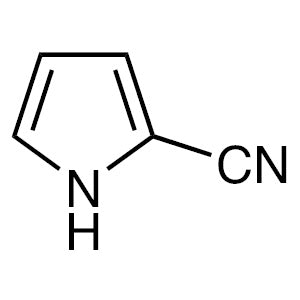
1H-Pyrrole-2-carbonitrile TCI P1926
Regular price From Rp 1.353.450,00Regular price -
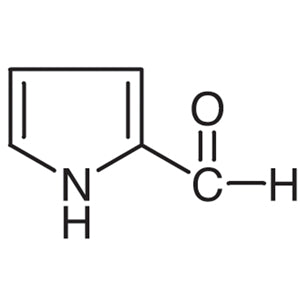
Pyrrole-2-carboxaldehyde TCI P1246
Regular price From Rp 1.035.300,00Regular price