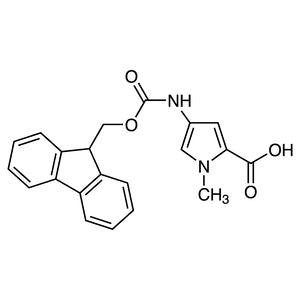
4-(Fmoc-amino)-1-methyl-1H-pyrrole-2-carboxylic Acid is a chemical compound widely used in the synthesis of complex molecules, particularly in organic and biochemical research. This compound serves as a fundamental building block in the development of biological molecules such as peptides and proteins. Its ability to form bonds with other functional groups makes it a versatile tool for molecular construction. In the laboratory, it is essential for creating intricate molecular structures that are critical in various scientific investigations.
The compound is valued for its chemical stability and reactivity, which enable a wide range of chemical reactions, including substitution, bond formation, and functional group modification. Its complex molecular structure also makes it ideal for synthesizing compounds with biological activity. These properties make it a preferred choice for researchers requiring precision and control in their experiments. Its reliability and consistency ensure reproducibility in laboratory settings, making it a trusted component in chemical synthesis.
In Indonesian laboratories, this compound is commonly used in chemical, pharmaceutical, and biotechnology research. Local scientists frequently employ it for drug development, biological compound modification, and molecular interaction studies. Its availability in the local market supports ongoing research efforts, contributing to advancements in science and innovation.
TCI brochures (PDF)
Related TCI products
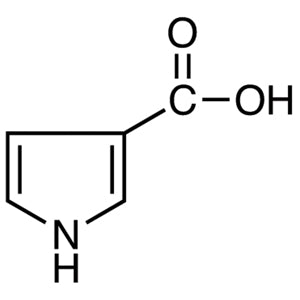
- TCI P1899 931-03-3 Pyrrole-3-carboxylic Acid
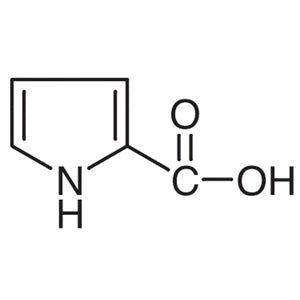
- TCI P1270 634-97-9 Pyrrole-2-carboxylic Acid
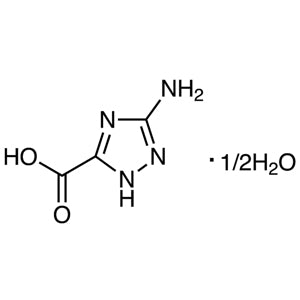
- TCI A1256 3641-13-2 3-Amino-1,2,4-triazole-5-carboxylic Acid Hemihydrate
- TCI F1313 252206-28-3 4-(Fmoc-amino)-1-methyl-1H-imidazole-2-carboxylic Acid
- TCI B6144 83673-98-7 2-[(tert-Butoxycarbonyl)amino]thiazole-4-carboxylic Acid
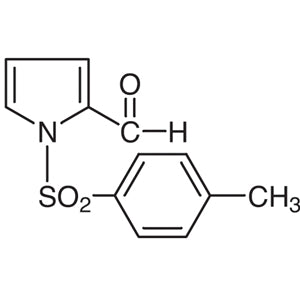
- TCI T1607 102619-05-6 1-(p-Toluenesulfonyl)pyrrole-2-carboxaldehyde
- Peptide Synthesis: This compound is ideal for peptide synthesis due to its ability to form stable amide bonds with amino acids, enabling the creation of complex peptide sequences.
- Protein Modification: It is used in protein modification to introduce specific functional groups, enhancing the compound's reactivity and utility in biochemical studies.
- Drug Development: Researchers use it in drug development to design molecules with targeted biological activities, supporting the creation of new therapeutic agents.
- Molecular Interaction Studies: Its complex structure allows for the study of molecular interactions, aiding in understanding biological processes and molecular behavior.
- Organic Chemistry Research: It serves as a key building block in organic chemistry, facilitating the synthesis of a wide range of complex organic compounds.
| Brand | TCI |
|---|---|
| CAS number | 195387-29-2 |
| Molecular formula | — |
| Purity | — |
| Category | Chemistry > Building Blocks > Heterocyclic Building Blocks |
| Pack sizes | Available in various quantities as per supplier specifications |
| Physical form | Solid (as per standard chemical product form) |
| Storage | Store in a cool, dry place away from light and moisture |
This compound should be stored in a cool, dry environment, away from direct light and moisture to maintain its chemical integrity. It is recommended to use airtight containers to prevent exposure to air and humidity, which could affect its stability. Proper labeling of containers is essential for safe handling and identification. In laboratory settings, personal protective equipment such as gloves and safety goggles should be worn when handling the compound to ensure safety. It should be kept in a well-ventilated area to minimize inhalation risks. Regular monitoring of storage conditions ensures the compound remains suitable for use in research applications.
—
Produk Terkait
-
Pyrrole-3-carboxylicAcid TCI P1899
Regular price Rp 2.916.900,00Regular price -
Pyrrole-2-carboxylicAcid TCI P1270
Regular price From Rp 848.400,00Regular price -
3-Amino-1,2,4-triazole-5-carboxylicAcidHemihydrate TCI A1256
Regular price Rp 2.491.650,00Regular price -
4-(Fmoc-amino)-1-methyl-1H-imidazole-2-carboxylicAcid TCI F1313
Regular price Rp 3.287.550,00Regular price -
2-[(tert-Butoxycarbonyl)amino]thiazole-4-carboxylicAcid TCI B6144
Regular price From Rp 1.458.450,00Regular price -
1-(p-Toluenesulfonyl)pyrrole-2-carboxaldehyde TCI T1607
Regular price Rp 4.268.250,00Regular price -
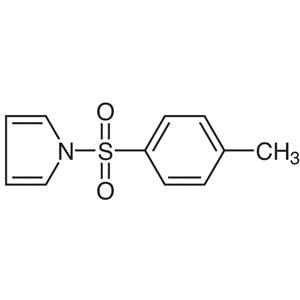
1-(p-Toluenesulfonyl)pyrrole TCI T1386
Regular price Rp 1.140.300,00Regular price -
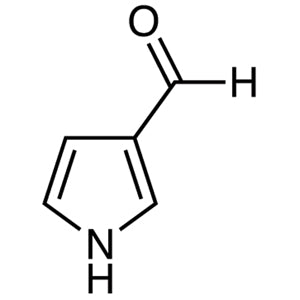
Pyrrole-3-carboxaldehyde TCI P2728
Regular price From Rp 795.900,00Regular price

![2-[(tert-Butoxycarbonyl)amino]thiazole-4-carboxylic Acid (CAS 83673-98-7) - TCI B6144 - AMI Scientific](http://amiscientific.com/cdn/shop/files/TCI2510B6144_30b774b8-53f0-43f4-a45f-a11d6bda12b0.jpg?v=1767864684&width=533)