1,4-Dichlorophthalazine is a chemical compound widely used as a building block in the synthesis of heterocyclic compounds. It plays a crucial role in organic chemistry and pharmacology research, where it serves as a foundational element for creating more complex molecular structures. This compound is essential in laboratories for developing pharmaceuticals and other bioactive substances. Its presence in chemical synthesis allows researchers to explore various reaction pathways and functional group modifications.
The compound is known for its chemical stability under specific conditions, making it a reliable reagent in laboratory settings. Its high reactivity towards various chemical reagents enables it to participate in substitution and condensation reactions effectively. Additionally, its thermal stability ensures it remains intact during high-temperature processes. These properties make it a preferred choice for synthetic chemists working on intricate molecular designs.
In Indonesian laboratories, 1,4-Dichlorophthalazine is extensively used in scientific research across educational institutions and research organizations. It supports the development of new drugs and materials by providing a versatile starting material. Its application is common in both academic and industrial research environments, contributing to advancements in chemical science and pharmaceutical development.
Related TCI products
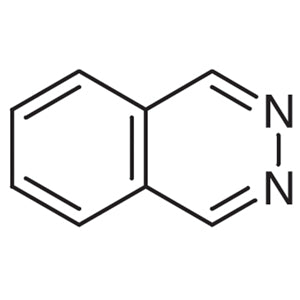
- TCI P0694 253-52-1 Phthalazine
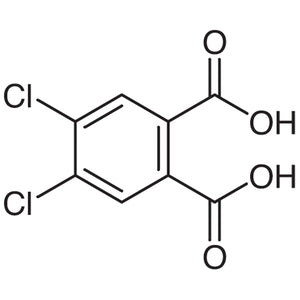
- TCI D2350 56962-08-4 4,5-Dichlorophthalic Acid
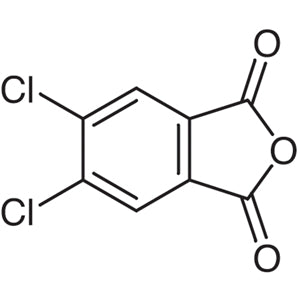
- TCI D2335 942-06-3 4,5-Dichlorophthalic Anhydride
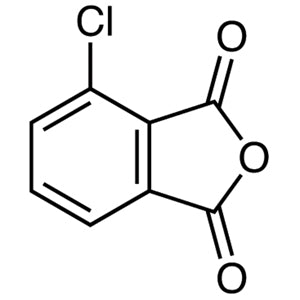
- TCI C3489 117-21-5 3-Chlorophthalic Anhydride
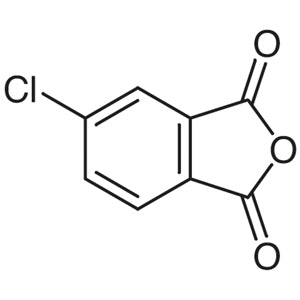
- TCI C1328 118-45-6 4-Chlorophthalic Anhydride
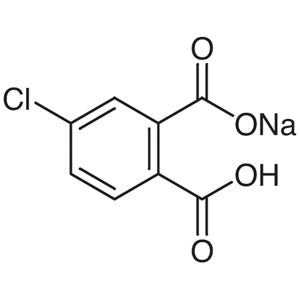
- TCI C0265 56047-23-5 Sodium Hydrogen 4-Chlorophthalate (contains isomer and Phthalic Acid)
- Organic synthesis: 1,4-Dichlorophthalazine is ideal for constructing complex heterocyclic structures due to its reactivity and stability.
- Pharmaceutical research: This compound is frequently used in the development of bioactive molecules for drug discovery and formulation.
- Chemical reaction studies: Its high reactivity makes it suitable for studying substitution and condensation reactions in laboratory experiments.
- Material science applications: It serves as a building block for synthesizing new materials with specific chemical properties.
- Analytical chemistry: The compound is used in analytical procedures to test reactivity and compatibility of various chemical systems.
| Brand | TCI |
|---|---|
| CAS number | 4752-10-7 |
| Molecular formula | — |
| Purity | — |
| Category | Chemistry > Building Blocks > Heterocyclic Building Blocks |
| Pack sizes | Available in various quantities as per supplier specifications |
| Physical form | Solid |
| Storage | Store in a cool, dry place away from light and moisture |
1,4-Dichlorophthalazine should be stored in a cool, dry environment, away from direct light and moisture to maintain its chemical stability. It is recommended to use airtight containers to prevent exposure to air and moisture, which could affect its reactivity. Due to its high chlorine content, it requires careful handling to avoid potential hazards. Laboratory personnel should wear appropriate personal protective equipment, such as gloves and safety goggles, when working with this compound. It should not be stored near incompatible substances to prevent unwanted reactions. Regular monitoring of storage conditions ensures the compound remains safe and effective for use in research applications.
—
Produk Terkait
-
Phthalazine TCI P0694
Regular price From Rp 1.590.750,00Regular price -
4,5-DichlorophthalicAcid TCI D2350
Regular price From Rp 1.008.000,00Regular price -
4,5-DichlorophthalicAnhydride TCI D2335
Regular price Rp 2.359.350,00Regular price -
3-ChlorophthalicAnhydride TCI C3489
Regular price From Rp 1.035.300,00Regular price -
4-ChlorophthalicAnhydride TCI C1328
Regular price From Rp 2.386.650,00Regular price -
SodiumHydrogen4-Chlorophthalate(containsisomerandPhthalicAcid) TCI C0265
Regular price Rp 743.400,00Regular price -
DipropylTetrachlorophthalate TCI T0595
Regular price Rp 2.359.350,00Regular price -
1-HydrazinophthalazineHydrochloride TCI H0409
Regular price From Rp 1.378.650,00Regular price