3,3-Difluoropyrrolidine Hydrochloride is a fluorinated building block widely used in organic chemistry for the synthesis of complex molecules requiring fluorine substitution. As a versatile intermediate, it plays a crucial role in the development of pharmaceuticals and advanced chemical compounds. Its unique structure allows for efficient modification during chemical reactions, enabling researchers to tailor molecular properties for specific applications. This compound is essential in laboratories that focus on creating new drug candidates and exploring chemical reactivity.
The compound’s fluorine atoms contribute to its distinct chemical properties, including enhanced polarity and altered bond strength compared to non-fluorinated analogs. These characteristics make it suitable for a range of reactions such as substitution, reduction, and electrophilic processes. The stability of 3,3-Difluoropyrrolidine Hydrochloride ensures reliable performance in various experimental conditions, making it a preferred choice for synthetic chemists. Its role in enabling precise molecular control is vital for both academic and industrial research.
In Indonesian laboratories, 3,3-Difluoropyrrolidine Hydrochloride is commonly used in scientific research and educational settings. It supports the development of new compounds, the improvement of synthetic processes, and the fulfillment of local research needs. This compound is particularly relevant for growing research institutions and universities in the fields of chemistry and pharmacy. Its availability and utility make it a valuable resource for advancing chemical innovation in Indonesia.
TCI brochures (PDF)
- Fluorination Reagents, Fluorinated Building Blocks 2026-03-18 · p. 47
Related TCI products
- TCI T2342 1810-13-5 3,3,4,4-Tetrafluoropyrrolidine Hydrochloride
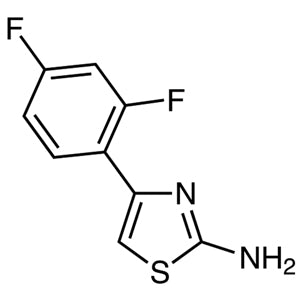
- TCI A3029 105512-80-9 2-Amino-4-(2,4-difluorophenyl)thiazole
- TCI F1346 136725-55-8 (R)-3-Fluoropyrrolidine Hydrochloride
- TCI F1344 136725-53-6 (S)-3-Fluoropyrrolidine Hydrochloride
- TCI D6507 1001754-59-1 1-(tert-Butoxycarbonyl)-3-fluoropyrrolidine-3-carboxylic Acid
- TCI T3129 113798-74-6 2,3,6-Trifluorophenol
- Pharmaceutical research and development as it enables the synthesis of fluorinated drug candidates with improved pharmacological properties.
- Organic chemistry experiments where fluorine substitution is required for creating structurally diverse compounds with specific reactivity profiles.
- Academic teaching and training in synthetic chemistry, providing students with hands-on experience in fluorinated building block utilization.
- Drug discovery programs that rely on precise molecular modifications to optimize therapeutic effects and biological activity.
- Industrial chemical synthesis processes where controlled fluorination is essential for producing high-value specialty chemicals.
| Brand | TCI |
|---|---|
| CAS number | 163457-23-6 |
| Molecular formula | — |
| Purity | — |
| Category | Chemistry > Building Blocks > Fluorinated Building Blocks |
| Pack sizes | Available in various quantities as per standard chemical supply practices |
| Physical form | Solid (as per typical fluorinated building block characteristics) |
| Storage | Store in a cool, dry place away from moisture and direct sunlight |
3,3-Difluoropyrrolidine Hydrochloride should be stored in a cool, dry environment to maintain its chemical stability. It is recommended to keep the compound in a sealed container to prevent exposure to moisture and air. Due to its chemical nature, it should be handled with appropriate personal protective equipment such as gloves and safety goggles. Avoid direct contact with skin and eyes, and ensure proper ventilation in the workspace. The compound is not classified as hazardous under standard handling conditions, but standard laboratory safety protocols should be followed to ensure safe usage and storage.
—
Produk Terkait
-
3,3,4,4-TetrafluoropyrrolidineHydrochloride TCI T2342
Regular price From Rp 2.862.300,00Regular price -
2-Amino-4-(2,4-difluorophenyl)thiazole TCI A3029
Regular price From Rp 875.700,00Regular price -
(R)-3-FluoropyrrolidineHydrochloride TCI F1346
Regular price From Rp 2.359.350,00Regular price -
(S)-3-FluoropyrrolidineHydrochloride TCI F1344
Regular price Rp 2.782.500,00Regular price -
1-(tert-Butoxycarbonyl)-3-fluoropyrrolidine-3-carboxylicAcid TCI D6507
Regular price Rp 4.584.300,00Regular price -
2,3,6-Trifluorophenol TCI T3129
Regular price From Rp 955.500,00Regular price -
2,4,5-TrifluorophenylaceticAcid TCI T2407
Regular price Rp 1.193.850,00Regular price -
3,4,5-Trifluorophenol TCI T2299
Regular price From Rp 1.220.100,00Regular price