(R)-3-Fluoropyrrolidine Hydrochloride is a chiral compound widely used in asymmetric synthesis to construct molecules with optical activity. This material plays a crucial role in chemical laboratories, particularly in the development of pharmaceuticals and organic compounds. Its chiral structure allows for the formation of enantiomers, which are essential in creating drugs with specific biological activities. As a chiral building block, it is integral to the synthesis of complex molecules that require precise stereochemical control.
The compound is valued for its stability under standard laboratory conditions and its availability in various packaging formats, making it accessible for both research and industrial applications. Its ability to form specific molecular structures with high efficiency makes it a preferred choice for chemists working on advanced synthesis projects. The compound’s chemical properties ensure consistency and reliability in experimental outcomes, supporting reproducibility and accuracy in scientific research.
In Indonesian laboratories, (R)-3-Fluoropyrrolidine Hydrochloride is commonly used in pharmaceutical and chemical research. It is a key component in experiments requiring controlled molecular structures, especially in drug development and organic synthesis. Its availability in the local market facilitates its use by researchers and institutions, contributing to the advancement of scientific studies in chemistry and pharmacology.
TCI brochures (PDF)
- Fluorination Reagents, Fluorinated Building Blocks 2026-03-18 · p. 48
Related TCI products
- TCI F1344 136725-53-6 (S)-3-Fluoropyrrolidine Hydrochloride
- TCI D6507 1001754-59-1 1-(tert-Butoxycarbonyl)-3-fluoropyrrolidine-3-carboxylic Acid
- TCI T2342 1810-13-5 3,3,4,4-Tetrafluoropyrrolidine Hydrochloride
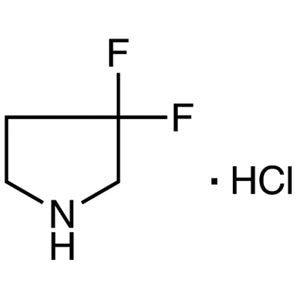
- TCI D4315 163457-23-6 3,3-Difluoropyrrolidine Hydrochloride
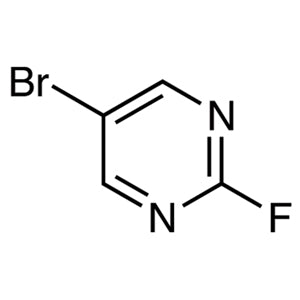
- TCI B3685 62802-38-4 5-Bromo-2-fluoropyrimidine
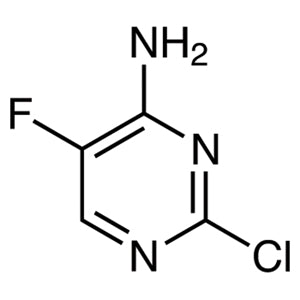
- TCI A2809 155-10-2 4-Amino-2-chloro-5-fluoropyrimidine
- Asymmetric Synthesis: This compound is ideal for creating enantiomerically pure compounds, essential in pharmaceutical research for developing effective and safe drugs.
- Chiral Compound Development: Its chiral structure supports the synthesis of complex molecules with specific stereochemistry, enhancing the precision of chemical reactions.
- Organic Chemistry Research: It is frequently used in experiments that require controlled molecular structures, aiding in the study of reaction mechanisms and stereochemical outcomes.
- Drug Discovery: The compound’s ability to form specific molecular configurations makes it valuable in the early stages of drug development.
- Academic Research: It is widely utilized in universities and research institutions for teaching and experimental purposes in organic chemistry and pharmacology.
| Brand | TCI |
|---|---|
| CAS number | 136725-55-8 |
| Molecular formula | — |
| Purity | — |
| Category | Chemistry > Asymmetric Synthesis > Chiral Building Blocks |
| Pack sizes | Available in various sizes as per standard laboratory requirements |
| Physical form | Solid |
| Storage | Store in a cool, dry place away from moisture and direct sunlight |
This compound should be stored in a cool, dry environment to maintain its stability and prevent degradation. It is recommended to use airtight containers to protect it from moisture and humidity. Since it is a solid, it should be kept in a well-ventilated area to avoid any potential chemical interactions. Laboratory personnel should handle it with care, using appropriate personal protective equipment when necessary. Regular monitoring of storage conditions ensures the compound remains in optimal condition for use in experiments. Proper labeling and storage practices help maintain the integrity of the material and ensure safe handling in a laboratory setting.
—
Produk Terkait
-
(S)-3-FluoropyrrolidineHydrochloride TCI F1344
Regular price Rp 2.782.500,00Regular price -
1-(tert-Butoxycarbonyl)-3-fluoropyrrolidine-3-carboxylicAcid TCI D6507
Regular price Rp 4.584.300,00Regular price -
3,3,4,4-TetrafluoropyrrolidineHydrochloride TCI T2342
Regular price From Rp 2.862.300,00Regular price -
3,3-DifluoropyrrolidineHydrochloride TCI D4315
Regular price From Rp 1.590.750,00Regular price -
5-Bromo-2-fluoropyrimidine TCI B3685
Regular price Rp 1.115.100,00Regular price -
4-Amino-2-chloro-5-fluoropyrimidine TCI A2809
Regular price From Rp 1.749.300,00Regular price -
2,4-Dichloro-5-fluoropyrimidine TCI D3374
Regular price From Rp 1.565.550,00Regular price -
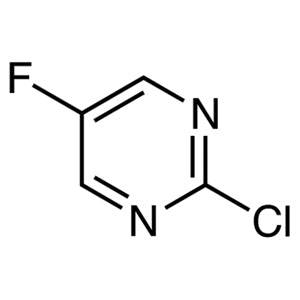
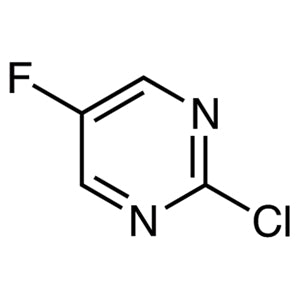
2-Chloro-5-fluoropyrimidine TCI C2546
Regular price From Rp 1.035.300,00Regular price