TCI D4329 4,5-Diaminophthalonitrile is a specialised synthetic intermediate that carries two adjacent nitrile groups on a benzene ring together with two amino groups at the 4 and 5 positions. This combination makes it a highly valuable phthalocyanine building block. The ortho-dinitrile group is the starting point for the cyclotetramerisation reaction that forms the phthalocyanine macrocycle, while the diamino pair provides condensation sites for constructing fused rings such as pyrazine, quinoxaline, or imidazole before the macrocycle is assembled.
The property that makes this compound the material of choice is a synthetic flexibility rarely found in comparable intermediates. The amino groups are strong electron donors, so the aromatic ring becomes electron rich; this influences the colour, the orbital energy levels, and the photophysical behaviour of the final macrocycle, including a shift of absorption toward longer wavelengths. The two neighbouring amino groups also allow extended conjugated systems to be formed, opening a route to fused phthalocyanines with tunable optical properties. Having four reactive sites available in one small molecule gives researchers a high degree of control over the structure of the final product.
In Indonesian laboratories this building block is typically handled in university and institutional research groups working on materials science, organic synthesis, and functional dye chemistry. It is normally used at small scale on the bench, weighed out for multi-step preparations in which the macrocycle is assembled and then characterised spectroscopically. Groups developing pigments, photosensitisers, and organic electronic materials keep it as a reference intermediate because the same starting material can be directed toward several different target structures.
- Phthalocyanine macrocycle synthesis: the ortho-dinitrile functionality undergoes cyclotetramerisation directly, giving a reliable entry point into substituted phthalocyanine frameworks for research preparations.
- Fused heterocyclic ring construction: the adjacent diamino pair condenses to build pyrazine, quinoxaline, or imidazole rings on the aromatic core before macrocycle assembly is carried out.
- Tunable optical materials research: the electron-donating amino substituents raise the electron density of the ring, shifting absorption toward longer wavelengths in the finished macrocycle.
- Extended conjugation studies: the two neighbouring amino groups allow extended conjugated systems, providing access to fused phthalocyanines whose optical behaviour can be deliberately adjusted.
- Multi-step organic synthesis methodology: four reactive sites in one small molecule give researchers considerable control over the structure of the final product in sequential transformations.
| Brand | TCI |
|---|---|
| CAS number | 129365-93-1 |
| Molecular formula | — |
| Purity | — |
| Category | Materials Science > Material Building Blocks > Phthalocyanine Building Blocks |
| Pack sizes | available in standard TCI research-scale packaging; please confirm the required size when ordering |
| Physical form | — |
| Storage | store as indicated on the manufacturer label and product documentation |
- Product Code: D4329
Store the container tightly closed in a cool, dry, well-ventilated area away from direct sunlight, heat sources, and incompatible chemicals, following the conditions stated on the manufacturer label. Keep the material in its original supplier container, or in a clean, clearly labelled, chemically resistant vessel if subdivision is necessary. Handle in a fume hood using safety glasses, gloves, and a laboratory coat, and avoid inhalation of dust and contact with skin or eyes. Weigh out only the quantity required, reseal promptly to limit exposure to air and moisture, and consult the manufacturer's safety data sheet before use and for disposal guidance.
—
Produk Terkait
-
4-Aminophthalonitrile TCI A1166
Regular price From Rp 2.942.100,00Regular price -
Phthalonitrile TCI P0404
Regular price From Rp 505.050,00Regular price -
4-Iodophthalonitrile TCI I1050
Regular price Rp 4.823.700,00Regular price -
4-(2',6'-Dimethylphenoxy)phthalonitrile TCI D1983
Regular price From Rp 2.625.000,00Regular price -
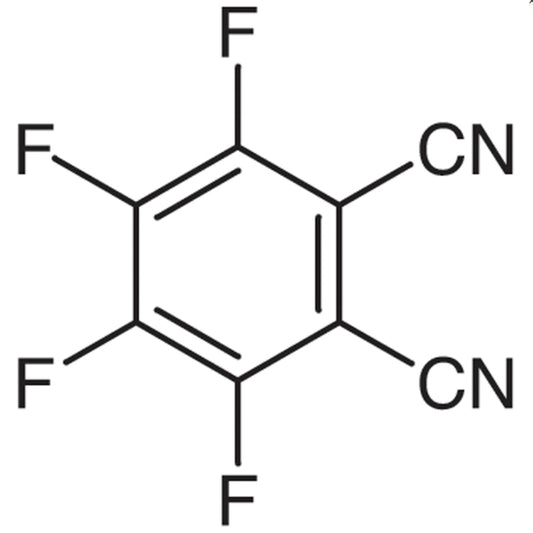
Tetrafluorophthalonitrile TCI T1402
Regular price From Rp 1.246.350,00Regular price -
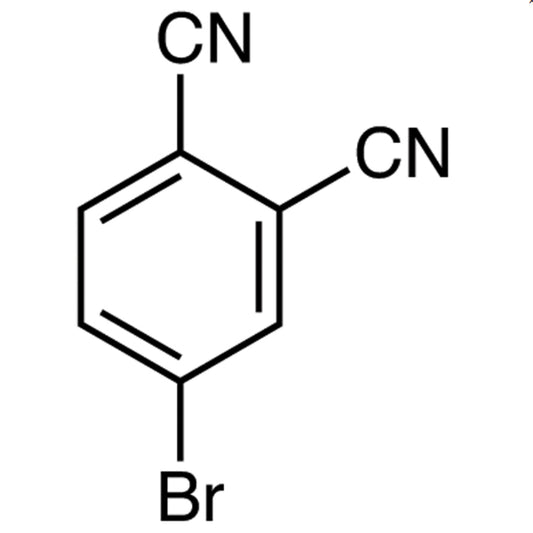
4-Bromophthalonitrile TCI B5509
Regular price From Rp 2.094.750,00Regular price -
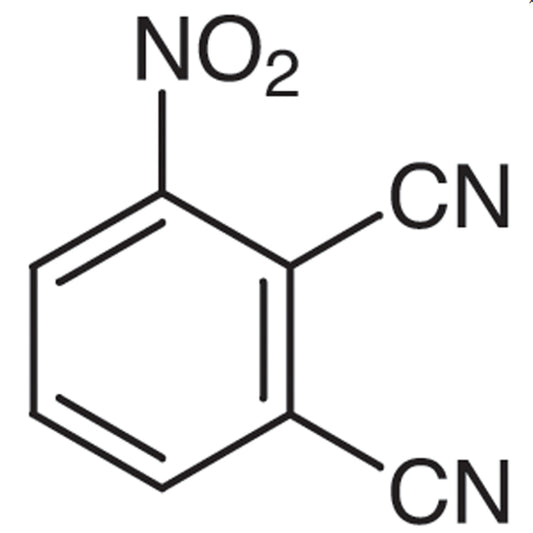
3-Nitrophthalonitrile TCI N0566
Regular price From Rp 1.724.100,00Regular price -
4-Nitrophthalonitrile TCI N0524
Regular price From Rp 4.743.900,00Regular price