4-Aminophthalonitrile is a chemical compound widely used in scientific research, particularly in the fields of organic chemistry and materials science. It serves as a fundamental building block in the synthesis of complex compounds, including pigments, dyes, and other organic substances with specific structural characteristics. In laboratory settings, this compound is commonly used as a precursor for the development of materials with tailored optical or electronic properties. Its role is critical in advancing research that requires precise chemical reactions and structural modifications.
The compound is valued for its stable chemical structure and controlled reactivity, which allow researchers to perform chemical reactions with high precision. Its ability to undergo substitution and coupling reactions makes it an essential component in the synthesis of complex molecules. These properties make it a preferred choice for scientists working on advanced material development and organic chemistry projects. The versatility of 4-Aminophthalonitrile ensures its application across various research domains, from academic studies to industrial innovation.
In Indonesian laboratories, 4-Aminophthalonitrile is frequently used in research related to new materials, pigments, and compounds with applications in the chemical and electronic industries. It is also a common material in studies requiring compounds with specific structural and chemical properties. Its reliability and adaptability make it a staple in both academic and industrial research environments.
- Organic synthesis research benefits from 4-Aminophthalonitrile due to its reactivity and structural versatility, enabling the creation of complex organic molecules.
- Material development projects utilize this compound to design new materials with tailored optical or electronic properties, enhancing performance in various applications.
- Pigment and dye formulation studies rely on its ability to participate in substitution and coupling reactions, leading to the synthesis of colorants with specific characteristics.
- Electronic material research incorporates this compound for its potential in creating materials with unique electronic behaviors, useful in semiconductor and optoelectronic applications.
- Chemical industry applications leverage its stability and reactivity for the production of specialized compounds used in industrial processes and advanced manufacturing.
| Brand | TCI |
|---|---|
| CAS number | 56765-79-8 |
| Molecular formula | — |
| Purity | — |
| Category | Materials Science > Material Building Blocks > Phthalocyanine Building Blocks |
| Pack sizes | Available in standard laboratory quantities as per supplier specifications |
| Physical form | Solid, typically in crystalline or powder form |
| Storage | Store in a cool, dry place away from light and moisture |
4-Aminophthalonitrile should be stored in a cool, dry environment, away from direct light and moisture to maintain its chemical stability. It is recommended to use airtight containers to prevent exposure to air and humidity, which could affect its reactivity. In laboratory settings, proper ventilation should be ensured when handling the compound to minimize inhalation risks. Personal protective equipment, such as gloves and safety goggles, should be worn during handling to ensure safety. The compound is generally stable under standard storage conditions but should be kept away from incompatible substances to prevent unwanted reactions. Regular monitoring of storage conditions is advised to maintain the integrity of the material for research use.
—
Produk Terkait
-
Phthalonitrile TCI P0404
Regular price From Rp 557.550,00Regular priceRp 405.300,00Sale price From Rp 557.550,00 -
4,5-Diaminophthalonitrile TCI D4329
Regular price Rp 4.240.950,00Regular priceRp 2.980.950,00Sale price Rp 4.240.950,00 -
4-Iodophthalonitrile TCI I1050
Regular price Rp 4.876.200,00Regular priceRp 3.425.100,00Sale price Rp 4.876.200,00 -
4-(2',6'-Dimethylphenoxy)phthalonitrile TCI D1983
Regular price From Rp 2.677.500,00Regular priceRp 1.887.900,00Sale price From Rp 2.677.500,00 -
Tetrachlorophthalonitrile TCI T3067
Regular price From Rp 1.378.650,00Regular priceRp 979.650,00Sale price From Rp 1.378.650,00 -
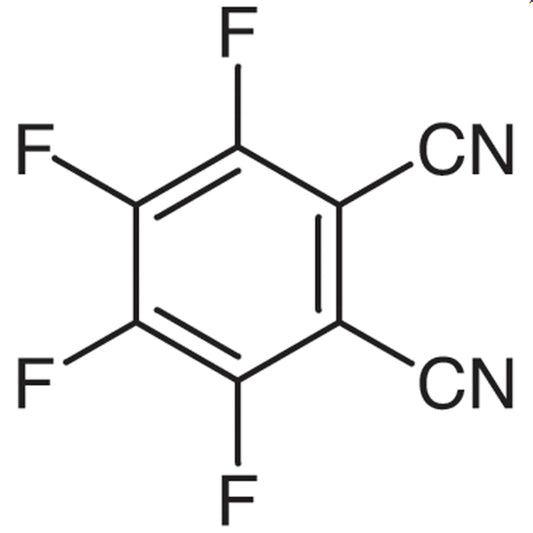
Tetrafluorophthalonitrile TCI T1402
Regular price From Rp 1.298.850,00Regular priceRp 924.000,00Sale price From Rp 1.298.850,00 -
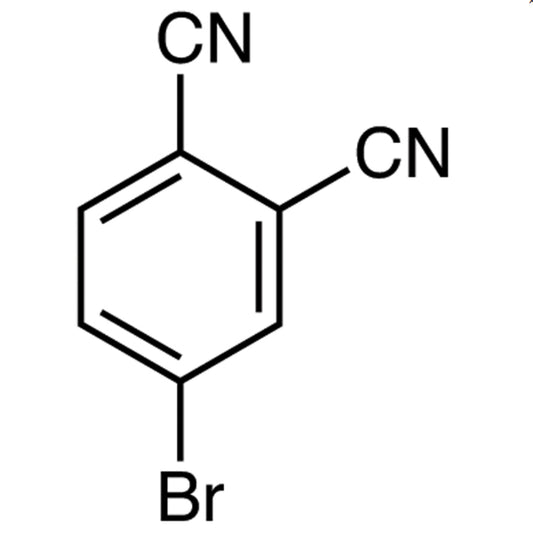
4-Bromophthalonitrile TCI B5509
Regular price From Rp 2.147.250,00Regular priceRp 1.517.250,00Sale price From Rp 2.147.250,00 -
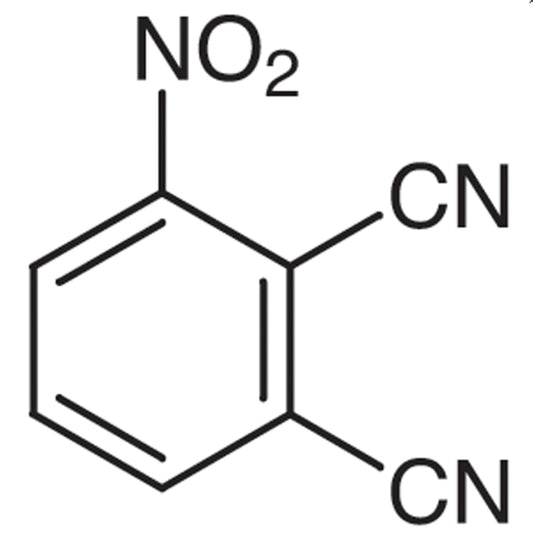
3-Nitrophthalonitrile TCI N0566
Regular price From Rp 1.776.600,00Regular priceRp 1.257.900,00Sale price From Rp 1.776.600,00