2,6-Dibromopyrazine is a chemical compound widely used as a building block in the synthesis of heterocyclic compounds. It serves as a key intermediate in organic chemistry, enabling the creation of complex molecules with specific biological or chemical properties. Its molecular structure is based on pyrazine, with two bromine atoms attached at positions 2 and 6, making it highly versatile for chemical modifications. This compound is essential in laboratory settings where the development of new materials or pharmaceuticals is required. Its reactivity and stability make it a reliable choice for various synthetic pathways.
The compound is known for its high melting point and resistance to certain chemical conditions, which contribute to its stability during storage and use. These properties ensure that it remains effective even under varying experimental conditions. Additionally, its solid form simplifies handling and storage, reducing the risk of contamination or degradation. The combination of these characteristics makes 2,6-Dibromopyrazine a preferred choice for chemists working on complex synthesis reactions.
In Indonesian laboratories, 2,6-Dibromopyrazine is commonly used in research related to organic chemistry, pharmaceutical development, and material science. It is a staple in academic and industrial research settings, supporting the creation of new compounds with potential applications in medicine and advanced materials. Its availability and reliability make it a valuable resource for scientists and researchers in Indonesia.
Related TCI products
- Organic synthesis: 2,6-Dibromopyrazine is ideal for creating complex heterocyclic structures due to its reactive bromine atoms and stable pyrazine core.
- Pharmaceutical research: Its use in synthesizing bioactive compounds makes it a valuable tool for drug development and medicinal chemistry.
- Material science: The compound is used to develop new inorganic and organic materials with unique chemical properties.
- Chemical coupling reactions: Its reactivity supports efficient coupling reactions, making it suitable for molecular assembly processes.
- Academic research: Widely used in Indonesian universities and research institutions for teaching and experimental studies in organic chemistry.
| Brand | TCI |
|---|---|
| CAS number | 23229-25-6 |
| Molecular formula | — |
| Purity | — |
| Category | Chemistry > Building Blocks > Heterocyclic Building Blocks |
| Pack sizes | Available in various quantities as per standard laboratory supply |
| Physical form | Solid |
| Storage | Store in a cool, dry place away from light and moisture |
2,6-Dibromopyrazine should be stored in a cool, dry environment, away from direct light and moisture to maintain its chemical integrity. It is recommended to use airtight containers to prevent exposure to air and humidity, which could affect its stability. Due to its solid form, it is easy to handle and measure, but care should be taken to avoid contamination. In laboratory settings, it is important to ensure proper ventilation when working with this compound to minimize any potential exposure. Always follow standard safety protocols when handling chemical substances to ensure a safe working environment.
—
Produk Terkait
-
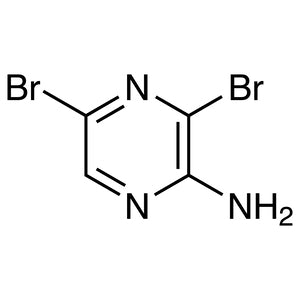
2-Amino-3,5-dibromopyrazine TCI A1806
Regular price From Rp 1.565.550,00Regular price -
2,5-Dibromopyrazine TCI D4323
Regular price From Rp 928.200,00Regular price -
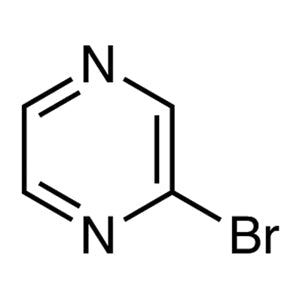
2-Bromopyrazine TCI B4352
Regular price From Rp 1.565.550,00Regular price -
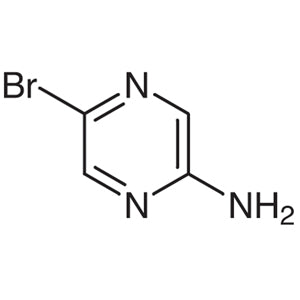
2-Amino-5-bromopyrazine TCI A1683
Regular price From Rp 1.696.800,00Regular price -
Methyl3-Amino-6-bromopyrazine-2-carboxylate TCI M2655
Regular price From Rp 769.650,00Regular price -
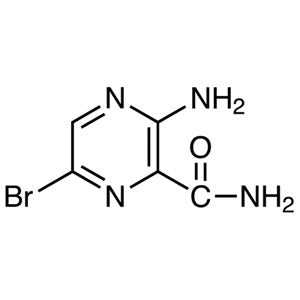
3-Amino-6-bromopyrazine-2-carboxamide TCI A2775
Regular price Rp 4.133.850,00Regular price -
4-Bromopyrazole TCI B3745
Regular price Rp 980.700,00Regular price -
3-Amino-4-bromopyrazole TCI A2688
Regular price From Rp 955.500,00Regular price