![2,4-Dichlorothieno[3,2-d]pyrimidine (CAS 16234-14-3) - TCI D4864 - AMI Scientific](http://amiscientific.com/cdn/shop/files/TCI2510D4864.jpg?v=1767108095&width=1946)
![2,4-Dichlorothieno[3,2-d]pyrimidine (CAS 16234-14-3) - TCI D4864 - AMI Scientific](http://amiscientific.com/cdn/shop/files/TCI2510D4864.jpg?v=1767108095&width=1445)
2,4-Dichlorothieno[3,2-d]pyrimidine is a chemical compound widely used in laboratory settings for the synthesis of complex heterocyclic compounds. As a building block in organic chemistry, it plays a crucial role in the development of molecules with specific biological activities, such as antitumor and antibacterial agents. Its structural complexity makes it an essential component in advanced chemical research, particularly in the design of pharmaceuticals and functional materials. This compound is highly valued for its versatility and stability in various synthetic reactions.
The compound is known for its chemical stability and ability to participate in multiple reaction types, including substitution, condensation, and electrophilic reactions. These properties make it a preferred choice for researchers aiming to create precise and functional chemical structures. Its robust molecular framework allows it to maintain integrity under a range of reaction conditions, ensuring reliable results in experimental processes. This reliability is critical in both academic and industrial research environments.
In Indonesian laboratories, 2,4-Dichlorothieno[3,2-d]pyrimidine is commonly used in organic chemistry research, especially in the synthesis of complex compounds and drug development. It is particularly relevant for institutions and companies engaged in pharmaceutical and material sciences. Its application in research that requires precise heterocyclic structures highlights its importance in advancing scientific innovation in the region.
- Organic synthesis of complex heterocyclic compounds due to its structural versatility and reactivity.
- Development of pharmaceuticals with antitumor and antibacterial properties through targeted chemical modifications.
- Research in material sciences for the creation of functional polymers and advanced chemical materials.
- Academic studies in synthetic chemistry to explore new reaction pathways and molecular designs.
- Drug discovery programs requiring precise building blocks for the synthesis of bioactive molecules.
| Brand | TCI |
|---|---|
| CAS number | 16234-14-3 |
| Molecular formula | — |
| Purity | — |
| Category | Chemistry > Building Blocks > Heterocyclic Building Blocks |
| Pack sizes | Available in standard laboratory quantities as per supplier specifications |
| Physical form | Solid, crystalline or powder depending on formulation |
| Storage | Store in a cool, dry place away from light and moisture |
This compound should be stored in a cool, dry environment, away from direct light and moisture to maintain its chemical integrity. It is recommended to use airtight containers made of glass or high-density polyethylene to prevent contamination and degradation. Due to its chemical stability, it does not require refrigeration but should be kept in a secure location to avoid exposure to incompatible substances. In laboratory settings, proper personal protective equipment, such as gloves and safety goggles, should always be worn when handling this material. Regular monitoring of storage conditions ensures the compound remains suitable for use in research applications.
—
Produk Terkait
-
7-Chlorothieno[3,2-b]pyridine TCI C3541
Regular price From Rp 1.908.900,00Regular price -
2,4,6,8-Tetrachloropyrimido[5,4-d]pyrimidine TCI T1810
Regular price From Rp 2.862.300,00Regular price -
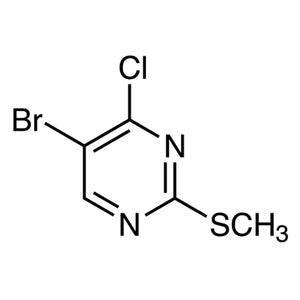
5-Bromo-4-chloro-2-(methylthio)pyrimidine TCI B4406
Regular price From Rp 955.500,00Regular price -
5-Bromo-2-(methylthio)pyrimidine-4-carboxylicAcid TCI B3829
Regular price From Rp 717.150,00Regular price -
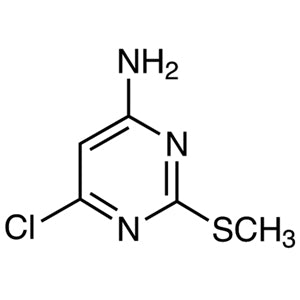
4-Amino-6-chloro-2-(methylthio)pyrimidine TCI A2848
Regular price Rp 1.724.100,00Regular price -
5-Amino-4,6-dichloro-2-(propylthio)pyrimidine TCI A2716
Regular price From Rp 637.350,00Regular price -
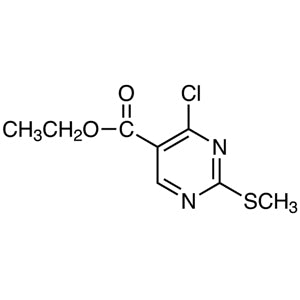
Ethyl4-Chloro-2-(methylthio)pyrimidine-5-carboxylate TCI E0841
Regular price From Rp 1.087.800,00Regular price -
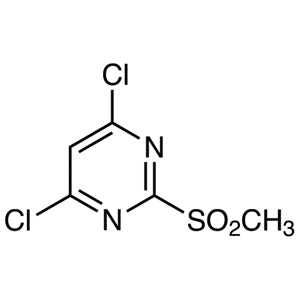
4,6-Dichloro-2-(methylsulfonyl)pyrimidine TCI D4135
Regular price From Rp 928.200,00Regular price
![7-Chlorothieno[3,2-b]pyridine (CAS 69627-03-8) - TCI C3541 - AMI Scientific](http://amiscientific.com/cdn/shop/files/TCI2510C3541.jpg?v=1767099742&width=533)
![32980-71-5 2,4,6,8-Tetrachloropyrimido[5,4-d]pyrimidine - AMI Scientific](http://amiscientific.com/cdn/shop/files/TCI2510T1810.jpg?v=1767142228&width=533)