2,7-Dibromo-9-hexylcarbazole is a chemical compound widely used in scientific research, particularly in the field of materials science. This compound plays a crucial role in the development of advanced materials, especially in semiconductor and polymer research. Its unique molecular structure makes it an essential component for synthesizing complex materials with tailored electronic and optical properties. In laboratory settings, it serves as a building block for creating new materials with specific functional characteristics, supporting innovation in both academic and industrial research.
The compound is valued for its chemical stability and reactivity with specific reagents, which allows for the synthesis of a wide range of complex compounds. Its molecular structure, featuring a long carbon chain and bromo groups, contributes to its ability to form polymers with unique electronic properties. These properties make it a preferred choice for researchers aiming to develop materials with enhanced conductivity or optical response. Its versatility in chemical reactions supports its application in various synthetic processes, making it a reliable material for advanced material development.
In Indonesian laboratories, 2,7-Dibromo-9-hexylcarbazole is commonly used in material and semiconductor research. It is particularly favored by higher education institutions and research organizations working on polymer science and electronic materials. Its role in creating materials with specific electronic properties is vital for advancing scientific knowledge and technological applications in Indonesia.
TCI brochures (PDF)
- Carbazoles 2025-06-27 · p. 4
- Building Blocks for Organic Semiconductor 2026-03-24 · p. 35
Related TCI products
- TCI B5462 1384281-49-5 9-Benzyl-2,7-dibromo-9H-carbazole
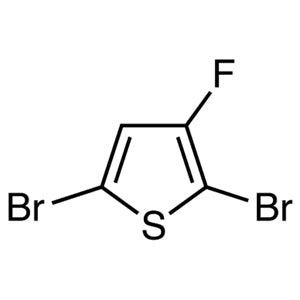
- TCI D5729 32431-85-9 2,5-Dibromo-3-fluorothiophene
- TCI D5448 132717-37-4 2,7-Dibromo-9-phenyl-9H-fluoren-9-ol
- TCI D5424 890653-54-0 3,6-Dibromo-9-(m-tolyl)-9H-carbazole
- TCI D5421 1873364-08-9 3,6-Dibromo-9-(3,5-dimethylphenyl)-9H-carbazole
- TCI D5420 1786404-06-5 3,6-Dibromo-9-(3,4-dimethylphenyl)-9H-carbazole
- Semiconductor material development, as it provides a stable base for creating semiconducting polymers with tailored electronic properties.
- Polymer synthesis research, due to its ability to form complex molecular structures with long carbon chains and bromo groups.
- Optical material studies, as its molecular structure influences optical response and conductivity in advanced materials.
- Electronic device fabrication, where its unique chemical properties support the creation of conductive and optoelectronic materials.
- Chemical synthesis experiments, owing to its reactivity with various reagents and stability in different reaction conditions.
| Brand | TCI |
|---|---|
| CAS number | 654676-12-7 |
| Molecular formula | — |
| Purity | — |
| Category | Materials Science > Material Building Blocks > Polymer/Macromolecule Semiconductor Building Blocks |
| Pack sizes | 12 g |
| Physical form | Solid |
| Storage | Store in a cool, dry place away from light and moisture |
This compound should be stored in a cool, dry environment, away from direct light and moisture to maintain its chemical stability. It is recommended to use airtight containers made of glass or high-density polyethylene to prevent contamination and degradation. Due to its bromo groups, it may react with certain reagents, so it should be handled with care in a well-ventilated laboratory setting. Always wear appropriate personal protective equipment, including gloves and safety goggles, when handling this material. Proper storage and handling are essential to ensure the compound remains effective for research applications and to prevent any potential hazards in the laboratory.
—
Produk Terkait
-
9-Benzyl-2,7-dibromo-9H-carbazole TCI B5462
Regular price From Rp 2.862.300,00Regular price -
2,5-Dibromo-3-fluorothiophene TCI D5729
Regular price From Rp 3.896.550,00Regular price -
2,7-Dibromo-9-phenyl-9H-fluoren-9-ol TCI D5448
Regular price From Rp 1.749.300,00Regular price -
3,6-Dibromo-9-(m-tolyl)-9H-carbazole TCI D5424
Regular price Rp 2.466.450,00Regular price -
3,6-Dibromo-9-(3,5-dimethylphenyl)-9H-carbazole TCI D5421
Regular price From Rp 1.060.500,00Regular price -
3,6-Dibromo-9-(3,4-dimethylphenyl)-9H-carbazole TCI D5420
Regular price Rp 3.525.900,00Regular price -
3,6-Dibromo-9-(2,4-dimethylphenyl)-9H-carbazole TCI D5419
Regular price Rp 4.056.150,00Regular price -
3,6-Dibromo-9-hexyl-9H-carbazole TCI D5410
Regular price From Rp 1.035.300,00Regular price